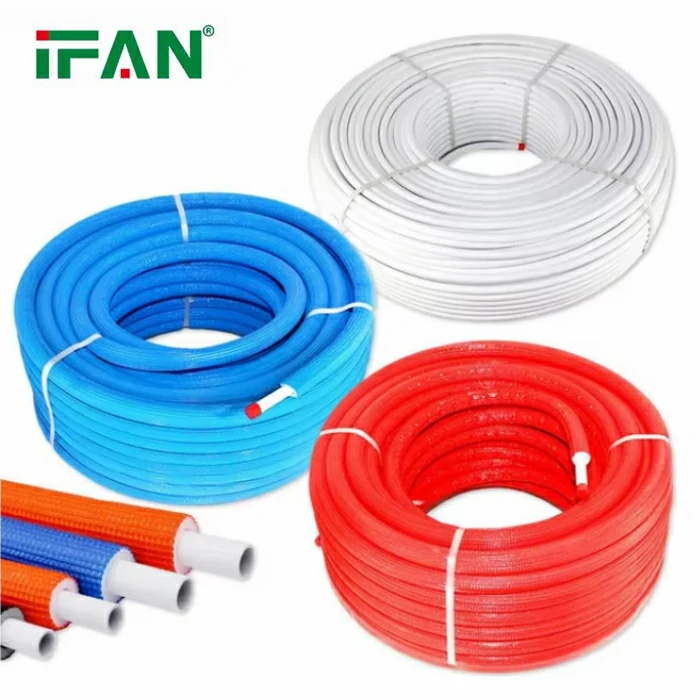
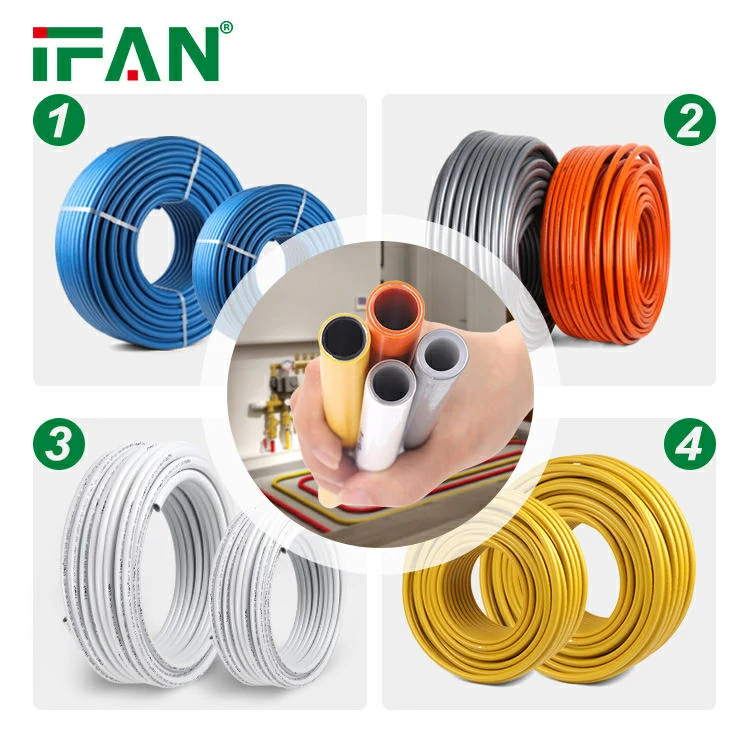
IFAN factory 30+ years manufacture experience support color /size customization support free sample.Welcome to consult for catalog and free samples.This is our Facebook Website:www.facebook.com,Click to watch IFAN’s product video.Compared with Tomex products, our IFAN products from quality to price are your best choice, welcome to buy!
Introduction
PPR (Polypropylene Random Copolymer) fittings encompass a variety of types, each designed to fulfill specific functions in plumbing systems. Understanding the characteristics and applications of different PPR fittings is crucial for selecting the right components for diverse plumbing projects. This article provides a comprehensive overview of the types and unique features of PPR fittings, ensuring clarity and completeness in describing their roles in modern plumbing infrastructure.
1. Socket Fusion Fittings
Socket fusion fittings are integral components in PPR plumbing systems, characterized by their socket-like ends that allow pipes to be joined securely through heat fusion. These fittings ensure a strong, leak-resistant connection suitable for both hot and cold water applications. Their simplicity in installation and ability to maintain structural integrity under pressure make socket fusion fittings ideal for residential, commercial, and industrial plumbing projects.
2. Electrofusion Fittings
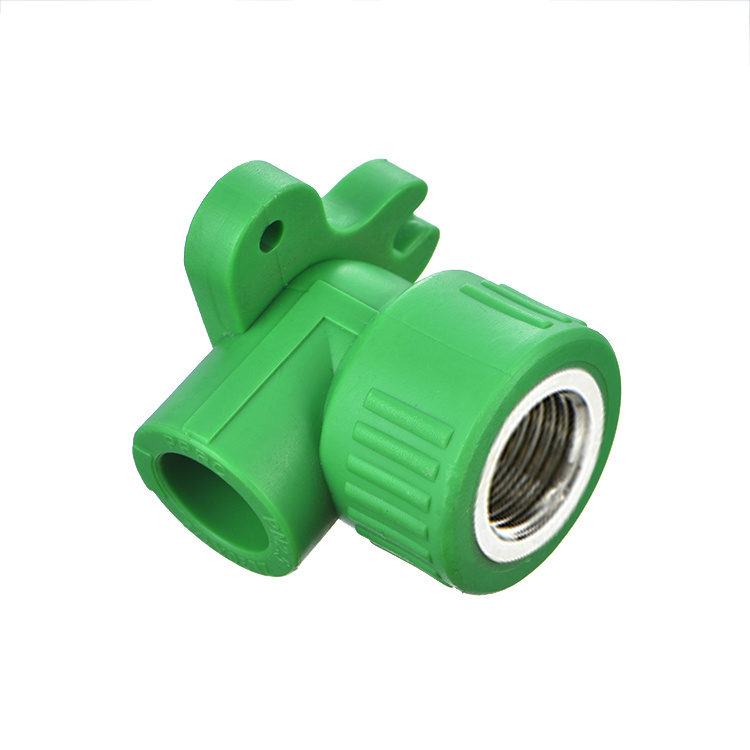
Electrofusion fittings utilize electrical currents to bond PPR pipes and fittings together, creating a robust joint without the need for additional welding materials. This method ensures uniformity and strength in the fusion process, suitable for high-pressure applications such as heating systems and industrial pipelines. Electrofusion fittings offer enhanced reliability and durability, making them indispensable in complex plumbing installations requiring precise, secure connections.
3. Threaded Fittings
Threaded PPR fittings feature external threads that facilitate easy installation into corresponding threaded pipes or adapters. These fittings provide flexibility in plumbing configurations, allowing for quick assembly and disassembly without compromising sealing integrity. Threaded fittings are commonly used in plumbing systems requiring periodic maintenance or adjustments, offering convenience and versatility in residential and commercial settings.
4. Compression Fittings
Compression fittings are designed with a nut and a compression ring (olive) to create a watertight seal by compressing the pipe against the fitting body. This mechanism allows for straightforward installation without the need for heat fusion or welding equipment, making compression fittings suitable for temporary or accessible plumbing connections. Their versatility and ease of use make compression fittings ideal for repairs, renovations, and temporary installations in various plumbing applications.
5. Transition Fittings
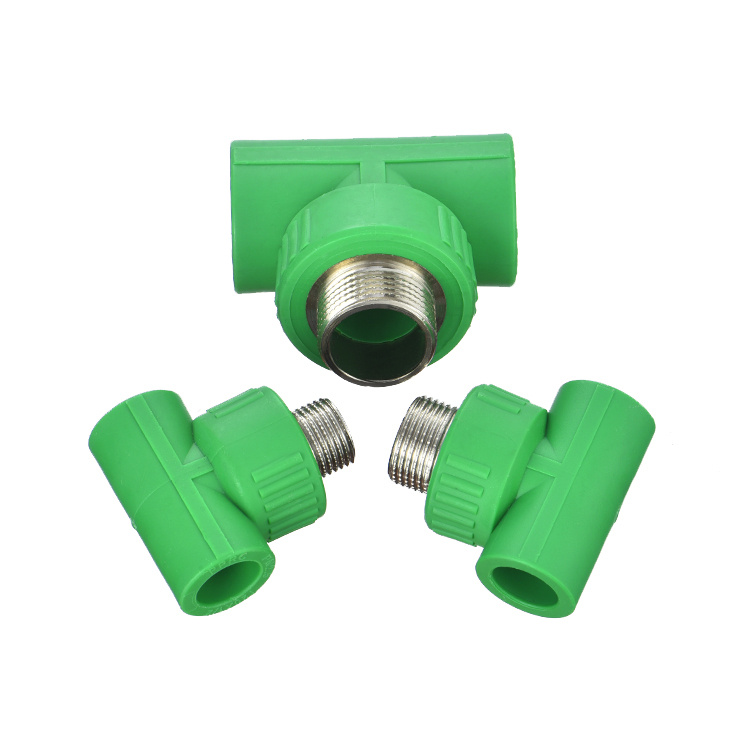
Transition fittings serve as connectors between PPR pipes and pipes made from other materials such as metal or PVC. They feature compatible ends for different pipe types, ensuring seamless integration and reliable performance in hybrid plumbing systems. Transition fittings accommodate diverse installation requirements, enabling the transition between different piping materials while maintaining structural integrity and leak-free operation.
Conclusion
In conclusion, PPR fittings encompass a diverse range of types, each offering unique characteristics tailored to specific plumbing applications. From socket fusion and electrofusion fittings for secure, heat-bonded joints to threaded and compression fittings for flexible assembly and transition fittings for seamless integration with other pipe materials, PPR fittings cater to various plumbing needs with efficiency and reliability. Understanding the distinct features and applications of different PPR fittings empowers plumbing professionals and stakeholders to optimize system design, installation, and maintenance, ensuring durable, efficient, and sustainable plumbing solutions in residential, commercial, and industrial environments.