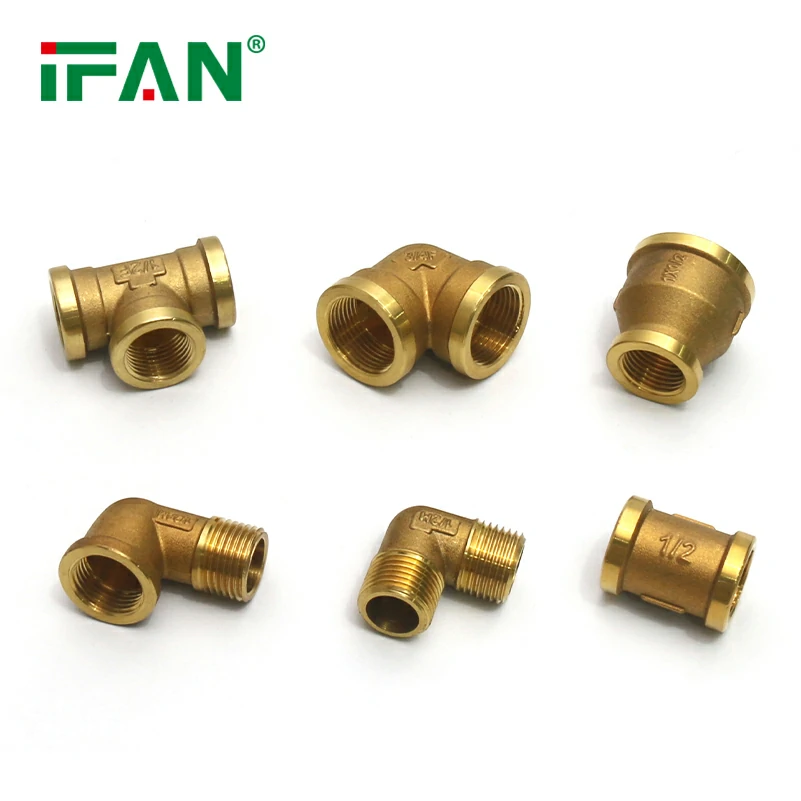
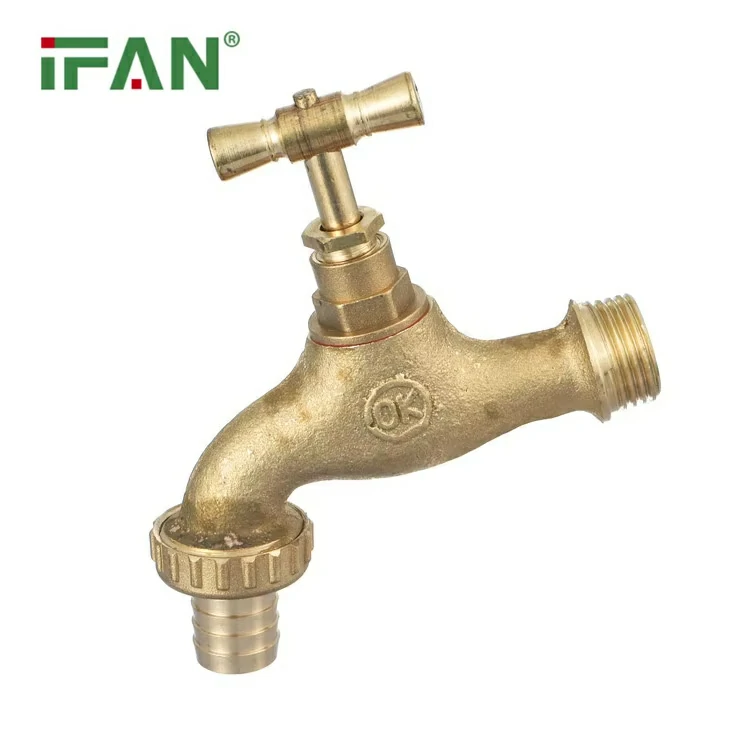
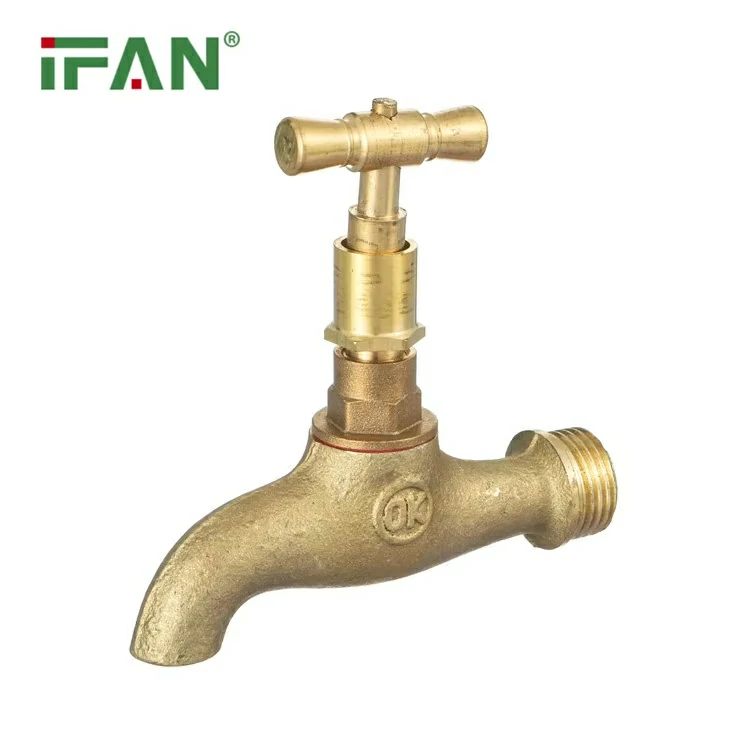
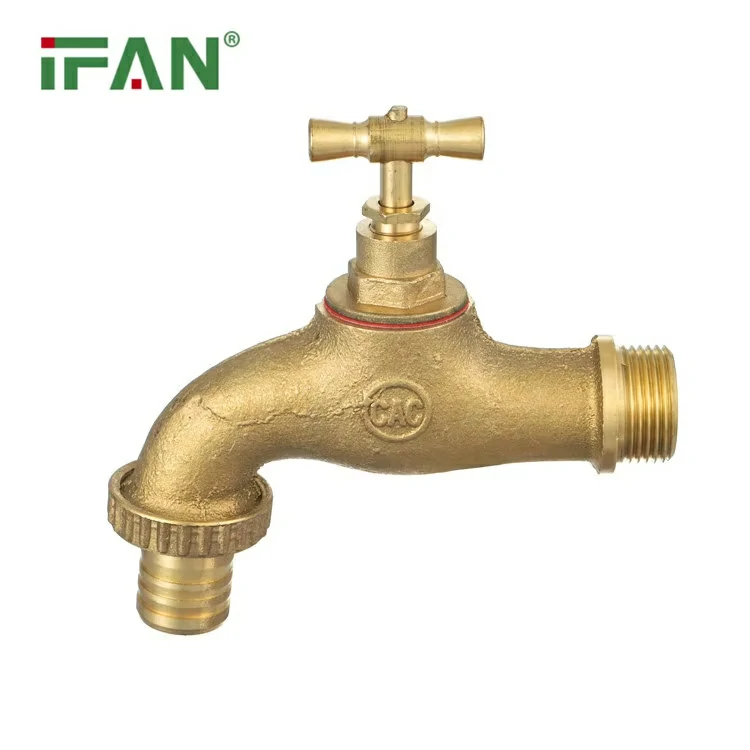
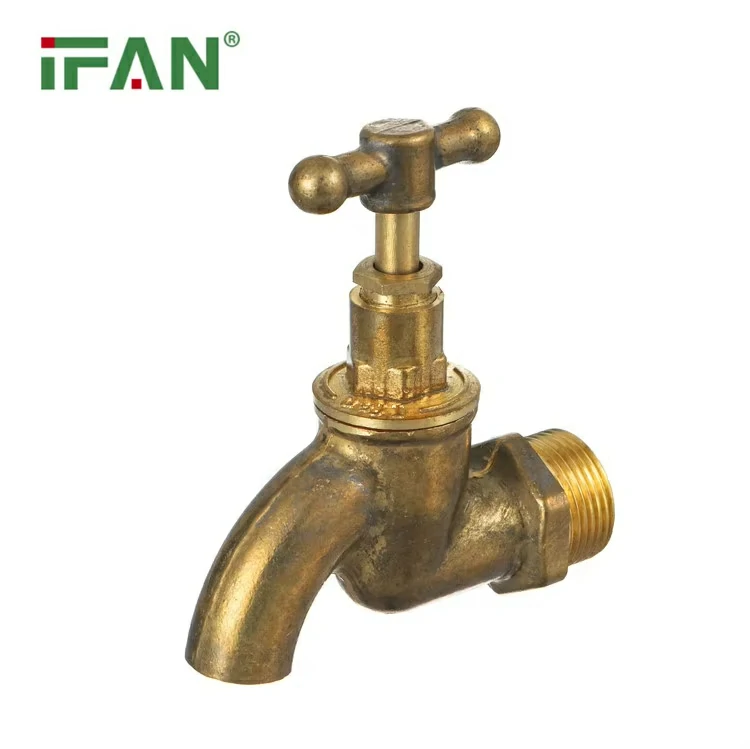
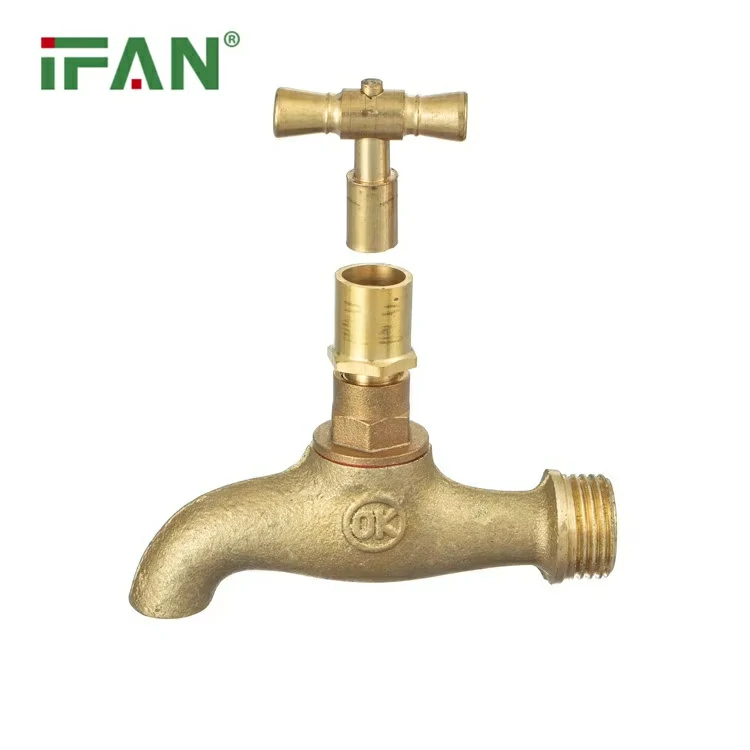
Introduction to Brass Fittings: A Timeless Solution for Industrial Needs
Brass fittings have been a staple in industrial pipeline systems for centuries, renowned for their durability, corrosion resistance, and versatility. Made from an alloy of copper and zinc, brass fittings offer a combination of properties that make them ideal for a wide range of industrial applications.
Corrosion Resistance for Harsh Environments
One of the key advantages of brass fittings is their exceptional corrosion resistance. In industrial settings, pipelines are often exposed to moisture, chemicals, and other corrosive elements that can quickly degrade lesser materials. Brass, however, forms a protective oxide layer that resists corrosion, ensuring the integrity of the pipeline system over time. This feature is particularly valuable in industries such as marine, mining, and petrochemicals, where exposure to harsh environments is common.
Strength and Durability for High-Pressure Applications
Brass fittings are also known for their strength and durability, allowing them to withstand high pressures without failure. This makes them an ideal choice for industrial pipelines carrying fluids under significant pressure, such as steam, compressed air, and certain chemicals. The durability of brass fittings ensures reliable performance even in the most demanding conditions.
Easy to Install and Maintain
Another advantage of brass fittings is their ease of installation and maintenance. They are available in a variety of sizes, shapes, and configurations, making it easy to find the perfect fitting for any industrial pipeline system. Additionally, brass fittings can be easily threaded, soldered, or welded into place, simplifying the installation process. Maintenance is also straightforward, as brass is relatively easy to clean and repair if necessary.
Aesthetic Appeal for Visible Piping Systems
While not always a primary consideration in industrial applications, the aesthetic appeal of brass fittings is worth mentioning. Brass has a warm, golden hue that adds a touch of elegance to any piping system. In industries where visible piping is part of the design, such as hotels, restaurants, and some manufacturing facilities, brass fittings can enhance the overall aesthetic of the space.
Cost-Effective and Sustainable
Finally, brass fittings offer a cost-effective and sustainable solution for industrial pipeline systems. While the initial investment may be higher than some alternative materials, the long-term savings in maintenance and replacement costs can be significant. Brass is also a highly recyclable material, reducing waste and minimizing the environmental impact of pipeline replacements.
In conclusion, brass fittings are a versatile and reliable choice for industrial pipeline systems. Their corrosion resistance, strength, durability, ease of installation and maintenance, aesthetic appeal, and cost-effectiveness make them an ideal solution for a wide range of industrial applications. As the industrial sector continues to evolve, brass fittings will remain a trusted component of safe, efficient, and sustainable fluid transfer systems.