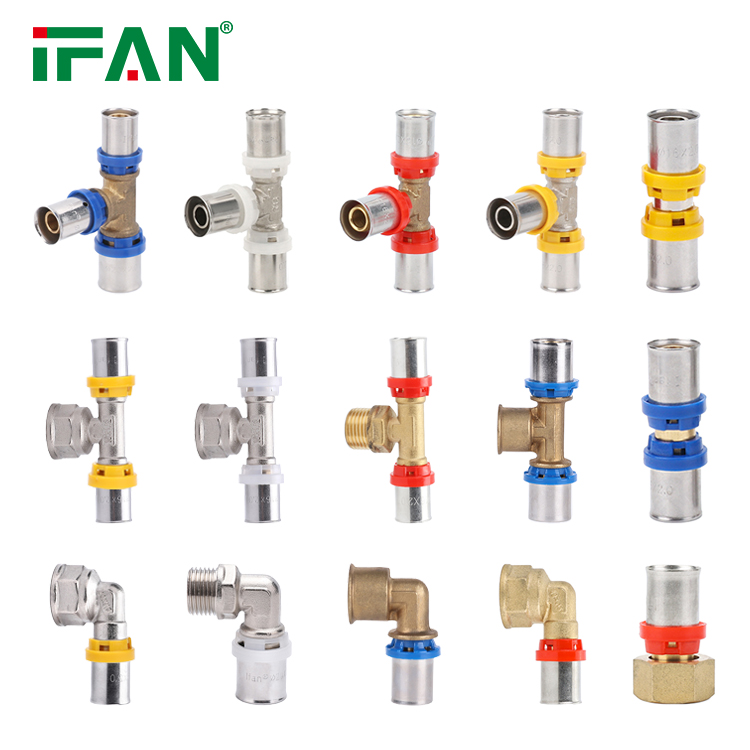
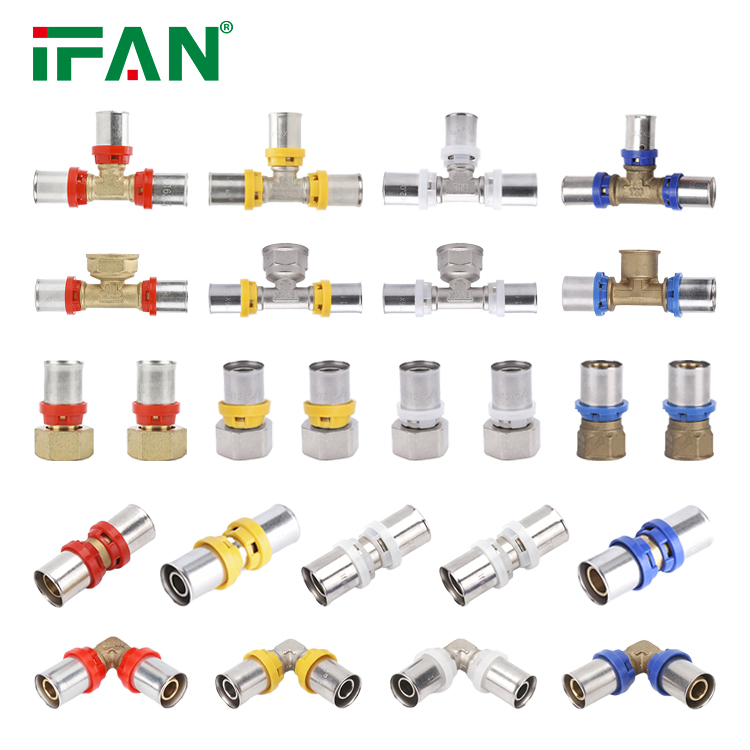
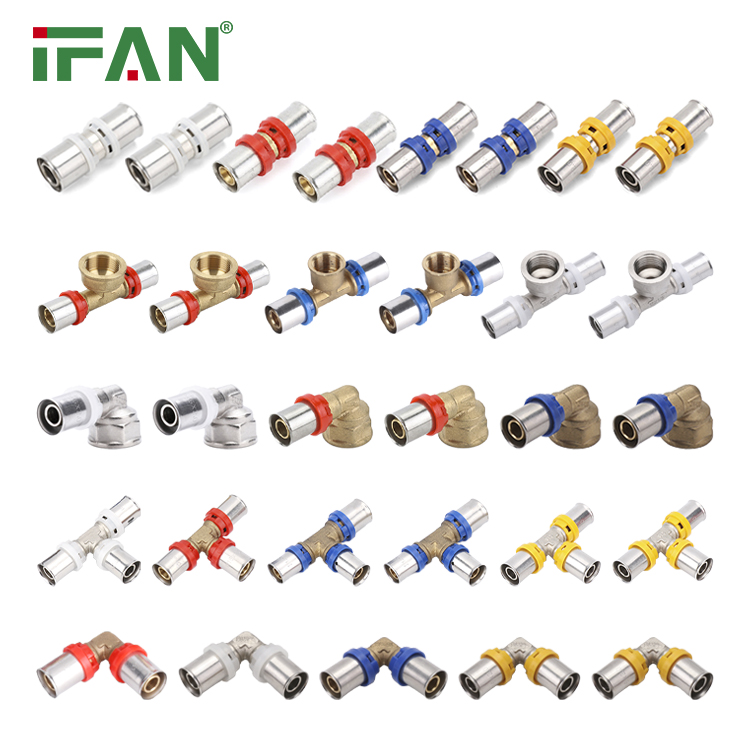
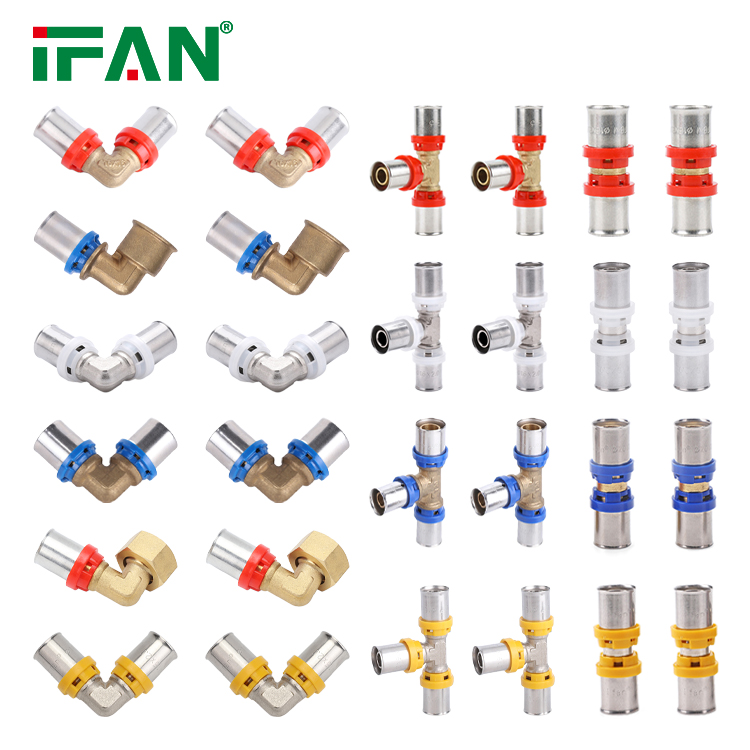
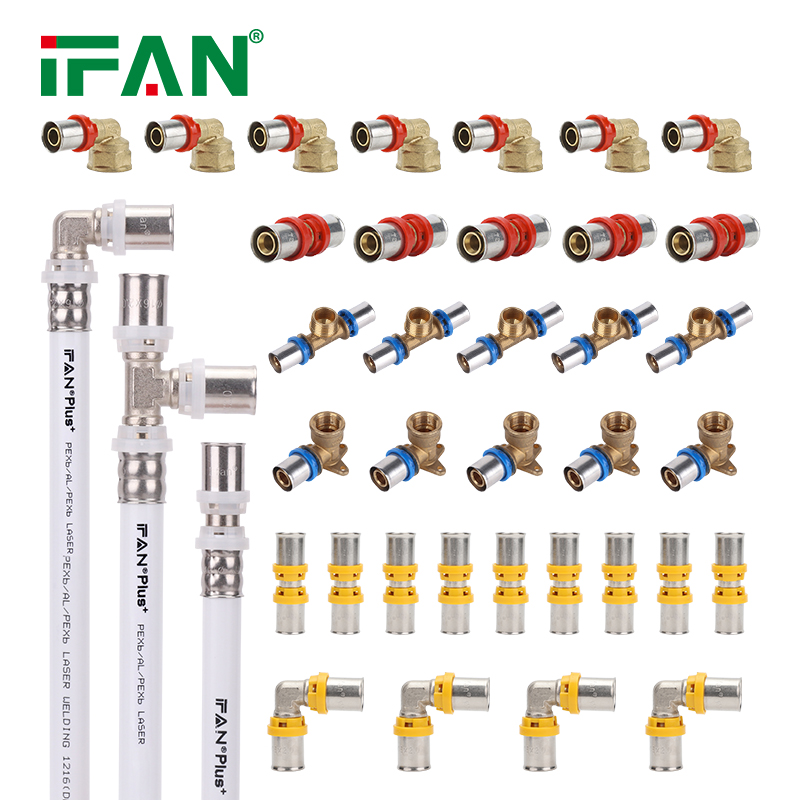
IFAN factory 30+ years manufacture experience support color /size customization support free sample.Welcome to consult for catalog and free samples.This is our Facebook Website:www.facebook.com,Click to watch IFAN’s product video.Compared with Tomex products, our IFAN products from quality to price are your best choice, welcome to buy!
Introduction to Safety Standards for Pex Compression Fittings
Pex compression fittings play a crucial role in plumbing systems, ensuring secure connections and reliable performance. To meet regulatory requirements and ensure consumer safety, these fittings undergo rigorous testing and certification processes. This article explores the key safety standards and certifications applicable to Pex compression fittings, highlighting their importance in maintaining quality and reliability in plumbing installations.
ASTM Standards for Material Quality
The American Society for Testing and Materials (ASTM) sets the standards for Pex tubing and fittings used in plumbing applications. ASTM F877 specifically addresses Pex tubing standards, ensuring materials are suitable for potable water distribution and comply with dimensional and performance requirements. For compression fittings, ASTM F2080 establishes the standard specification for metal insert fittings utilizing a copper crimp ring for SDR9 Pex tubing. These standards ensure that Pex compression fittings are manufactured from materials that meet strict quality control measures, ensuring durability and resistance to corrosion over their service life.
NSF Certification for Drinking Water Safety
The National Sanitation Foundation (NSF) International certification is crucial for verifying the safety and performance of Pex compression fittings in contact with potable water. Fittings that bear the NSF mark have undergone rigorous testing to ensure they do not leach harmful contaminants into drinking water and comply with NSF/ANSI standards 14 and 61. NSF certification provides consumers and regulators with confidence that Pex compression fittings meet stringent health and safety criteria, making them suitable for use in residential, commercial, and institutional plumbing systems.
Compliance with Building Codes and Regulations
Pex compression fittings must comply with local building codes and regulations governing plumbing installations. These codes vary by jurisdiction but typically mandate adherence to standards such as the International Plumbing Code (IPC) or Uniform Plumbing Code (UPC) in the United States. Compliance ensures that Pex compression fittings are installed correctly and meet safety requirements related to pressure, temperature, and environmental conditions. Manufacturers and installers must stay informed about code updates and revisions to ensure installations are both safe and legally compliant.
European Standards (EN) for Quality Assurance
In Europe, Pex compression fittings must conform to European Norm (EN) standards to ensure compatibility with regional plumbing systems and regulatory requirements. EN ISO 15875 specifies requirements for Pex piping systems intended for hot and cold water installations, including fittings designed for mechanical jointing methods such as compression fittings. Compliance with EN standards guarantees that Pex compression fittings meet performance criteria related to pressure resistance, mechanical strength, and dimensional stability, essential for ensuring long-term reliability in European plumbing applications.
Manufacturer’s Quality Control and Warranty
Beyond regulatory standards and certifications, reputable manufacturers implement stringent quality control measures to ensure the reliability and durability of Pex compression fittings. Quality control processes encompass material testing, dimensional inspections, and performance evaluations to verify compliance with internal quality standards and regulatory requirements. Additionally, manufacturers often provide warranties that cover defects in materials and workmanship, offering reassurance to consumers and installers regarding the longevity and performance of Pex compression fittings in various plumbing applications.
Conclusion
In conclusion, safety standards and certifications play a pivotal role in the design, manufacturing, and installation of Pex compression fittings. Compliance with ASTM, NSF, EN, and local building codes ensures that these fittings meet stringent quality and safety criteria, making them suitable for use in potable water systems worldwide. By adhering to these standards, manufacturers uphold the integrity of their products while providing assurance to consumers and regulatory authorities regarding the safety, reliability, and long-term performance of Pex compression fittings in plumbing installations. As plumbing technology continues to advance, adherence to safety standards remains essential in supporting sustainable and efficient water distribution systems globally.