
IFAN factory 30+ years manufacture experience support color /size customization support free sample.Welcome to consult for catalog and free samples.This is our Facebook Website:www.facebook.com,Click to watch IFAN’s product video.Compared with Tomex products, our IFAN products from quality to price are your best choice, welcome to buy!
Introduction to PEX Compression Fittings
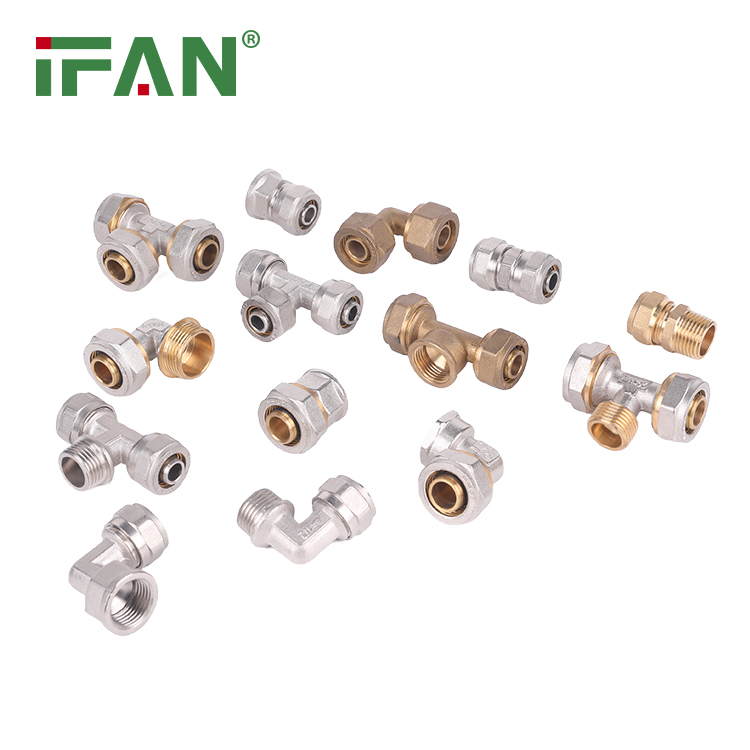
PEX (cross-linked polyethylene) compression fittings have gained popularity in modern plumbing due to their ease of use, flexibility, and durability. Unlike traditional fittings, PEX compression fittings provide a simple, reliable connection that minimizes the risk of leaks. This article will compare PEX compression fittings with other common joint types, such as soldered joints, threaded fittings, and push-fit connections, highlighting their respective advantages and disadvantages.
Advantages of PEX Compression Fittings
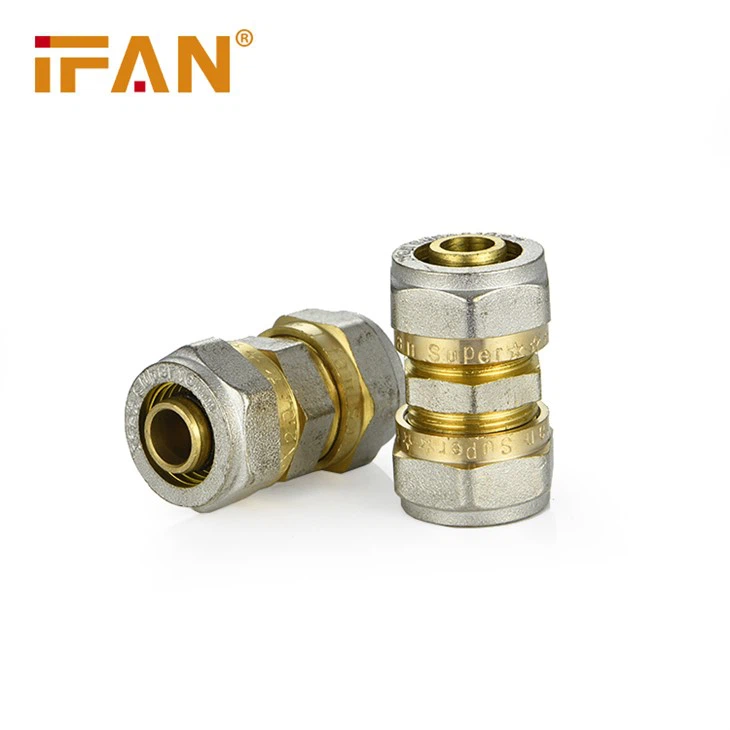
PEX compression fittings offer several notable advantages. First and foremost, they are easy to install. Unlike soldered joints, which require heat and skill, PEX compression fittings can be assembled quickly using basic tools, making them ideal for DIY projects and professional installations alike. Additionally, they are resistant to corrosion and scale buildup, ensuring a longer lifespan for plumbing systems. PEX is also flexible, allowing for easier navigation around obstacles in tight spaces. These features make PEX compression fittings a convenient choice for both new constructions and retrofitting existing systems.
Soldered Joints: Strength and Longevity
Soldered joints, typically made from copper, have long been the standard in plumbing due to their strength and durability. When properly installed, soldered connections create robust, leak-proof joints that can withstand high temperatures and pressures. However, soldering requires specialized skills and tools, making it less accessible for DIY enthusiasts. Additionally, the process generates heat that can damage surrounding materials, and the copper itself is susceptible to corrosion over time. While soldered joints have their merits, they lack the flexibility and ease of installation that PEX compression fittings provide.
Threaded Fittings: Versatility and Adjustment
Threaded fittings are another common option, often used in metal piping systems. They provide versatility, allowing for easy disassembly and adjustments. Threaded joints can accommodate different types of pipes and fittings, making them suitable for a variety of applications. However, the potential for leaks exists if the threads are not properly sealed with Teflon tape or pipe dope. Furthermore, threaded fittings can be cumbersome to work with, particularly in tight spaces, and may require more maintenance over time compared to PEX compression fittings, which inherently reduce the likelihood of leaks.
Push-Fit Connections: Convenience and Speed
Push-fit connections represent a newer innovation in plumbing that simplifies installation further. Like PEX compression fittings, push-fit connections do not require specialized tools or extensive training. Users can quickly insert the pipe into the fitting for a secure connection. This method is especially advantageous in situations where time is of the essence. However, push-fit fittings may not be as robust as PEX compression fittings in high-pressure situations. Additionally, while they offer convenience, some professionals express concerns about the long-term reliability of push-fit systems, especially in high-demand applications.
Conclusion: Choosing the Right Fitting for Your Needs
In summary, PEX compression fittings present a compelling alternative to traditional joint types such as soldered joints, threaded fittings, and push-fit connections. Each type of fitting has its own strengths and weaknesses, making the choice highly dependent on the specific application and user preferences. PEX compression fittings excel in ease of installation, flexibility, and resistance to corrosion, making them ideal for both novice and experienced plumbers. On the other hand, soldered joints offer unmatched strength, threaded fittings provide versatility, and push-fit connections prioritize speed. Ultimately, understanding the advantages and limitations of each fitting type will help professionals and homeowners alike make informed decisions that best suit their plumbing needs.


