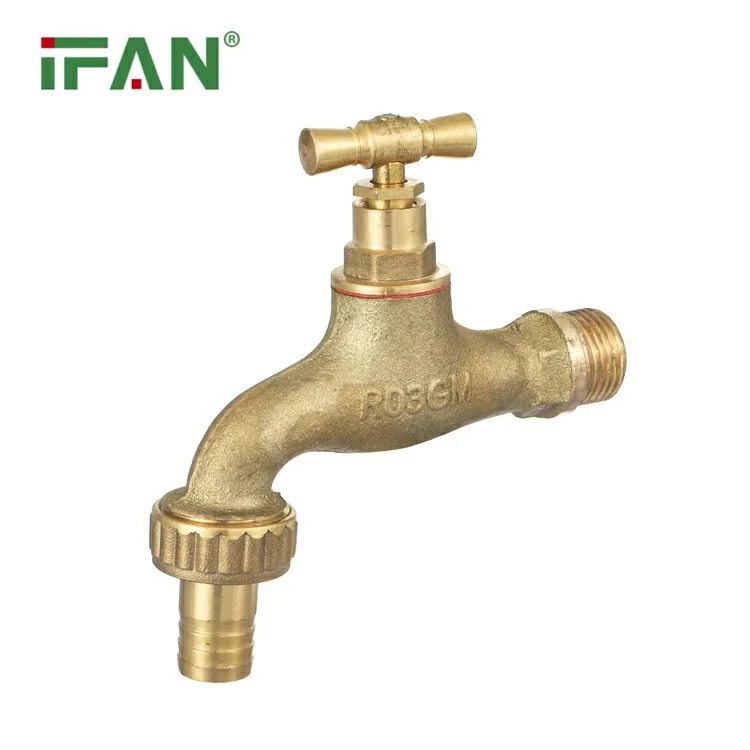
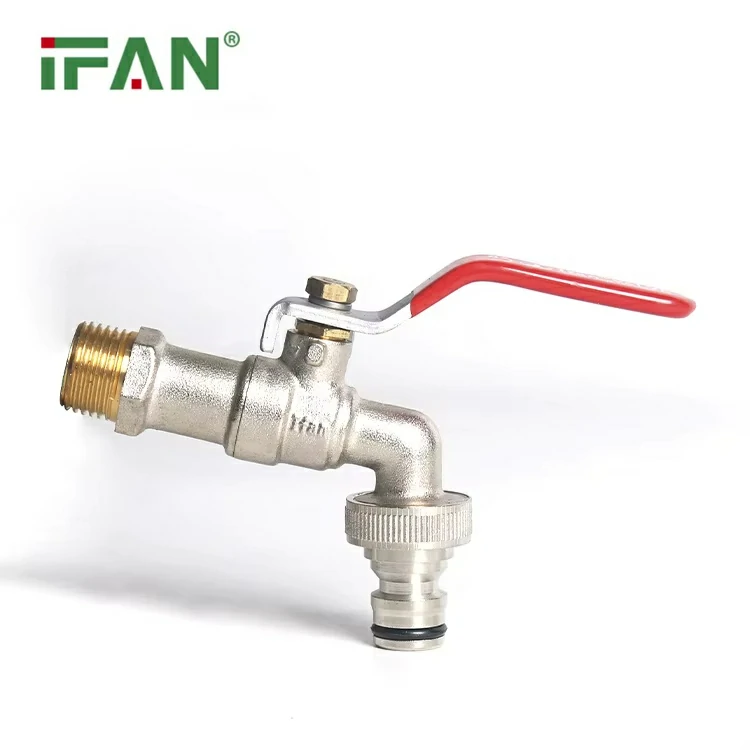
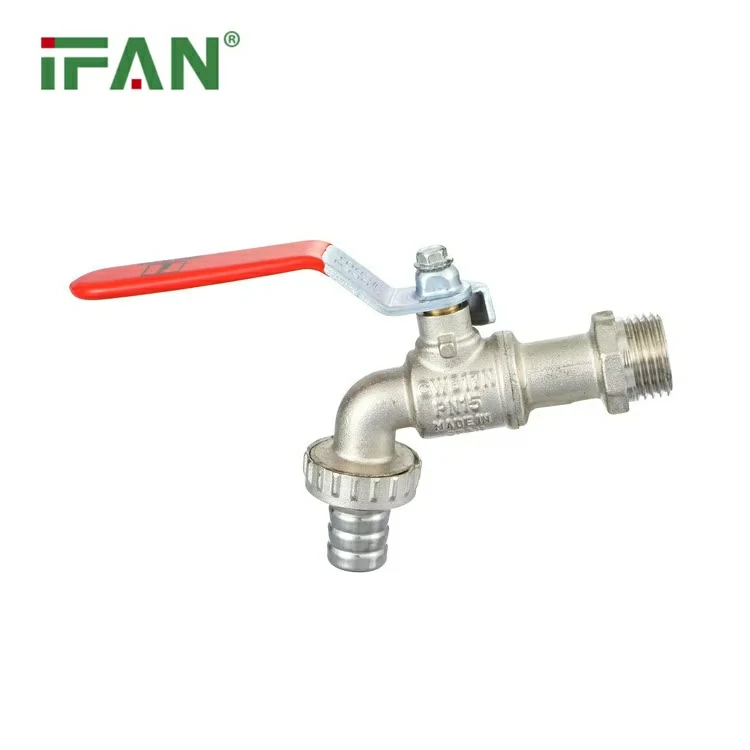
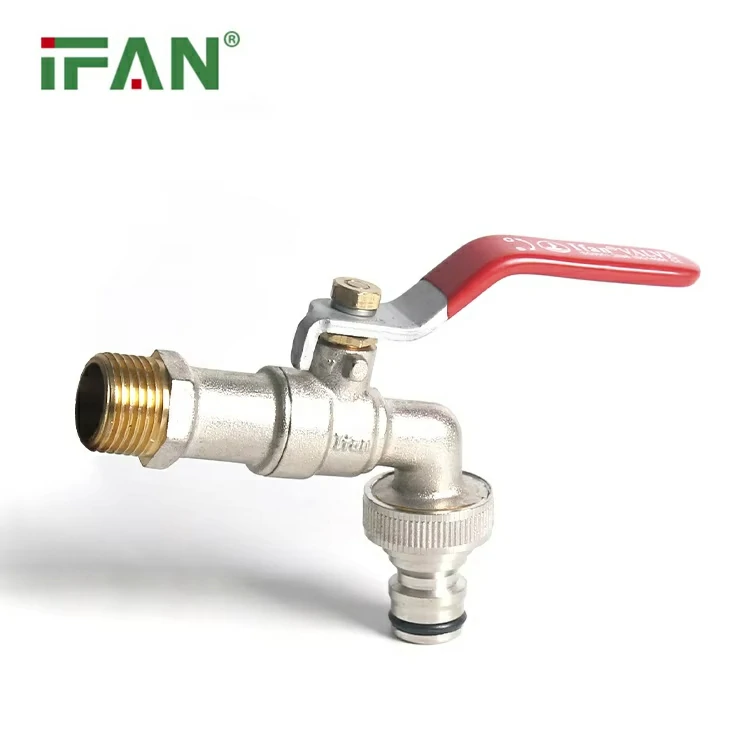
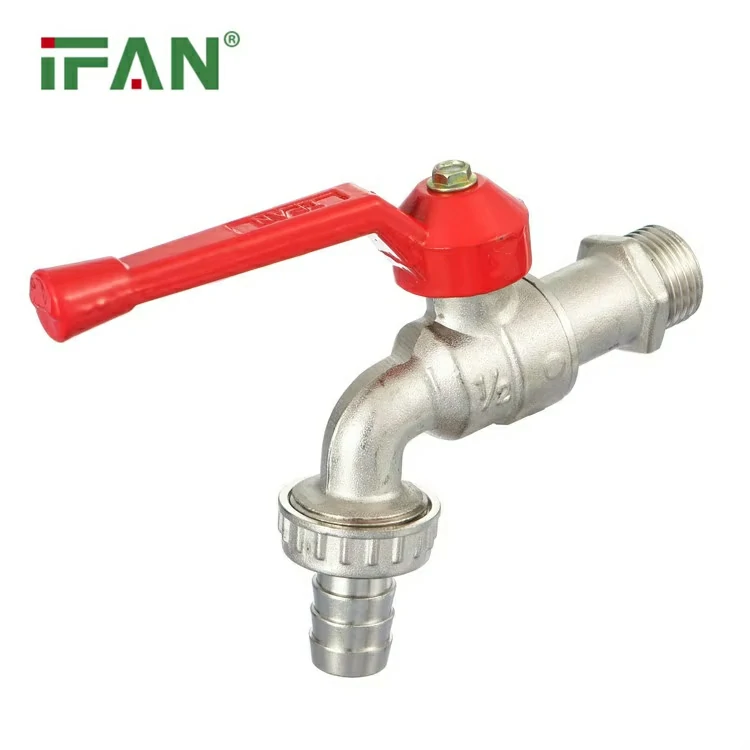
A reliable water supply connection is essential for every washing machine installation. Choosing the right valve helps control water flow and makes routine maintenance easier. A brass bibcock for washing machine water supply is a practical option for residential buildings, apartments, laundries, and other facilities.
Brass bibcocks are widely used in plumbing systems because of their strength and corrosion resistance. They provide a simple way to open or shut off the water supply when needed. For plumbers, wholesalers, and building contractors, selecting a suitable bibcock can improve installation efficiency and long-term serviceability.
This article explains how brass bibcocks work, what features matter, and how to choose the right product for washing machine connections.
What Is a Brass Bibcock for a Washing Machine?
A brass bibcock is a manually operated water tap with a shut-off mechanism. It is commonly installed at a water outlet to control the supply to an appliance or hose.
For washing machine installations, the bibcock connects the plumbing line to the machine’s inlet hose. Users can turn the handle to stop or restore the water supply. This function is useful when cleaning, replacing hoses, or servicing the appliance.
Brass is a popular material for these valves. It offers good mechanical strength and can withstand the demands of everyday plumbing use. The exact performance depends on the brass grade, valve design, seals, and manufacturing quality.
A properly selected washing machine bibcock should match the connection size, working pressure, and water conditions of the installation.
Why Choose a Brass Bibcock for Washing Machine Water Supply?
Material selection affects both valve durability and maintenance requirements. Brass offers several practical advantages for washing machine water connections.
Durable Brass Construction
Brass provides a solid structure for plumbing valves. It can withstand normal operating pressures when manufactured to the correct specifications.
This strength makes brass bibcocks suitable for many household water supply systems. A well-made valve can provide dependable service under normal operating conditions.
Corrosion Resistance
Water valves remain in contact with moisture throughout their service life. Brass generally offers good resistance to corrosion in common plumbing applications.
However, water chemistry can affect material performance. Buyers should select a suitable brass alloy for the intended water supply and applicable regulations.
Convenient Water Control
A separate shut-off valve allows users to isolate the washing machine without closing the main water supply. This makes maintenance more convenient.
It also helps plumbers work on the appliance connection. The valve should remain accessible after installation for easy operation.
Practical Installation
Brass bibcocks are available in different sizes and connection configurations. This gives installers more flexibility when working with different plumbing layouts.
Before purchasing, contractors should confirm that the valve matches the existing pipework and washing machine hose.
Key Features of a Washing Machine Brass Bibcock
Not all brass bibcocks have the same specifications. Buyers should evaluate several important features before making a purchase.
Connection Size and Thread Type
Connection compatibility is one of the first factors to check. A valve with the wrong thread size may not fit the supply pipe or inlet hose.
Common plumbing connections vary by market and installation standard. Buyers should verify the nominal size, thread standard, and outlet configuration.
Avoid forcing incompatible threads together. Incorrect connections can damage the fitting and cause water leakage.
Working Pressure
A washing machine valve must withstand the water pressure expected in the installation. The rated working pressure should meet the system’s requirements.
Contractors should review the manufacturer’s technical data before specifying a product. Pressure ratings should not be assumed from the valve’s appearance alone.
Handle Design
The handle should be easy to operate in the available installation space. A comfortable grip helps users open and close the valve when necessary.
The handle material and finish also influence its appearance and durability. For laundry rooms and utility areas, practical operation is usually more important than decorative styling.
Sealing Performance
Effective sealing is essential for preventing leaks. The valve body, internal sealing components, and hose connection must all work correctly.
Manufacturing precision plays an important role in sealing performance. Product testing and quality control can help identify defects before valves reach the market.
Brass Bibcock vs. Plastic Washing Machine Valves
Brass and plastic valves are both used in plumbing systems. Their suitability depends on the installation conditions, product design, and expected service requirements.
Brass valves generally provide greater mechanical strength than many standard plastic alternatives. They can be a useful choice where a robust metal connection is preferred.
Plastic valves may offer advantages in weight and material cost. However, their pressure and temperature limits vary by material and design.
Price alone should not determine the final decision. Buyers should compare pressure ratings, connection compatibility, material quality, durability, and applicable standards.
For commercial projects or wholesale purchasing, consistency across large orders is also important. A reliable specification helps contractors maintain uniform installation quality.
How to Install a Brass Bibcock for a Washing Machine
Correct installation helps prevent leaks and unnecessary maintenance. The process should follow the valve manufacturer’s instructions and local plumbing requirements.
First, shut off the water supply before working on the connection. Check the existing pipe outlet and confirm that the selected bibcock has compatible threads.
Next, prepare the connection using the sealing method specified for the fitting. Do not overtighten the valve, as excessive force can damage threads or connected components.
Attach the washing machine inlet hose according to the hose manufacturer’s instructions. Ensure that the connection is secure and that the hose is not twisted or sharply bent.
After installation, restore the water supply gradually. Inspect the valve body, pipe connection, and hose connection for leaks.
Finally, operate the valve to confirm smooth movement and reliable shut-off. The valve should remain accessible for future inspection and maintenance.
Common Problems with Washing Machine Bibcocks
Even a good valve can develop problems over time. Regular inspection helps identify issues before they cause water damage.
Water leakage: Leaks may result from worn seals, damaged threads, loose connections, or a defective valve. Identify the source before attempting repairs.
Stiff handle operation: Mineral deposits, wear, or internal damage can make the handle difficult to turn. Avoid applying excessive force.
Poor water flow: A partially closed valve, blocked hose, or supply problem may reduce flow. Check the complete connection rather than assuming the valve is defective.
Failure to shut off: Internal wear or damaged sealing surfaces may prevent complete closure. Replace the valve when it cannot reliably isolate the water supply.
For older installations, replacing a worn bibcock may be more practical than repeatedly repairing it. Always isolate the water supply before carrying out maintenance.
How to Choose a Reliable Brass Bibcock Manufacturer
For plumbing distributors, importers, and contractors, choosing the right supplier matters as much as selecting the product.
Start by checking the manufacturer’s material specifications and available product sizes. Confirm whether the company can provide the required thread types, finishes, and packaging options.
Quality control should also be considered. Consistent dimensions, reliable sealing, and appropriate pressure testing help reduce problems during installation.
For wholesale orders, production capacity and delivery arrangements can affect project schedules. Clear communication is particularly important when buyers need customized products or repeat orders.
Requesting product samples can help buyers inspect the finish, handle operation, and connection quality before placing a larger order.
IFAN Brass Bibcock Solutions for Plumbing Buyers
For plumbing wholesalers, distributors, and contractors, IFAN offers plumbing products designed for a range of water supply applications.
The company supplies pipes, fittings, valves, and related plumbing components for residential and commercial projects. Buyers can discuss product specifications, connection requirements, and purchasing needs with the IFAN team.
When sourcing a brass bibcock for washing machine water supply, it is important to confirm the brass material, thread configuration, working pressure, and sealing requirements before ordering.
IFAN can help buyers explore suitable product options and discuss customization requirements where available. Contact IFAN to request product details, factory pricing, and samples for evaluation.
Conclusion
A brass bibcock for washing machine water supply provides convenient water control for residential and commercial plumbing installations. Its mechanical strength, corrosion resistance, and practical shut-off function make it a useful option for appliance connections.
The best choice depends on connection size, thread compatibility, working pressure, sealing performance, and material quality. Proper installation and regular inspection also help reduce leakage risks.
For contractors and wholesale buyers, working with a dependable manufacturer can simplify product selection and procurement. By comparing specifications and checking product quality, buyers can choose a brass bibcock that meets their project requirements. IFAN provides plumbing product solutions for buyers seeking suitable valves, fittings, and other water supply components.