Introduction
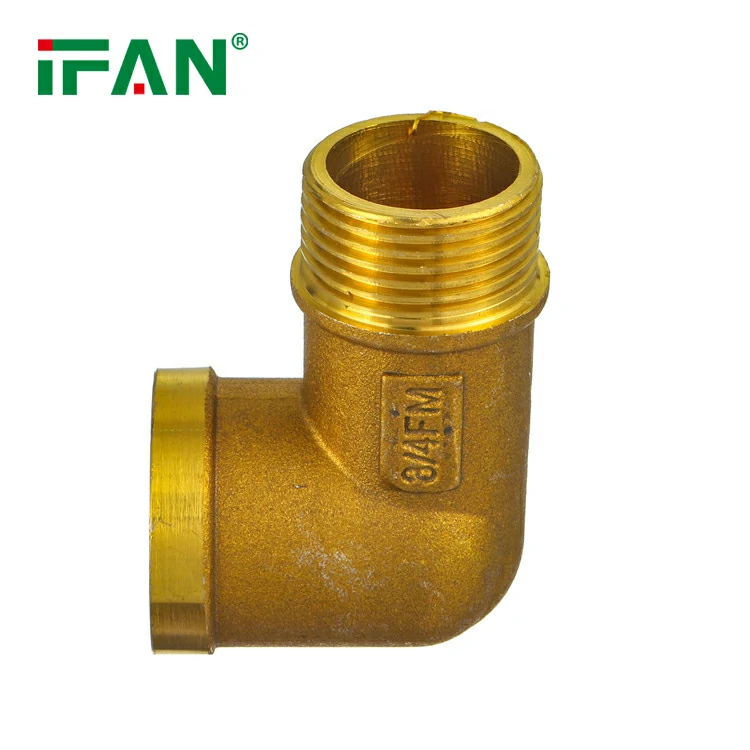
Brass fitting elbows are indispensable components in industrial pipeline systems, facilitating the redirection of fluids within complex networks. Their robust construction, corrosion resistance, and versatility make them a staple in a wide range of industries, ensuring smooth and efficient fluid flow. This article explores the various aspects of brass fitting elbows, highlighting their applications, design features, advantages, and significance in industrial settings.
Design Characteristics and Functionality
Brass fitting elbows are designed to smoothly change the direction of flow in pipeline systems. They come in various angles, the most common being 45° and 90°, allowing for precise control over fluid trajectories. The brass material used in their construction is known for its strength, durability, and resistance to corrosion, ensuring that the elbows maintain their integrity even under demanding conditions. The smooth interior surfaces of brass fitting elbows minimize turbulence and pressure drops, promoting efficient fluid flow.
Applications Across Industries
Brass fitting elbows find extensive application across various industries where pipeline systems are crucial. In the oil and gas industry, they are used to redirect oil, gas, and other hydrocarbons through complex pipeline networks. The chemicals sector relies on brass fitting elbows to handle corrosive fluids safely and efficiently. Power generation plants employ them in steam and cooling water lines, while water treatment facilities utilize them in the distribution and filtration systems. Additionally, the food and beverage industry trusts brass fitting elbows for their hygiene and compatibility with sanitary piping standards.
Advantages and Benefits
The use of brass fitting elbows in industrial pipeline systems offers several advantages and benefits. Firstly, their corrosion resistance ensures long-term durability and reduced maintenance costs. Secondly, the smooth interior surfaces minimize turbulence and pressure drops, improving the overall efficiency of fluid flow. Furthermore, brass fitting elbows are easy to install and replace, reducing downtime during maintenance or modifications. They are also cost-effective, offering a practical solution for a wide range of industrial applications. Lastly, the versatility of brass fitting elbows, available in different sizes, angles, and threading standards, ensures compatibility with various piping systems.