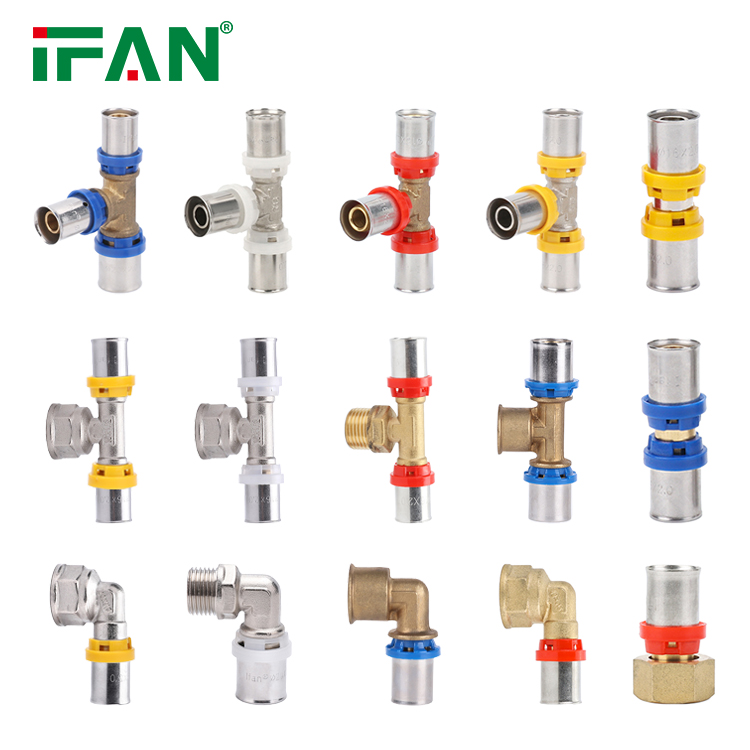
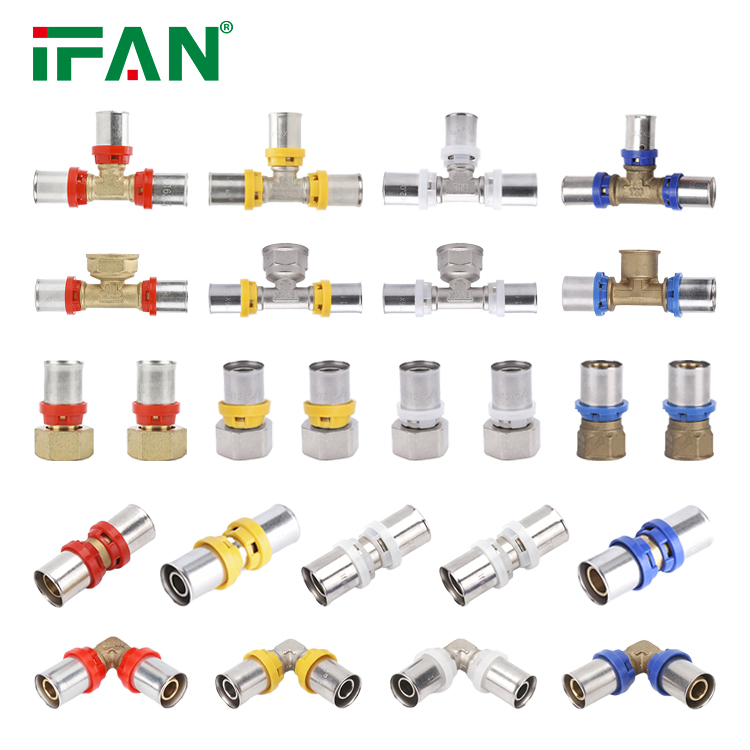
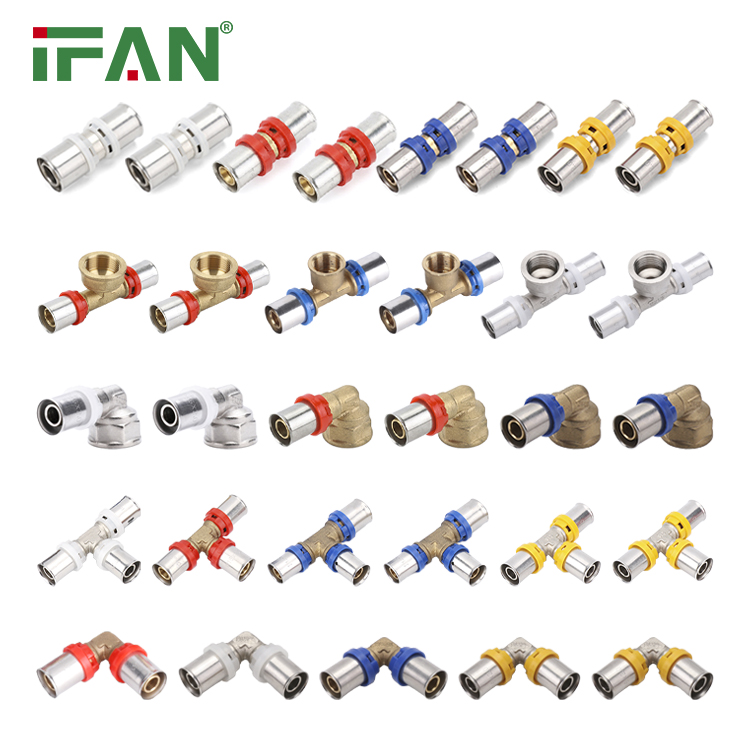
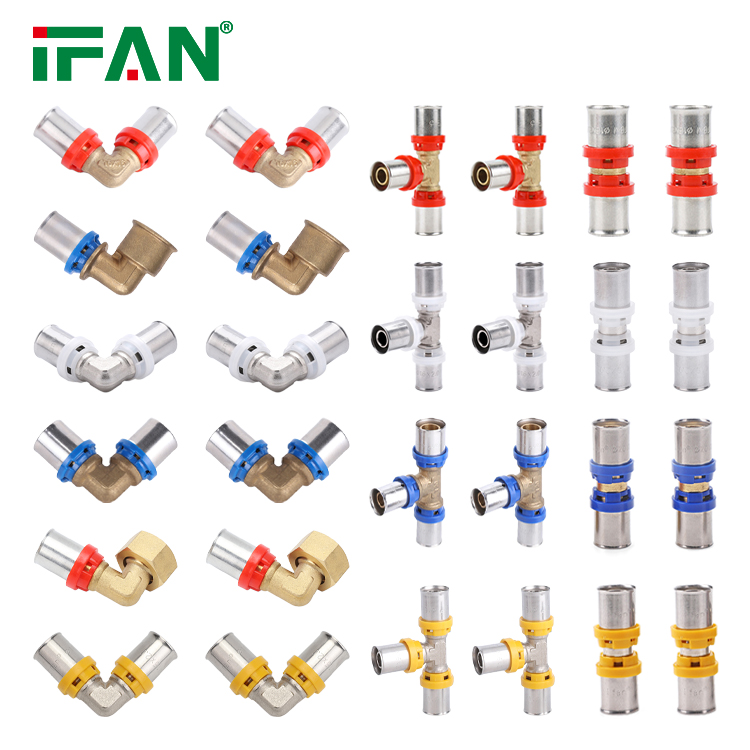
Brass fittings are essential components in plumbing and various industrial applications, known for their durability, corrosion resistance, and ability to withstand high pressures. Among the various types of brass, α-brass is widely used due to its favorable mechanical properties and ease of fabrication. This article will explore the relationship between zinc content in α-brass and its lattice parameter, shedding light on how these factors influence the performance of brass fittings.
Understanding Brass and Its Composition
1. What is Brass?
Brass is an alloy primarily composed of copper and zinc, and it can also contain small amounts of other metals such as lead, tin, or aluminum. The properties of brass can vary significantly depending on the ratio of copper to zinc, leading to different classifications of brass, including α-brass and β-brass.
2. What is α-Brass?
α-Brass is a type of brass that contains up to 36% zinc. It is characterized by its face-centered cubic (FCC) crystal structure, which contributes to its excellent malleability and ductility. The most common forms of α-brass include alloys like C26000 (Cartridge Brass) and C28000 (Muntz Metal).
The Role of Zinc in Brass Fittings
1. Importance of Zinc Content
Zinc plays a crucial role in determining the mechanical and physical properties of brass fittings. As the zinc content increases, the properties of the alloy change, which can affect the performance of brass fittings in various applications.
2. Effects of Zinc on Mechanical Properties
Increasing zinc content in α-brass generally leads to the following effects:
- Strength: Higher zinc content typically increases the tensile strength and hardness of the brass alloy. This is essential for applications where resistance to deformation and wear is critical.
- Ductility: While increased zinc content can enhance strength, it may also reduce ductility. This trade-off must be carefully considered when designing brass fittings for specific applications.
Lattice Parameter and Its Significance
1. What is Lattice Parameter?
The lattice parameter refers to the physical dimension of unit cells in a crystal lattice. In the case of α-brass, the lattice parameter is influenced by the alloying elements, primarily zinc. The lattice parameter is crucial because it affects the material’s mechanical properties, such as strength, ductility, and thermal expansion.
2. Relationship Between Zinc Content and Lattice Parameter
As the zinc content in α-brass increases, the lattice parameter also changes. This relationship can be explained through several key points:
- Atomic Size: Zinc atoms are larger than copper atoms. When zinc is added to copper, it occupies the interstitial sites in the crystal lattice, leading to an increase in the lattice parameter.
- Crystal Structure: The face-centered cubic structure of α-brass allows for a relatively uniform distribution of alloying elements. As zinc is introduced, it expands the lattice, which can affect the material’s overall properties.
3. Measuring Lattice Parameter
The lattice parameter of α-brass can be measured using techniques such as X-ray diffraction (XRD). This method provides precise measurements of the spacing between atomic planes, allowing researchers to determine how variations in zinc content influence the lattice structure.
Implications for Brass Fittings
1. Design Considerations
When designing brass fittings, engineers must consider the zinc content and its impact on the lattice parameter. The choice of alloy composition can greatly influence the performance characteristics of the finished product.
- Strength Requirements: For applications requiring high strength, a higher zinc content may be beneficial. However, this must be balanced against the potential loss of ductility.
- Corrosion Resistance: The corrosion resistance of brass fittings can also be affected by zinc content. Higher zinc levels may improve resistance to certain types of corrosion, but may also lead to dezincification, where zinc is leached from the alloy, compromising its integrity.
2. Performance in Real-World Applications
Brass fittings are used in a wide range of applications, including plumbing, automotive, and electrical systems. Understanding the relationship between zinc content and lattice parameter allows manufacturers to optimize their products for specific environments and requirements.
- Plumbing Applications: In plumbing, brass fittings must withstand high pressures and resist corrosion from water and other fluids. Selecting the right zinc content can enhance the durability and reliability of these fittings.
- Automotive Components: In automotive applications, brass fittings are often exposed to harsh conditions, including temperature fluctuations and exposure to chemicals. The right alloy composition can improve performance and longevity.
Future Directions in Brass Fitting Research
1. Advanced Alloys
As technology advances, researchers are exploring new brass alloys with tailored properties. By manipulating the zinc content and other alloying elements, manufacturers can create brass fittings with enhanced performance characteristics.
2. Sustainable Practices
The push for sustainability in manufacturing is leading to the development of eco-friendly