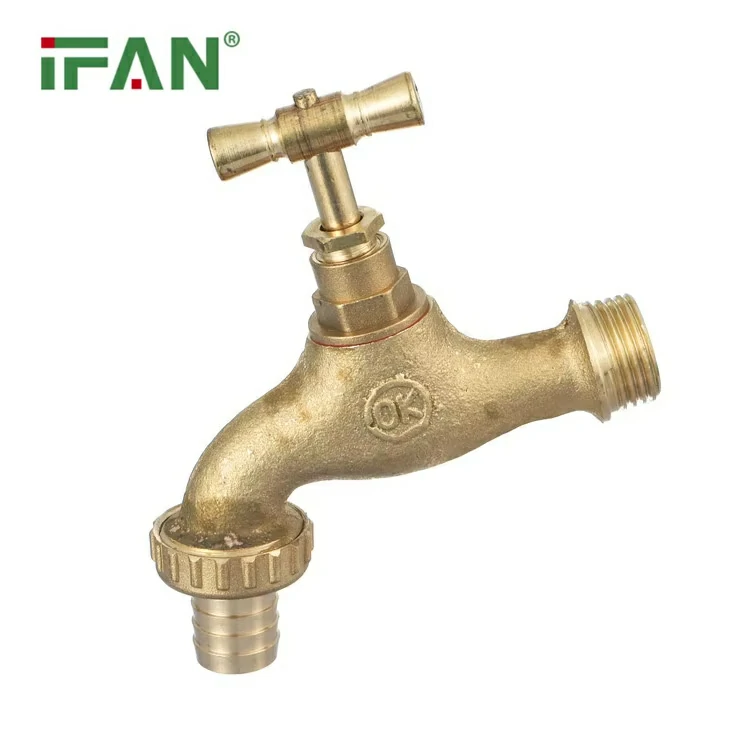
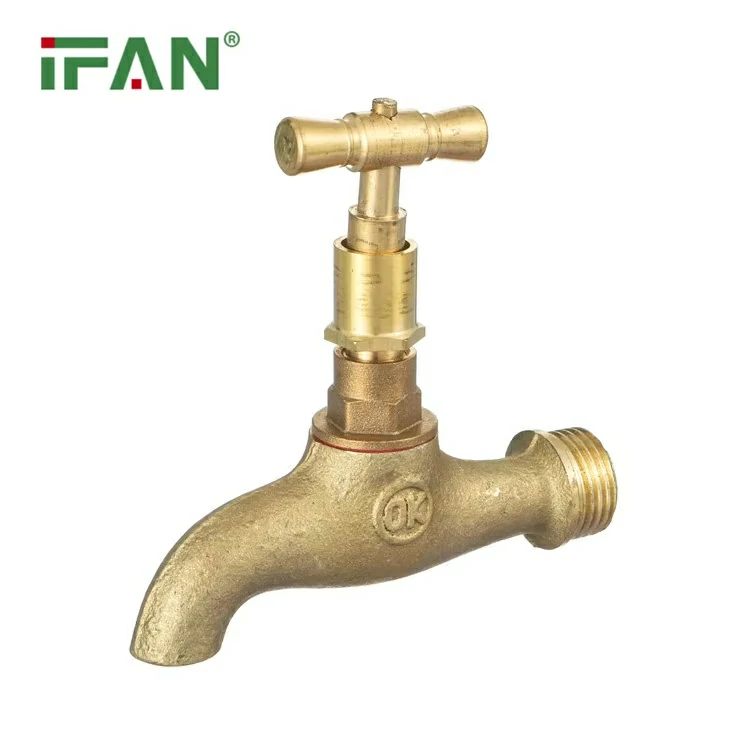
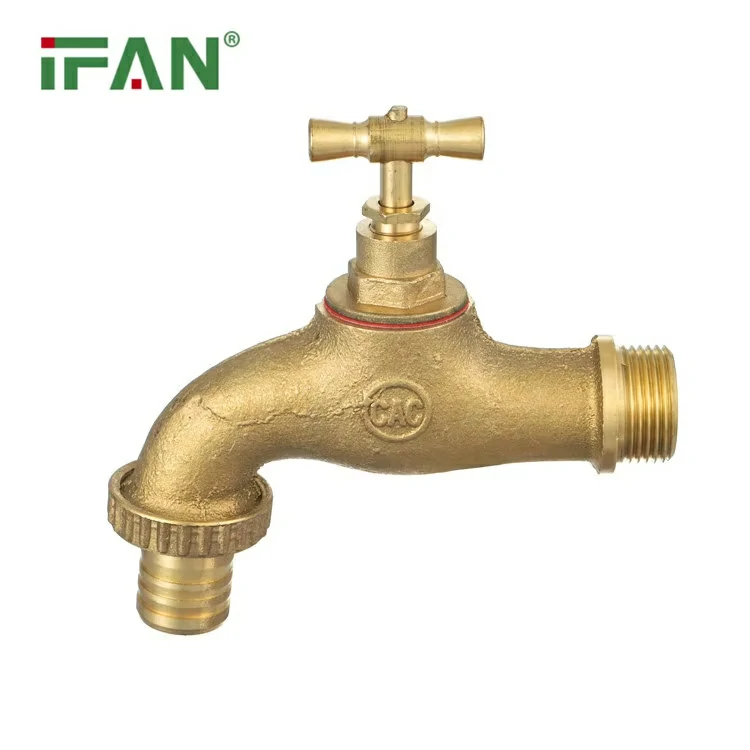
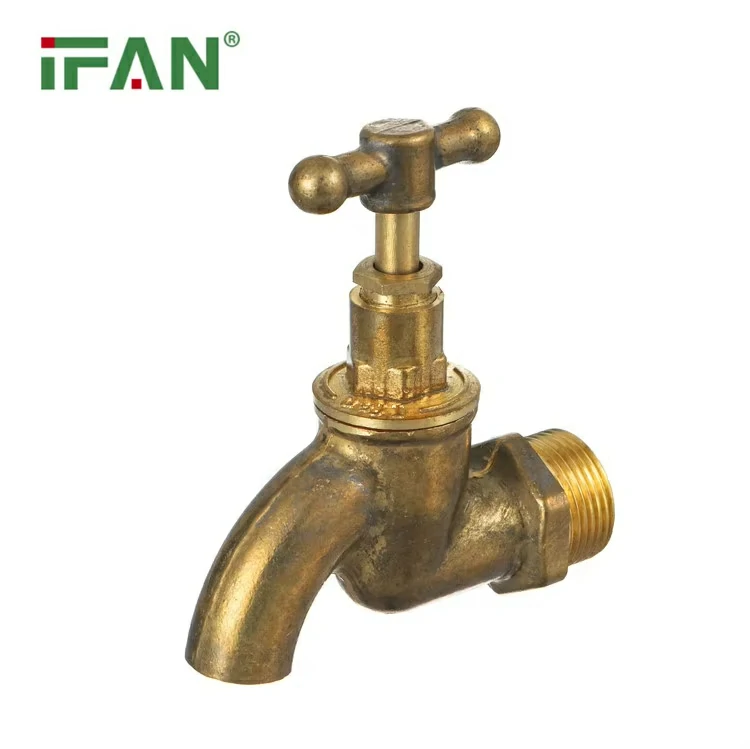
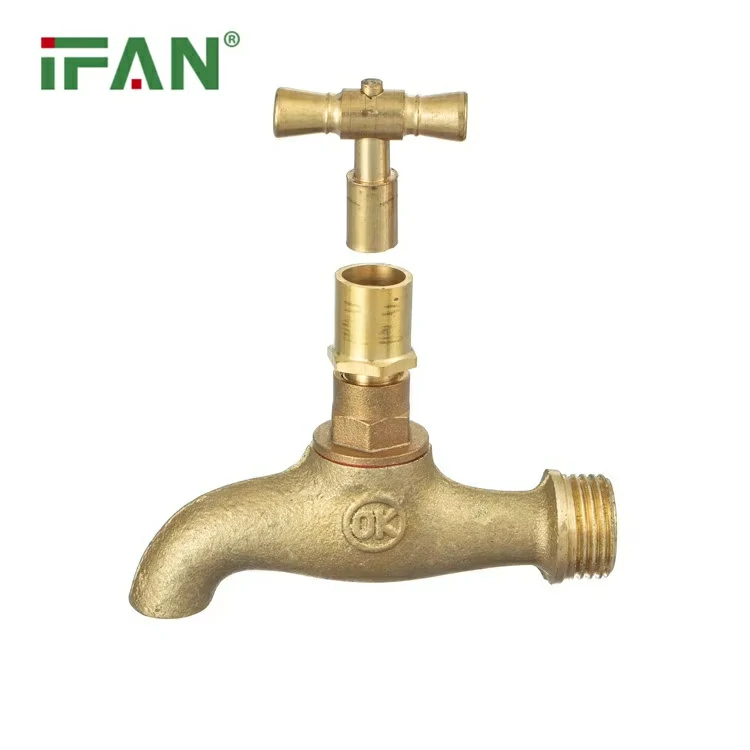
A reliable outdoor water supply is essential for residential, commercial, and industrial buildings. From garden irrigation to exterior cleaning, an outdoor faucet provides convenient access to water. A brass sillcock for exterior walls is a practical plumbing component designed for these everyday applications.
Brass sillcocks are valued for their strength, corrosion resistance, and dependable performance. They are commonly installed on exterior walls to provide a convenient water outlet. For plumbing contractors, wholesalers, and building material distributors, choosing the right sillcock is important for long-term system reliability.
This guide explains how brass sillcocks work, their main advantages, common applications, and the factors to consider when selecting a suitable product.
What Is a Brass Sillcock?
A brass sillcock is an outdoor water faucet installed through an exterior wall or another suitable building surface. It connects to the building’s water supply and allows users to control the flow of water.
The valve body is typically made from brass. This material offers good mechanical strength and resistance to corrosion in many plumbing environments. The handle controls the opening and closing of the valve.
Depending on the design, a brass sillcock may feature a threaded inlet, a hose connection, or other connection options. These features make it suitable for different plumbing installations.
Some products use a short-body design for straightforward wall installations. Others feature an extended stem to position the operating handle farther from the inlet. The appropriate design depends on the wall structure and installation requirements.
Why Choose Brass Sillcocks for Exterior Walls?
Outdoor plumbing fixtures face different conditions from indoor faucets. They may be exposed to rain, sunlight, temperature changes, and frequent use.
Brass sillcocks offer several advantages for these environments.
Corrosion Resistance
Brass generally provides good resistance to corrosion in ordinary water supply applications. This property helps maintain the integrity of the valve body during regular use.
However, performance depends on the brass composition, water chemistry, and manufacturing quality. Suitable material selection remains important for demanding environments.
Mechanical Strength
Outdoor faucets may experience repeated handle operation and occasional physical contact. A well-manufactured brass valve provides the strength needed for everyday operation.
The quality of the valve body and internal components also affects service life. Buyers should review product specifications before making a purchasing decision.
Reliable Water Control
A brass sillcock allows users to control water flow through a simple operating mechanism. It can support everyday tasks such as watering plants, washing equipment, and cleaning outdoor surfaces.
The internal sealing components are particularly important. Good sealing performance helps reduce leakage when the valve is closed.
Practical Maintenance
Many conventional brass sillcocks have a relatively simple structure. This can make routine inspection and certain repairs easier.
Maintenance requirements vary by model. Replacement washers, seals, or other components should match the manufacturer’s recommendations.
Common Applications of Exterior Brass Sillcocks
Brass sillcocks are used in many types of buildings. Their versatility makes them a useful option for residential and commercial plumbing systems.
Residential Outdoor Water Supply
Homeowners often install outdoor faucets near gardens, driveways, patios, and garages. These outlets provide convenient water access for daily household activities.
A properly selected brass sillcock can connect to a garden hose or another compatible outlet accessory. The installation location should allow easy operation and access for maintenance.
Commercial Buildings
Commercial properties often need outdoor water connections for cleaning and general maintenance. Offices, retail buildings, restaurants, and apartment complexes may all benefit from exterior water outlets.
For property managers, durable plumbing components can help reduce maintenance interruptions. Selecting a suitable valve also helps ensure compatibility with the existing water supply system.
Landscaping and Irrigation
Gardeners and landscaping contractors require convenient access to water across outdoor areas. A brass sillcock can provide a connection point for hoses and compatible watering equipment.
For irrigation applications, the valve size and water supply capacity should match the expected flow requirements. Additional backflow protection may also be necessary under local plumbing regulations.
Industrial and Service Areas
Factories, workshops, and maintenance facilities may use exterior faucets for equipment cleaning and general site operations. In these settings, operating conditions should guide product selection.
Buyers should consider water pressure, expected usage frequency, environmental exposure, and connection requirements before choosing a sillcock.
How to Choose the Right Brass Sillcock
Selecting the correct brass sillcock involves more than comparing prices. Professional buyers should evaluate several technical and commercial factors.
Check the Connection Size
The inlet connection must match the existing plumbing system. Common configurations include threaded connections in different nominal sizes.
The outlet should also match the intended hose or accessory connection. Checking both ends before ordering can help prevent installation delays.
Consider Wall Thickness
Exterior walls vary in thickness and construction. The sillcock’s body length and inlet arrangement must suit the available installation space.
A standard sillcock may work for some wall assemblies. Other projects may require a longer design or a different installation method.
Review Pressure and Temperature Ratings
Every plumbing valve has defined operating limits. The selected sillcock should meet the water pressure and temperature requirements of the installation.
Contractors should check the manufacturer’s technical documentation. They should also confirm that the product complies with applicable local plumbing codes.
Evaluate Material and Finish
Brass composition can affect mechanical properties and corrosion performance. Buyers should confirm the material specification rather than relying only on the product’s appearance.
Surface finishes may also influence appearance and environmental durability. For outdoor applications, the complete product specification matters more than finish alone.
Check Freeze Protection Requirements
Cold weather presents a particular challenge for exterior water outlets. Water trapped inside a valve or connected pipe can freeze and cause damage.
A conventional brass sillcock is not automatically freeze-proof. Buildings in freezing climates may require a frost-free sillcock, proper drainage, or additional winterization measures.
Frost-free designs typically position the shutoff mechanism farther inside the building. Correct installation is essential, including the required orientation and drainage slope specified by the manufacturer.
Even a frost-free model can fail if it is installed incorrectly or left connected to a hose that traps water. Contractors should follow the product instructions and local requirements.
Installation Tips for Plumbing Contractors
Proper installation helps improve the performance and service life of an exterior brass sillcock.
First, confirm the location of the water supply pipe and the structure of the exterior wall. The opening should accommodate the faucet without damaging nearby building components.
Next, use compatible fittings and appropriate sealing materials. Threaded connections should be assembled according to the manufacturer’s instructions.
The sillcock should be securely supported. Excessive force on the handle or hose connection can place unnecessary stress on the fixture.
After installation, open the water supply and inspect all connections. Operate the handle several times to check water flow and shutoff performance.
Contractors should also verify drainage and freeze protection where necessary. Exterior penetrations must be sealed appropriately to help prevent unwanted water entry into the building.
Brass Sillcock vs. Other Outdoor Faucet Materials
Brass is a popular choice for outdoor faucets, but it is not the only available material. Stainless steel and certain engineered polymers are also used in plumbing products.
Brass offers a balance of strength, machinability, and corrosion resistance. It is particularly suitable for valve bodies and threaded plumbing components.
Stainless steel may be preferred for specific environments where its material properties justify the additional cost. Polymer faucets can offer lightweight construction and resistance to certain forms of corrosion.
The best choice depends on the application, water conditions, budget, and required service life. Buyers should compare documented specifications rather than assuming one material is suitable for every project.
What Wholesalers Should Look for in a Brass Sillcock Supplier
For wholesalers and plumbing distributors, product consistency is as important as individual product performance.
A dependable supplier should provide clear technical specifications, stable product dimensions, and consistent manufacturing quality. Documentation should identify connection sizes, operating limits, material details, and relevant compliance information.
Packaging and labeling also matter for distribution. Well-organized product information can simplify inventory management and help customers identify the correct model.
For larger orders, buyers may also need customized packaging, specific connection configurations, or other product options. Discussing these requirements with the manufacturer before production can reduce misunderstandings and improve purchasing efficiency.
Source Quality Brass Sillcocks from IFAN
For plumbing contractors, wholesalers, and building material distributors, IFAN offers plumbing products designed for a variety of water supply applications.
With manufacturing experience and a broad plumbing product range, IFAN supports customers sourcing pipes, fittings, valves, and related components. Buyers can discuss product specifications, connection options, packaging requirements, and project needs with the IFAN team.
When sourcing a brass sillcock for exterior walls, it is important to select a product that matches the installation environment and applicable technical standards. Consistent manufacturing quality and clear product information can help support reliable purchasing decisions.
Contact IFAN to learn more about available brass plumbing products, request product details, and discuss factory pricing for your next project.
Conclusion
A brass sillcock for exterior walls provides convenient outdoor water access for residential, commercial, and industrial buildings. Its mechanical strength, corrosion resistance, and practical operation make it a popular choice for many plumbing installations.
Choosing the right model requires attention to connection size, wall thickness, pressure ratings, material quality, and local installation requirements. Freeze protection is especially important in regions with cold winters.
For contractors, selecting a suitable product and installing it correctly can help reduce leakage risks and maintenance problems. For distributors and wholesalers, working with a reliable manufacturer can simplify product sourcing and support long-term business growth.
IFAN provides plumbing product solutions for professional buyers seeking dependable supply options. Contact IFAN to discuss brass sillcocks and other plumbing components for your market.