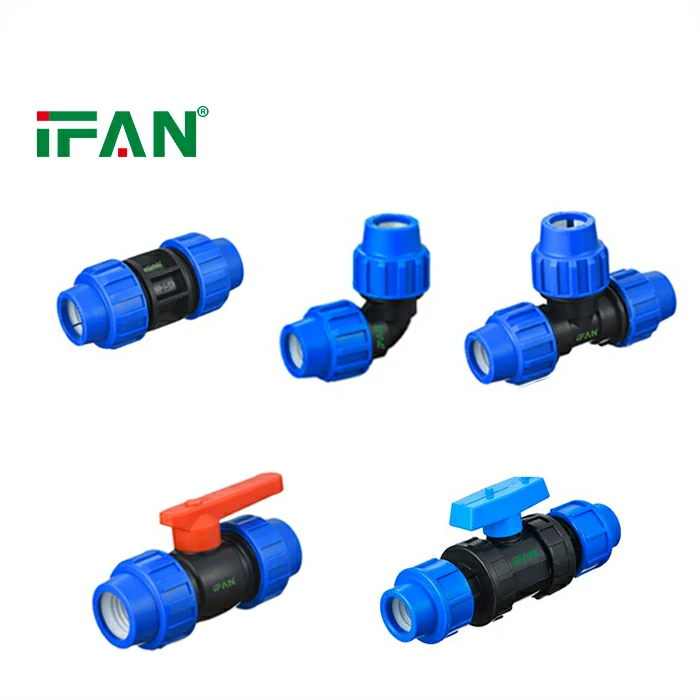
Brass is a corrosion-resistant material that can withstand high pressure and high temperatures, making it suitable for use in plumbing applications.
However, it is important to ensure that the brass fittings you choose are lead-free and meet the appropriate standards and regulations for use in potable water systems. Lead is a toxic substance that can leach into the water and pose a health hazard.
Additionally, brass fittings should be installed properly and regularly inspected to ensure they remain in good condition and do not develop leaks or other issues over time. Proper installation and maintenance can help prevent costly water damage and ensure the safe and efficient operation of your plumbing system.
Importance of using suitable materials in plumbing systems
Using suitable materials in plumbing systems is extremely important for several reasons:
Durability: Plumbing systems are designed to last for decades. The use of unsuitable materials can lead to premature failure of the plumbing system, which can result in costly repairs or replacements.
Safety: Plumbing systems carry potable water, which is used for drinking, cooking, and cleaning. The use of unsuitable materials can lead to contamination of the water, which can result in health hazards.
Corrosion: Water can be corrosive to certain materials. The use of unsuitable materials can result in corrosion, which can lead to leaks and other plumbing issues.
Efficiency: Suitable materials can help improve the efficiency of the plumbing system. For example, using materials with low friction can help improve water flow and reduce energy consumption.
Compliance: Plumbing systems are subject to building codes and regulations. Using unsuitable materials can result in non-compliance, which can lead to legal issues and financial penalties.
Benefits of using brass fittings for water lines
Durability: Brass is a highly durable material that can withstand extreme temperatures and pressures. It is resistant to corrosion and can last for many years without requiring frequent replacements.
Reliability: Brass fittings are known for their reliability, as they can maintain a tight seal even under high pressure. This makes them an ideal choice for water lines where leaks can cause significant damage.
Compatibility: Brass fittings are compatible with a wide range of plumbing materials, including copper, PVC, and PEX. This makes them a versatile choice for a variety of plumbing applications.
Easy installation: Brass fittings are relatively easy to install, and they require minimal tools and expertise. This can save time and money during the installation process.
Cost-effective: While brass fittings may be more expensive than some other materials, their durability and reliability make them a cost-effective choice in the long run. They can help reduce maintenance and repair costs over time.
Considerations when choosing brass fittings for water lines
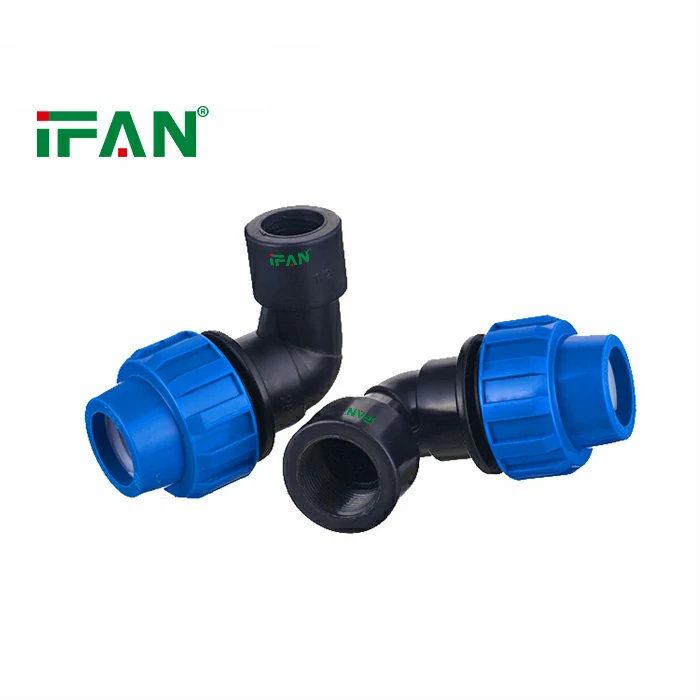
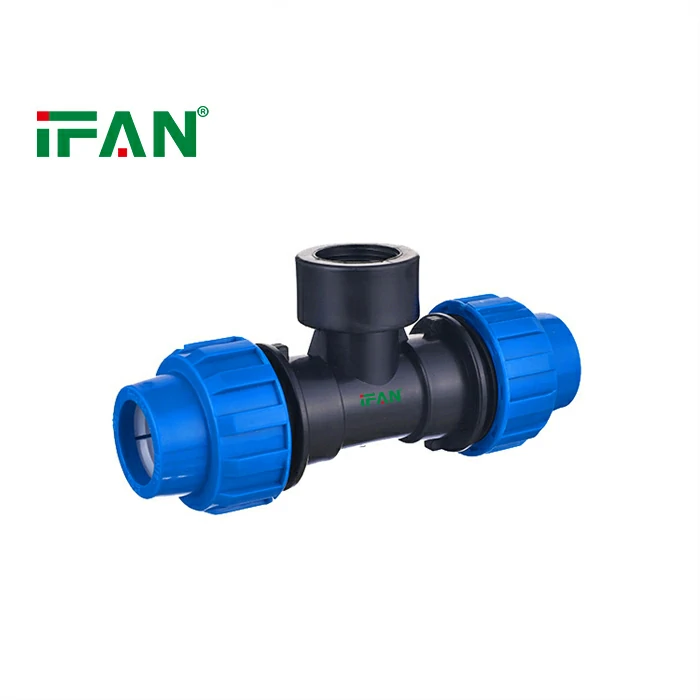
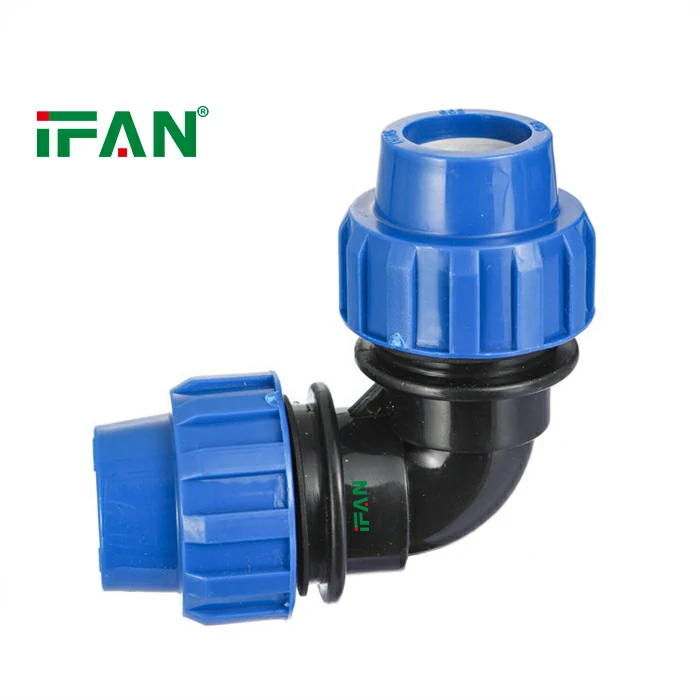
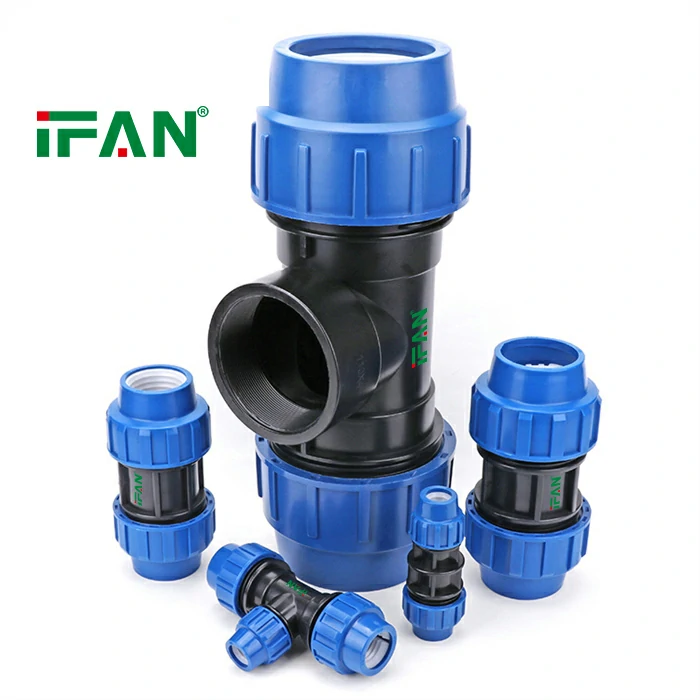
Type of fitting: There are various types of brass fittings available, including compression fittings, flare fittings, and push-to-connect fittings. The type of fitting you choose will depend on the specific application and the type of pipe you are using.
Size: Brass fittings are available in various sizes to fit different types of pipes. It is important to choose the correct size to ensure a tight, leak-free connection.
Material compatibility: Brass fittings are compatible with many types of plumbing materials, including copper, PVC, and PEX. However, it is important to ensure that the fittings are compatible with the specific material you are using in your plumbing system.
Pressure rating: Brass fittings are rated for different levels of pressure. It is important to choose fittings that are rated for the maximum pressure of your plumbing system to ensure safety and reliability.
Thread type: Brass fittings may have either tapered or straight threads. It is important to choose fittings with the correct thread type to ensure a proper connection.
Quality: The quality of brass fittings can vary depending on the manufacturer. It is important to choose high-quality fittings from a reputable manufacturer to ensure reliability and durability.
Cost: Brass fittings may be more expensive than some other materials. It is important to consider the cost of the fittings in relation to their durability and reliability over time.