In recent discussions surrounding the use of cannabis, the London police brass have emphasized the importance of officers being “fit for duty.” This statement comes in the wake of evolving public attitudes toward cannabis and its legalization in various regions. The intersection of law enforcement, public health, and cannabis use raises critical questions about the implications for police officers and the communities they serve. This article will explore the role of brass fittings in police equipment, the challenges posed by cannabis use among officers, and the broader implications for law enforcement.
Understanding Brass Fittings in Law Enforcement Equipment
What Are Brass Fittings?
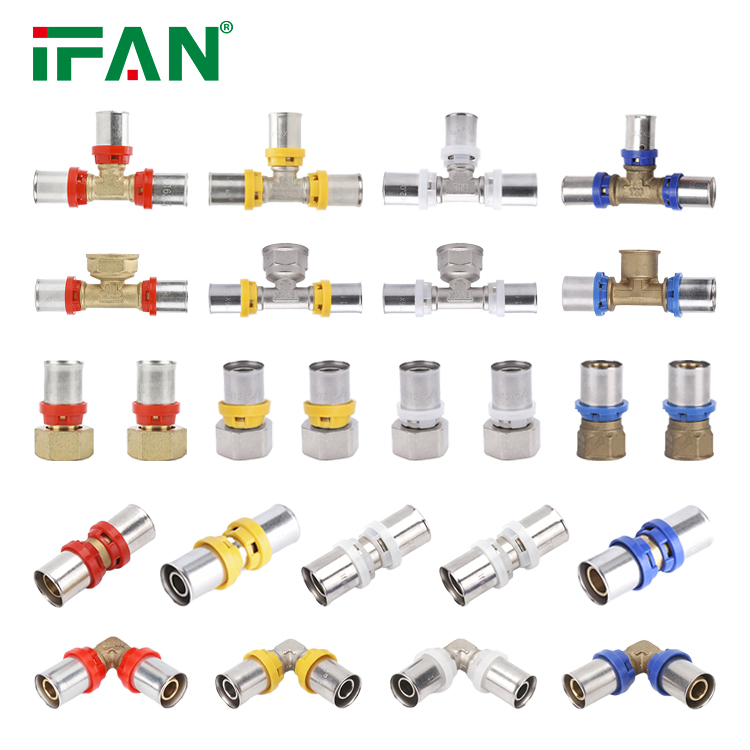
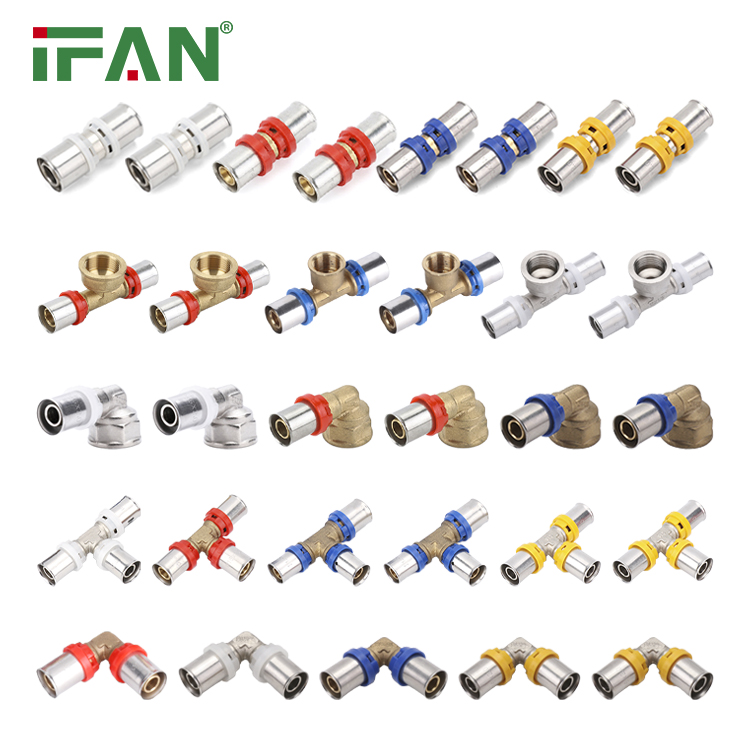
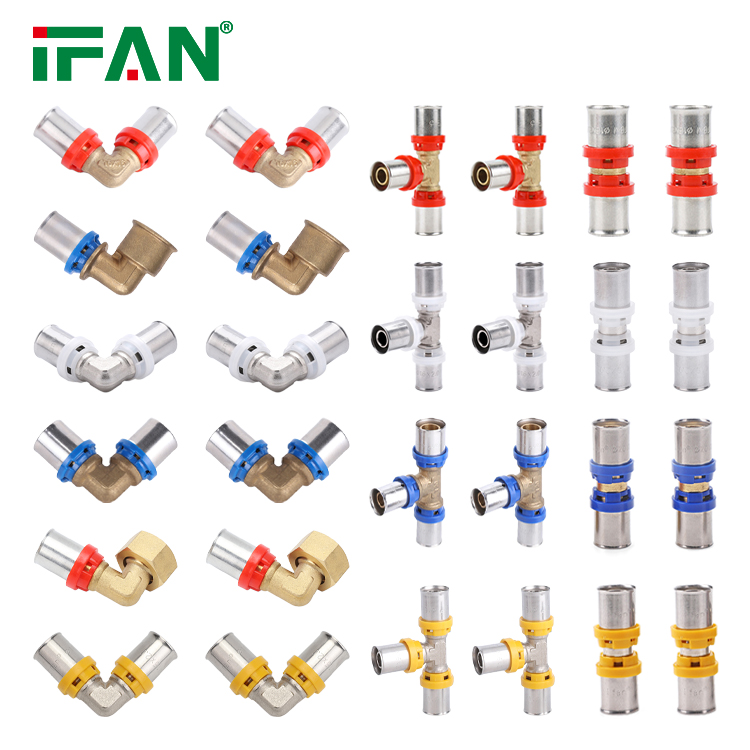
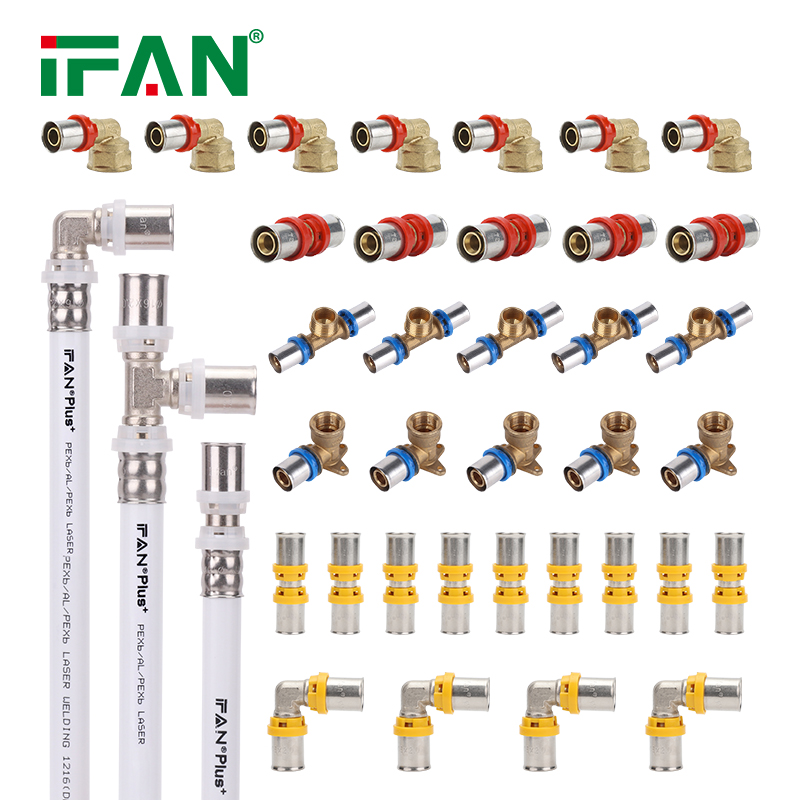
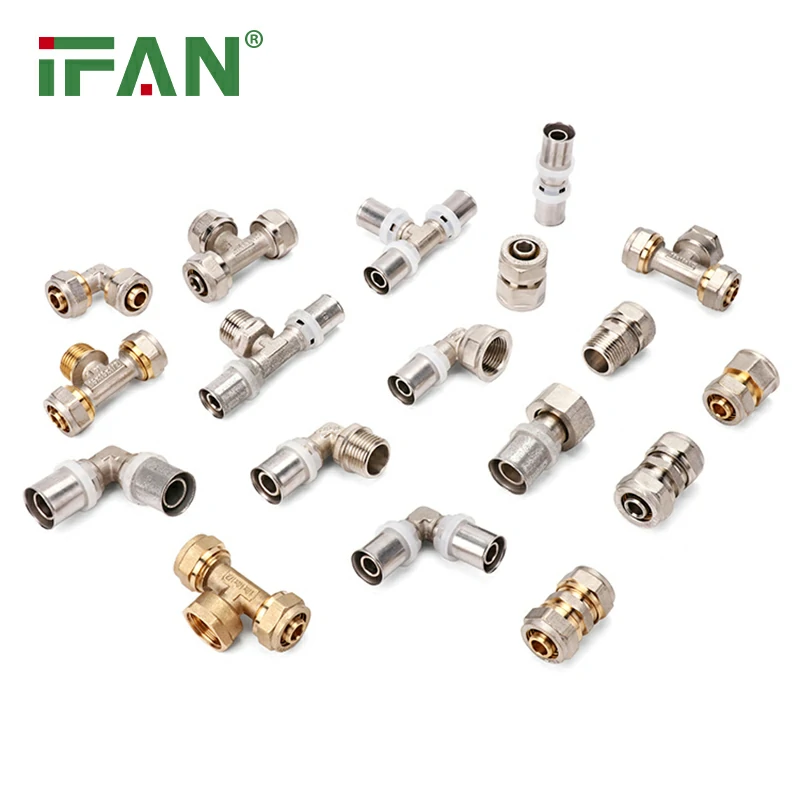
Brass fittings are components made from an alloy of copper and zinc, known for their durability and resistance to corrosion. In law enforcement, brass fittings are commonly used in various equipment, including firearms, vehicles, and communication devices. Their reliability is essential for ensuring that officers have the tools they need to perform their duties effectively.
Importance of Brass Fittings in Police Equipment
Brass fittings play a crucial role in the functionality and safety of police equipment:
- Firearms: Many firearms utilize brass fittings for various components, ensuring precision and reliability during operation.
- Vehicles: Brass fittings are often used in the hydraulic systems of police vehicles, such as brakes and steering, which are critical for safe operation.
- Communication Devices: Brass fittings are found in communication devices used by officers, ensuring secure connections and functionality.
The integrity of these fittings is vital for the overall effectiveness of law enforcement operations.
The Impact of Cannabis Use on Police Officers
Changing Attitudes Toward Cannabis
As societal attitudes toward cannabis continue to shift, with many regions legalizing its use for medicinal and recreational purposes, law enforcement agencies face new challenges. The London police brass have recognized the need for officers to remain fit for duty, especially concerning the potential effects of cannabis consumption.
The Challenges of Cannabis Use
The use of cannabis among police officers presents several challenges, including:
- Impairment: Cannabis can impair cognitive and motor functions, which could affect an officer’s ability to perform their duties safely and effectively. Officers must be able to respond quickly and make sound decisions in high-pressure situations.
- Public Perception: The public expects law enforcement officers to uphold high standards of conduct. Any indication that officers are using substances that could impair their performance may lead to a loss of trust in the police force.
- Legal Implications: Officers who test positive for cannabis may face disciplinary actions, including suspension or termination. This can impact their careers and the overall morale of the force.
Policies and Procedures
In response to these challenges, law enforcement agencies are reevaluating their policies regarding substance use. Some key considerations include:
- Clear Guidelines: Police departments must establish clear guidelines regarding cannabis use, including the time frames within which officers must refrain from consumption before their shifts.
- Regular Testing: Implementing regular drug testing can help ensure that officers remain fit for duty and are not under the influence while on the job.
- Training and Education: Providing training on the effects of cannabis and the importance of remaining fit for duty can help officers make informed decisions regarding their substance use.
The Role of Brass Fittings in Police Operations
Ensuring Officer Safety
The reliability of police equipment, including brass fittings, is essential for officer safety. When officers are fit for duty and equipped with reliable tools, they can respond effectively to emergencies and maintain public safety. Key aspects include:
- Functional Equipment: Ensuring that all equipment, including firearms and vehicles, is in optimal condition is critical for officer safety. Brass fittings contribute to the overall functionality of these tools.
- Maintenance Protocols: Regular maintenance and inspections of police equipment can help identify any issues with brass fittings or other components, ensuring that officers are always prepared for duty.
Community Trust and Transparency
Maintaining trust within the community is paramount for law enforcement agencies. The perception of officers being fit for duty directly impacts public confidence. To foster trust, police departments can:
- Engage with the Community: Building relationships with community members can enhance trust and cooperation. Open dialogues about substance use policies and officer fitness can help demystify law enforcement practices.
- Transparency in Operations: Providing transparency regarding policies and procedures related to cannabis use and officer conduct can help the public feel more secure in their interactions with law enforcement.
The Future of Law Enforcement and Cannabis
Evolving Policies
As societal norms continue to shift, law enforcement agencies may need to adapt their policies regarding cannabis use. Key considerations for the future include:
- Reevaluation of Drug Policies: Police departments may need to reevaluate their drug policies to align with changing laws and public attitudes toward cannabis.
- Focus on Mental Health: Recognizing the importance of mental health in law enforcement can lead to more comprehensive support systems for officers, helping them manage stress and substance use responsibly.
Collaboration with Health Professionals
Law enforcement agencies can benefit