
Introduction
The Erie County Water Authority (ECWA) has filed a lawsuit against several leading manufacturers of PVC pipes, alleging that the companies engaged in anti-competitive practices, including price-fixing, which resulted in inflated prices for essential construction materials. The lawsuit, filed in a U.S. District Court, claims that the actions of these PVC pipe manufacturers caused significant financial harm to public utilities and, ultimately, the residents they serve. The case highlights growing concerns about corporate misconduct in industries that provide crucial infrastructure, particularly when those actions affect public services such as water systems.
In this article, we will explore the details of the lawsuit, the role of PVC pipes in public infrastructure, why price-fixing is a serious issue, and what the outcome of this case could mean for the water authority and consumers across Erie County.
What Are PVC Pipes and Why Are They Important?
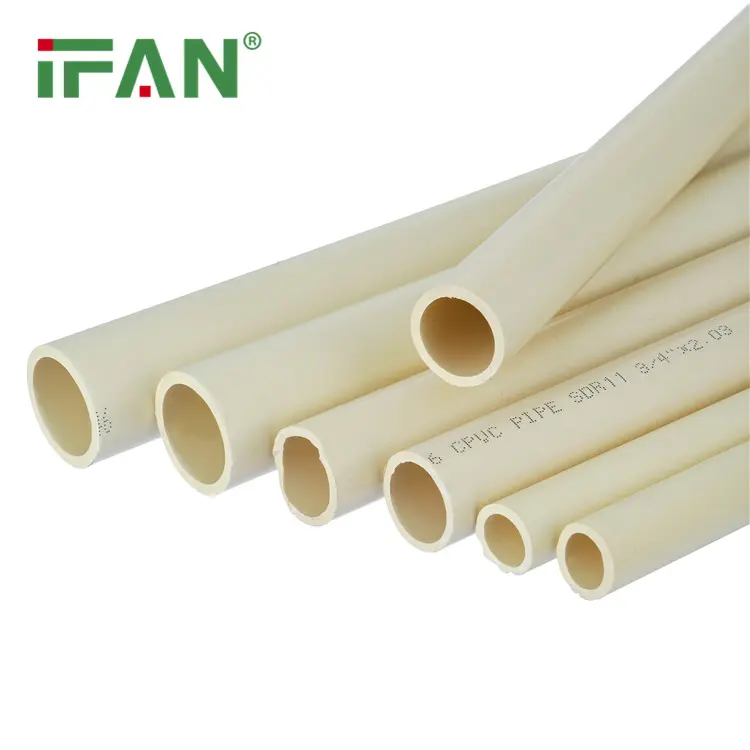
PVC (polyvinyl chloride) pipes are commonly used in water and sewer systems because they are durable, resistant to corrosion, lightweight, and cost-effective. These pipes are vital for a wide range of public infrastructure projects, from residential plumbing and irrigation systems to the construction of large-scale water treatment facilities and stormwater systems.
The use of PVC pipes has grown significantly over the years due to their versatility, ease of installation, and relatively low material costs compared to other types of pipes like steel or copper. In the U.S., PVC pipes account for a substantial portion of the water and sewer market, making them an indispensable part of modern public infrastructure.
However, the lawsuit filed by the Erie County Water Authority reveals that some PVC pipe manufacturers may have taken advantage of their market dominance, engaging in price-fixing agreements that artificially inflated the price of these essential materials. This issue is of great concern to both public utilities and the general public, as increased costs for PVC pipes ultimately affect the pricing of water services and infrastructure projects.
The Allegations: Price-Fixing and Anti-Competitive Practices
In the lawsuit, the Erie County Water Authority alleges that several manufacturers of PVC pipes, including some of the largest players in the industry, colluded to fix prices and restrict competition in the market. According to the complaint, these companies engaged in coordinated efforts to artificially raise prices for PVC pipes, which directly impacted public water systems, construction contractors, and other buyers.
Price-fixing occurs when competing companies agree to set prices at a predetermined level, rather than allowing the forces of supply and demand to determine the cost of goods or services. This practice is illegal under U.S. antitrust laws, which are designed to promote fair competition and prevent monopolistic behavior that harms consumers.
In this case, the ECWA argues that the inflated prices of PVC pipes resulted in higher costs for public water infrastructure projects. As a public utility, the Erie County Water Authority is responsible for maintaining and upgrading the water distribution system for over 500,000 residents in Erie County. The lawsuit claims that the inflated pipe prices increased the cost of critical infrastructure repairs, thereby diverting resources from other necessary upgrades and increasing the financial burden on taxpayers.
Why Price-Fixing in the PVC Pipe Market Is a Serious Concern
Price-fixing in the PVC pipe market is particularly concerning because of the essential role that PVC pipes play in public utilities. If manufacturers are able to manipulate the price of PVC pipes, public water systems and municipalities may be forced to pay more than necessary for basic materials, potentially diverting funds away from other important services, including water treatment, sewer maintenance, and infrastructure expansion.
For Erie County, the increased cost of PVC pipes is not just an inconvenience; it has real-world implications. Higher costs for pipe materials translate into increased expenses for water infrastructure projects. These projects are essential for maintaining the quality of water and services provided to the community. When the price of materials is artificially inflated, public utilities may have to delay necessary projects, cut back on service, or even raise rates for consumers.
Price-fixing also undermines the principles of free-market competition. When companies collude to set prices, it reduces consumer choice, limits innovation, and can lead to inferior products and services. In industries like water systems, where safety, quality, and reliability are paramount, such practices can have far-reaching consequences for public health and safety.
Impact on Erie County and Its Residents
For the residents of Erie County, the implications of price-fixing in the PVC pipe market are clear. The Erie County Water Authority is responsible for providing clean, safe drinking water to hundreds of thousands of households. The cost of infrastructure, including pipes, is a key factor in determining the affordability and reliability of this service.
If the lawsuit proves successful, it could lead to a reduction in the cost of PVC pipes for public utilities, which may, in turn, lower the financial burden on taxpayers. The savings could be reinvested into improving water systems, enhancing infrastructure, and maintaining water quality standards. Furthermore, if the lawsuit results in penalties or settlements, the money recovered could be used to fund future water system projects and prevent price hikes in the future.
The lawsuit also sends a strong message to manufacturers in the PVC pipe industry that anti-competitive behavior will not be tolerated, and that public utilities and taxpayers should not be subjected to inflated costs for essential goods and services. If successful, this case could set a legal precedent that helps protect other public utilities from similar practices in the future.
The Legal Process and What Happens Next
The lawsuit filed by the Erie County Water Authority is in the early stages, and it will likely take months, if not years, before a final verdict is reached. In the meantime, the defendants will have an opportunity to respond to the allegations and mount their defense.
If the case proceeds to trial, both sides will present evidence and arguments in front of a judge or jury. If the court finds in favor of the Erie County Water Authority, it could result in significant legal and financial consequences for the defendants, including monetary damages and injunctive relief to stop any further anti-competitive practices. In some cases, settlements may be reached before the trial concludes, allowing both parties to avoid a prolonged legal battle.
For the public, it is important to keep in mind that while the lawsuit may take some time to resolve, the issue of price-fixing in the PVC pipe market remains a pressing concern. In the meantime, the Erie County Water Authority will continue to work on maintaining and improving the water distribution system, with the hope that a fair resolution will ultimately help reduce costs for the community.
Conclusion
The lawsuit filed by the Erie County Water Authority against PVC pipe manufacturers highlights a serious issue in the construction and public utilities industries: price-fixing and anti-competitive practices. As PVC pipes are critical to maintaining water systems and infrastructure, inflated prices can lead to increased costs for consumers, delays in infrastructure projects, and a reduced ability to improve public services.
By challenging these practices in court, the Erie County Water Authority aims to ensure that public utilities are able to purchase essential materials at fair prices, which ultimately benefits the residents of Erie County. As the case progresses, it will be important to follow the legal developments, as the outcome could have implications for the entire PVC pipe industry and other public utilities across the country.
Frequently Asked Questions (FAQs)
- What is the Erie County Water Authority suing PVC pipe manufacturers for?
- The Erie County Water Authority is suing PVC pipe manufacturers for price-fixing, alleging that the companies colluded to artificially inflate the price of PVC pipes, harming public utilities and increasing costs for consumers.
- Why is price-fixing a problem in the PVC pipe market?
- Price-fixing limits competition, raises prices for consumers, and disrupts fair market dynamics. In the case of PVC pipes, this results in higher costs for water infrastructure projects, which can negatively impact public services and consumers.
- How does price-fixing affect public utilities like the Erie County Water Authority?
- Price-fixing increases the cost of essential materials like PVC pipes, which can strain the budgets of public utilities, delay infrastructure improvements, and force utilities to raise prices or reduce service quality to cover the increased costs.
- What are the potential outcomes of the lawsuit?
- If successful, the lawsuit could result in financial compensation for Erie County, lower costs for PVC pipes, and changes in the pricing practices of PVC pipe manufacturers. It may also set a legal precedent for other public utilities facing similar issues.
- How long will it take for the lawsuit to be resolved?
- The lawsuit is in its early stages, and it may take months or even years before a final decision is made. The case could go to trial, or a settlement might be reached before then





