FG To Sanction ISO 15874 Producers Of Fake PPR Pipe
Introduction
The demand for high-quality plumbing materials has never been more critical, especially in a world that increasingly relies on durable and efficient infrastructure. Among these materials, PPR (Polypropylene Random Copolymer) pipes have gained immense popularity due to their versatility, durability, and resistance to corrosion. However, the proliferation of fake PPR pipes in the market poses significant risks to both consumers and the integrity of plumbing systems. In response to this alarming trend, the Federal Government (FG) is taking decisive action to sanction producers of counterfeit PPR pipes. This article will explore the implications of this initiative, the importance of authentic PPR pipes, and how consumers can protect themselves from substandard products.
Understanding PPR Pipes
What are PPR Pipes?
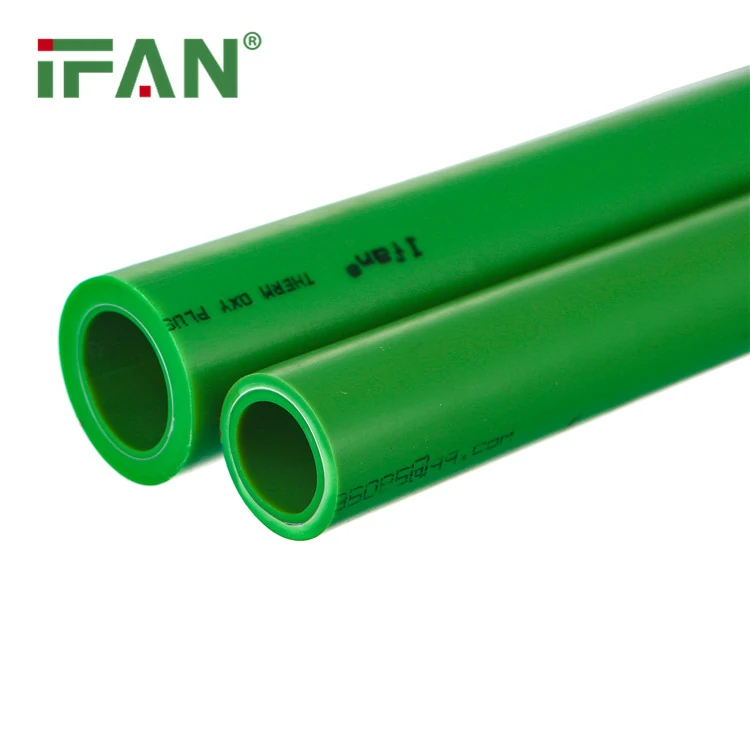
PPR pipes are made from polypropylene, a type of plastic known for its robustness and long lifespan. These pipes are widely used in plumbing systems for both hot and cold water applications. Their ability to withstand high temperatures and pressures makes them an ideal choice for residential and commercial plumbing.
Benefits of PPR Pipes
- Durability: PPR pipes can last for over 50 years when installed correctly.
- Corrosion Resistance: Unlike metal pipes, PPR does not corrode, ensuring clean and safe water delivery.
- Lightweight: PPR pipes are significantly lighter than their metal counterparts, making them easier to transport and install.
- Cost-Effective: Although the initial investment may be higher, the longevity and low maintenance costs make PPR pipes a cost-effective choice in the long run.
The Rise of Fake PPR Pipes
What Are Fake PPR Pipes?
Fake PPR pipes are counterfeit products that are often made from substandard materials. These pipes may look similar to genuine PPR pipes but lack the essential properties that make PPR a reliable choice for plumbing. The production of fake PPR pipes is a growing concern, as they can lead to severe plumbing failures, water contamination, and increased repair costs.
Risks Associated with Fake PPR Pipes
- Health Hazards: Low-quality materials can leach harmful substances into the water supply, posing health risks to consumers.
- System Failures: Fake pipes are more susceptible to cracking and bursting, leading to costly water damage and repairs.
- Increased Costs: While fake pipes may seem cheaper initially, the long-term costs associated with repairs and replacements can be significant.
The Federal Government’s Response
Sanctioning Producers of Fake PPR Pipes
In light of the dangers posed by fake PPR pipes, the Federal Government has initiated measures to sanction producers of counterfeit products. This initiative aims to protect consumers and ensure that only high-quality plumbing materials are available in the market.
Objectives of the Initiative
- Consumer Protection: The primary goal is to safeguard consumers from the risks associated with fake PPR pipes.
- Market Integrity: By cracking down on counterfeit products, the government aims to maintain the integrity of the plumbing materials market.
- Encouraging Compliance: The initiative encourages manufacturers to adhere to quality standards and regulations.
The Importance of Choosing Authentic PPR Pipes
How to Identify Genuine PPR Pipes
- Certification: Look for pipes that have been certified by relevant authorities or organizations.
- Brand Reputation: Choose products from reputable manufacturers known for their commitment to quality.
- Physical Inspection: Check for any visible defects, inconsistencies in color, or unusual textures that may indicate a fake product.
Benefits of Using Authentic PPR Pipes
- Reliability: Genuine PPR pipes are tested for quality and performance, ensuring reliable plumbing systems.
- Warranty: Most reputable manufacturers offer warranties on their products, providing peace of mind for consumers.
- Long-Term Savings: Investing in quality PPR pipes can lead to significant savings over time due to reduced maintenance and replacement costs.
Conclusion
The rise of fake PPR pipes is a pressing issue that threatens the safety and reliability of plumbing systems. The Federal Government’s initiative to sanction producers of counterfeit products is a crucial step towards protecting consumers and ensuring the integrity of the plumbing materials market. By choosing authentic PPR pipes, consumers can safeguard their investments and contribute to a safer, more reliable infrastructure.
FAQs
1. What are PPR pipes used for?
PPR pipes are primarily used for plumbing systems, including hot and cold water supply, irrigation, and industrial applications.
2. How can I tell if my PPR pipes are genuine?
You can identify genuine PPR pipes by checking for certifications, purchasing from reputable brands, and inspecting the physical quality of the pipes.
3. What are the risks of using fake PPR pipes?
Using fake PPR pipes can lead to health hazards, system failures, and increased costs due to repairs and replacements.
4. How long do PPR pipes last?
When installed correctly, PPR pipes can last over 50 years, making them a durable choice for plumbing systems.
5. What should I do if I suspect I have fake PPR pipes?
If you suspect that you have fake PPR pipes, it is advisable to consult a professional plumber for an inspection and consider replacing them with genuine products.