Introduction
In recent years, the demand for Polypropylene Random Copolymer (PPR) pipes has surged due to their durability, resistance to corrosion, and versatility in various applications. However, this increased demand has also led to a concerning rise in the production and distribution of fake PPR pipes. The Federal Government (FG) has recognized the potential hazards associated with these counterfeit products and is taking decisive action to sanction producers of fake PPR pipes. This article explores the implications of fake PPR pipes, the government’s response, and the importance of ensuring quality and safety in the plumbing industry.
Understanding PPR Pipes
What Are PPR Pipes?
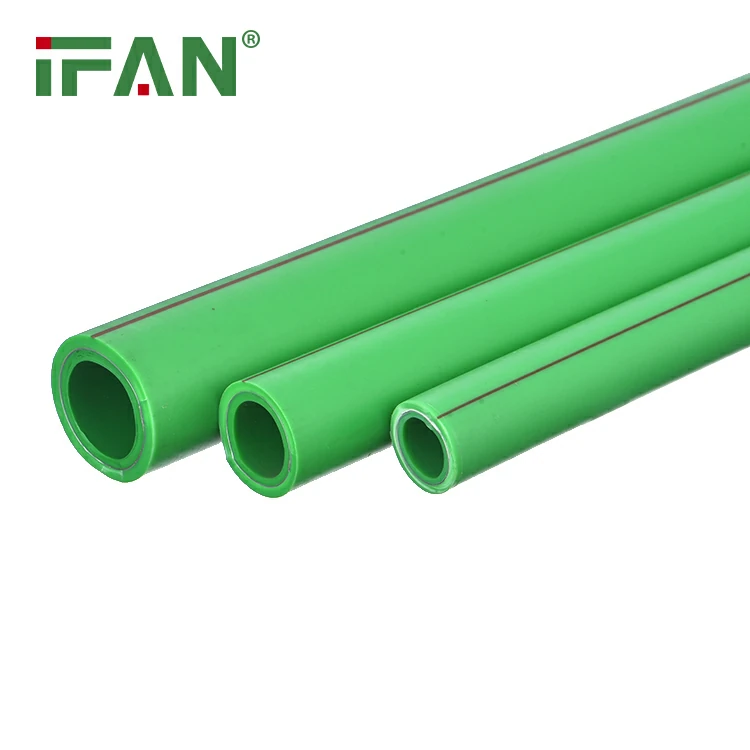
PPR pipes are thermoplastic pipes made from a high-quality polymer known as Polypropylene Random Copolymer. These pipes are widely used in plumbing, heating, and irrigation systems due to their numerous advantages over traditional piping materials.
Key Benefits of PPR Pipes
- Corrosion Resistance: PPR pipes do not corrode like metal pipes, ensuring that the water transported remains clean and safe for consumption.
- High Temperature Tolerance: They can withstand high temperatures, making them suitable for hot water supply lines.
- Lightweight and Easy to Install: PPR pipes are lightweight, which simplifies transportation and installation, reducing labor costs.
- Durability: With a lifespan exceeding 50 years, PPR pipes offer long-term reliability, leading to lower replacement costs.
- Environmental Sustainability: PPR pipes are recyclable, contributing to sustainable practices in plumbing and construction.
The Rise of Fake PPR Pipes
What Are Fake PPR Pipes?
Fake PPR pipes are counterfeit products that are often manufactured using substandard materials and processes. These pipes may look similar to genuine PPR pipes but lack the quality and durability that consumers expect. The production of fake PPR pipes poses significant risks to public health and safety.
Dangers of Fake PPR Pipes
- Health Risks: Fake PPR pipes may leach harmful chemicals into the water supply, posing serious health risks to consumers.
- Structural Failures: Substandard materials can lead to leaks, bursts, and other structural failures, compromising the integrity of plumbing systems.
- Increased Costs: The use of fake PPR pipes can result in higher maintenance and repair costs over time due to frequent failures and replacements.
- Legal Implications: Consumers and contractors who unknowingly use fake PPR pipes may face legal issues if the products fail to meet safety standards.
Government Action Against Fake PPR Pipes
FG’s Response
In light of the growing concerns regarding fake PPR pipes, the Federal Government has initiated measures to sanction producers of counterfeit products. This response includes:
- Regulatory Framework: The government is working to establish a robust regulatory framework that sets stringent standards for the production and distribution of PPR pipes.
- Inspections and Enforcement: Increased inspections of manufacturing facilities and distribution channels will be conducted to identify and penalize producers of fake PPR pipes.
- Public Awareness Campaigns: The government aims to educate consumers and contractors about the risks associated with fake PPR pipes and how to identify genuine products.
- Collaboration with Industry Stakeholders: The government is partnering with industry associations, manufacturers, and consumer advocacy groups to combat the proliferation of counterfeit products.
Importance of Compliance
Compliance with regulations is essential for ensuring the safety and quality of PPR pipes. Manufacturers must adhere to established standards and undergo regular inspections to maintain their licenses. Non-compliance can lead to severe penalties, including fines, shutdowns, and legal action.
The Role of Quality Assurance in the PPR Pipe Industry
Importance of Quality Assurance
Quality assurance plays a crucial role in the manufacturing of PPR pipes. It ensures that products meet safety and performance standards, protecting consumers and the environment. Key aspects of quality assurance include:
- Material Selection: Using high-quality raw materials is essential for producing durable and safe PPR pipes. Manufacturers must source materials from reputable suppliers.
- Manufacturing Processes: Adhering to strict manufacturing processes helps maintain consistency and quality in the production of PPR pipes.
- Testing and Certification: Regular testing of finished products is necessary to ensure compliance with safety standards. Certification from recognized organizations can provide consumers with confidence in the quality of PPR pipes.
Consumer Awareness and Education
Educating consumers about the importance of quality assurance in the PPR pipe industry is vital. Consumers should be encouraged to:
- Verify Product Authenticity: Check for certification marks and labels that indicate compliance with safety standards.
- Research Manufacturers: Choose reputable manufacturers known for producing high-quality PPR pipes.
- Report Suspicious Products: Report any suspected counterfeit products to the relevant authorities to help combat the issue.
Conclusion
The rise of fake PPR pipes poses significant risks to public health, safety, and the integrity of plumbing systems. The Federal Government’s decision to sanction producers of counterfeit products is a crucial step toward safeguarding consumers and promoting quality in the plumbing industry. By establishing stringent regulations, increasing inspections, and raising public awareness, the government aims to eliminate fake PPR pipes from the market.
As consumers, contractors, and manufacturers work together to combat the issue of counterfeit products, it is essential to prioritize quality assurance and compliance with safety standards. Together, we can ensure that PPR pipes continue to provide reliable and sustainable solutions for plumbing and construction projects.
Frequently Asked Questions (FAQs)
1. What are PPR pipes used for?
PPR pipes are commonly used for hot and cold water supply, heating systems, irrigation, and industrial applications due to their durability and resistance to corrosion.
2. How can I identify fake PPR pipes?
Fake PPR pipes may lack certification marks, have poor-quality finishes, or show signs of weakness. Always purchase from reputable manufacturers and suppliers.
3. What are the risks of using fake PPR pipes?
Using fake PPR pipes can lead to health risks, structural failures, increased maintenance costs, and potential legal issues for consumers and contractors.
4. How is the government addressing the issue of fake PPR pipes?
The government is implementing stringent regulations, increasing inspections, conducting public awareness campaigns, and collaborating with industry stakeholders to combat counterfeit products.
5. What should I do if I suspect I have purchased fake PPR pipes?
If you suspect you have purchased fake PPR pipes, report the issue to the relevant authorities and seek guidance on how to proceed. It is advisable to replace counterfeit products with genuine ones from reputable manufacturers.