In a significant move aimed at regulating the export of brass fittings and copper scrap, the Indian government has imposed a regulatory duty (RD). This decision has sent ripples through the metal industry, affecting manufacturers, exporters, and consumers alike. In this article, we will explore the implications of this policy change, the reasons behind it, and how it impacts the brass fittings market in India.

Understanding Brass Fittings and Copper Scrap
What Are Brass Fittings?
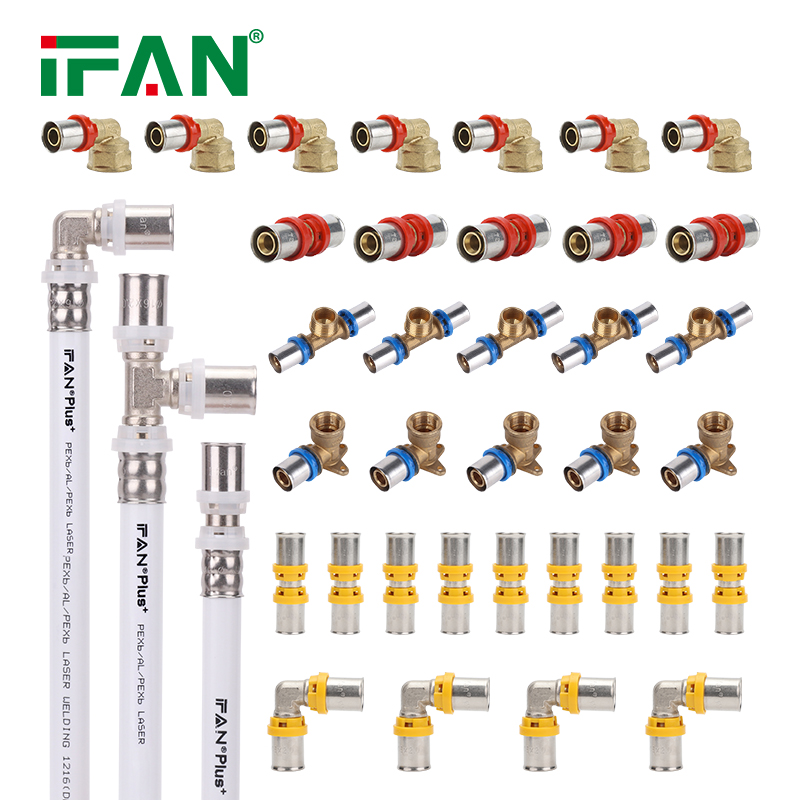
Brass fittings are essential components in plumbing, HVAC systems, and various industrial applications. Made from an alloy of copper and zinc, brass fittings are known for their durability, corrosion resistance, and aesthetic appeal. They are widely used in residential and commercial projects, making them a staple in the construction and plumbing industries.
The Role of Copper Scrap in the Industry
Copper scrap, which includes waste and discarded copper materials, plays a crucial role in the manufacturing of brass fittings. Recycled copper is often used to produce new fittings, reducing the need for virgin materials and promoting sustainability in the industry. The export of copper scrap has been a lucrative business for many Indian manufacturers, contributing significantly to the economy.
The Regulatory Duty (RD) Explained
What Is Regulatory Duty?
Regulatory duty is a form of taxation imposed by the government on certain goods exported from the country. The primary aim of this duty is to control the export of specific commodities, ensuring that domestic industries have adequate access to raw materials and that prices remain stable in the local market.
Reasons for Imposing RD on Brass Fittings and Copper Scrap
The Indian government has cited several reasons for imposing the regulatory duty on brass fittings and copper scrap exports:
- Protecting Domestic Industries: By imposing an RD, the government aims to protect local manufacturers from fluctuations in global prices. This ensures that domestic industries have a steady supply of raw materials at reasonable prices.
- Encouraging Recycling: The government is keen on promoting recycling and the use of recycled materials in manufacturing. By controlling exports, it encourages domestic industries to utilize available scrap for production, reducing dependency on imports.
- Stabilizing Prices: The imposition of RD is also aimed at stabilizing prices in the domestic market. By regulating exports, the government can prevent price spikes that may arise from increased demand in international markets.
- Environmental Concerns: The government is increasingly focused on sustainable practices and reducing the environmental impact of industries. By promoting the use of recycled materials, it aims to minimize waste and promote eco-friendly manufacturing processes.
Implications for the Brass Fittings Industry
Impact on Manufacturers
The imposition of RD on brass fittings and copper scrap exports has several implications for manufacturers:
- Increased Production Costs: Manufacturers may face increased production costs due to the higher prices of raw materials. The regulatory duty could lead to a rise in the cost of imported copper, affecting the overall pricing of brass fittings.
- Shift in Export Strategies: Manufacturers may need to reevaluate their export strategies. With the new duty in place, some exporters may choose to focus on the domestic market, while others may seek alternative markets where the regulatory duty is not applicable.
- Investment in Recycling: To adapt to the new regulations, manufacturers may invest in recycling facilities to process scrap locally. This shift can lead to increased efficiency and sustainability in production processes.
Impact on Exporters
Exporters of brass fittings and copper scrap will also feel the effects of the regulatory duty:
- Reduced Profit Margins: The imposition of RD can lead to reduced profit margins for exporters, making it less attractive to sell in international markets. This could result in a decline in export volumes.
- Market Diversification: Exporters may need to diversify their markets to mitigate the impact of the regulatory duty. Exploring new regions or countries with less stringent regulations could become a priority.
- Compliance Costs: Exporters will need to invest in compliance measures to adhere to the new regulations. This may include additional documentation and processes, increasing operational costs.
Consumer Implications
Effect on Pricing
Consumers can expect to see changes in pricing for brass fittings as manufacturers adjust to the new regulatory environment. The increased production costs may lead to higher prices for end products, impacting both residential and commercial buyers.
Availability of Products
While the regulatory duty aims to stabilize the domestic market, it may also lead to temporary disruptions in the availability of brass fittings. Manufacturers may take time to adjust their production strategies, potentially leading to shortages in the short term.
The Future of Brass Fittings and Copper Scrap Exports
Long-Term Industry Trends
The imposition of RD on brass fittings and copper scrap exports signifies a shift towards a more regulated and sustainable industry. In the long term, we may see:
- Increased Focus on Sustainability: As the government promotes recycling and the use of eco-friendly materials, the brass fittings industry may increasingly adopt sustainable practices.
2