Introduction
In the realm of plumbing and water supply systems, the choice of materials is crucial for ensuring durability, efficiency, and safety. One of the standout options in the market today is the High Pressure Water 3/4 Inch Hose PPR Pipe, particularly in a 10-foot length. This article delves into the features, benefits, and applications of PPR pipes, specifically focusing on their use in high-pressure water systems. By the end, you will understand why this type of water pipe is an excellent choice for various applications.
Understanding PPR Pipes
What Are PPR Pipes?
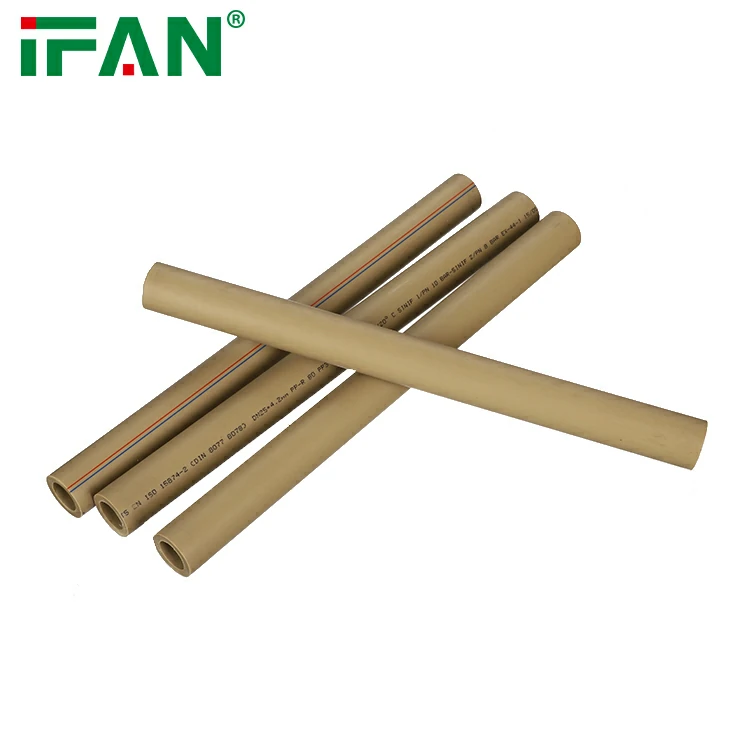
Polypropylene Random Copolymer (PPR) pipes are a type of thermoplastic piping known for their versatility and reliability. These pipes are made from a specific type of polypropylene that is designed to withstand high temperatures and pressures, making them ideal for a range of applications, including hot and cold water supply systems.
Key Features of PPR Pipes
- High Pressure Resistance: PPR pipes are engineered to handle high pressure, making them suitable for demanding applications where water pressure is a concern.
- Temperature Tolerance: PPR pipes can endure temperatures up to 95°C (203°F), allowing them to be used for both hot and cold water systems without compromising integrity.
- Corrosion Resistance: Unlike metal pipes, PPR pipes do not corrode over time, ensuring that the water remains uncontaminated and safe for consumption.
- Lightweight and Easy to Install: The lightweight nature of PPR pipes makes them easy to transport and install, reducing labor costs and installation time.
- Low Maintenance: PPR pipes require minimal maintenance, which translates into lower long-term costs for homeowners and businesses.
The Importance of Water Pipes in Plumbing Systems
Ensuring Safe Water Supply
Water pipes are the backbone of any plumbing system, responsible for delivering clean and safe water to homes and businesses. The choice of piping material directly impacts the quality of water supplied. PPR pipes, with their non-toxic properties and resistance to leaching, ensure that the water remains safe for consumption.
Efficiency in Water Flow
The design and material of water pipes play a significant role in determining the efficiency of water flow. PPR pipes have smooth inner surfaces, reducing friction and allowing for optimal water flow. This efficiency is especially important in high-pressure applications where consistent water delivery is crucial.
Environmental Impact
Sustainable building practices are becoming increasingly important in today’s construction landscape. PPR pipes are recyclable, contributing to reduced environmental impact. Their longevity and low maintenance requirements also mean fewer resources are needed for repairs and replacements over time.
Applications of High Pressure Water 3/4 Inch Hose PPR Pipe
Residential Plumbing
In residential settings, the High Pressure Water 3/4 Inch Hose PPR Pipe is ideal for various plumbing applications, including water supply lines, irrigation systems, and even heating systems. Its ability to handle high pressures makes it a reliable choice for ensuring that water is delivered efficiently throughout the home.
Commercial Uses
In commercial settings, such as restaurants, hotels, and office buildings, the demand for reliable water supply systems is critical. PPR pipes can be used for both potable and non-potable water applications, including fire protection systems, cooling systems, and irrigation for landscaping.
Industrial Applications
Industries that require the transportation of water or other fluids at high pressures can benefit significantly from PPR pipes. Their durability and resistance to chemicals make them suitable for various industrial applications, including manufacturing processes and wastewater management.
Agricultural Use
In agriculture, efficient water delivery is essential for crop irrigation. The High Pressure Water 3/4 Inch Hose PPR Pipe can be used in irrigation systems, ensuring that water is delivered effectively to crops while minimizing waste.
Installation of PPR Pipes
Preparation and Planning
Before installation, it is essential to plan the layout of the piping system. This includes determining the length of the pipe needed, the location of fittings, and ensuring that the system is designed to handle the expected water pressure.
Cutting and Joining
PPR pipes can be easily cut to the desired length using a pipe cutter. For joining pipes, heat fusion is commonly used. This process involves heating the ends of the pipes and fittings, then joining them together to create a secure, leak-proof connection.
Testing the System
Once the installation is complete, it is crucial to test the system for leaks and ensure that it can handle the required pressure. This step is vital to ensure the longevity and reliability of the water supply system.
Advantages of Using 3/4 Inch PPR Pipes
Versatility
The 3/4 inch diameter is a versatile size that can be used for a variety of applications, from residential plumbing to industrial uses. This flexibility makes it a popular choice for many projects.
Cost-Effectiveness
While the initial investment in PPR pipes may be higher than traditional materials like PVC or metal, their long lifespan and low maintenance requirements result in significant cost savings over time.
Health and Safety
PPR pipes are free from harmful chemicals and toxins, making them a safe choice for transporting drinking water. This aspect is particularly important in residential and commercial applications where water quality is paramount.
Challenges and Considerations
Initial Investment
While PPR pipes offer numerous benefits, the initial cost can be a barrier for some consumers. It is essential to consider the long-term savings associated with durability and low maintenance when evaluating the overall value.
Market Awareness
There may be a lack of awareness among contractors and builders regarding the advantages of PPR pipes. Educating stakeholders about the benefits of PPR can help increase its adoption in various applications.
Compliance with Standards
Ensuring compliance with local building codes and regulations is crucial when installing PPR pipes. It is essential to stay informed about relevant standards to guarantee the safety and effectiveness of the plumbing system.
Conclusion
The High Pressure Water 3/4 Inch Hose PPR Pipe is an excellent choice for various applications, offering durability, efficiency, and safety. Its ability to withstand high pressures and temperatures makes it suitable for residential, commercial, and industrial uses. As the demand for reliable water supply systems continues to grow, PPR pipes will play an increasingly important role in modern plumbing solutions. By investing in high-quality PPR pipes, consumers can ensure a sustainable and efficient water supply for years to come.
Frequently Asked Questions (FAQs)
1. What is the maximum pressure that a 3/4 inch PPR pipe can handle?
PPR pipes are designed to handle pressures up to 20 bars (approximately 290 psi), making them suitable for high-pressure applications.
2. Can PPR pipes be used for both hot and cold water?
Yes, PPR pipes can be used for both hot and cold water applications, withstanding temperatures up to 95°C (203°F).
3. How do I install PPR pipes?
PPR pipes can be installed using heat fusion techniques, where the ends of the pipes and fittings are heated and joined together to create a secure connection.
4. Are PPR pipes environmentally friendly?
Yes, PPR pipes are recyclable and have a long lifespan, contributing to reduced environmental impact compared to traditional materials.
5. What maintenance is required for PPR pipes?
PPR pipes require minimal maintenance due to their corrosion resistance and durability. Regular inspections are recommended to ensure the system remains leak-free and efficient.