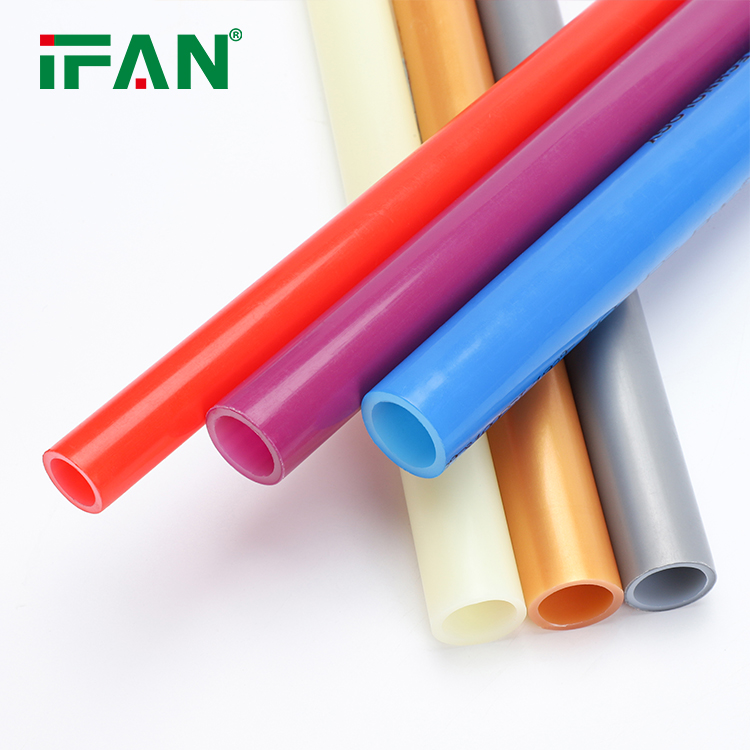
If you are looking for an effective and efficient way to enhance the performance of your sewage system, then HDPE (High-Density Polyethylene) fittings are the solution. HDPE fittings are made from a high-quality plastic material that offers a wide range of benefits. In this article, we will discuss how HDPE fittings can improve your sewage system performance and why you should consider using them.
What are HDPE Fittings?
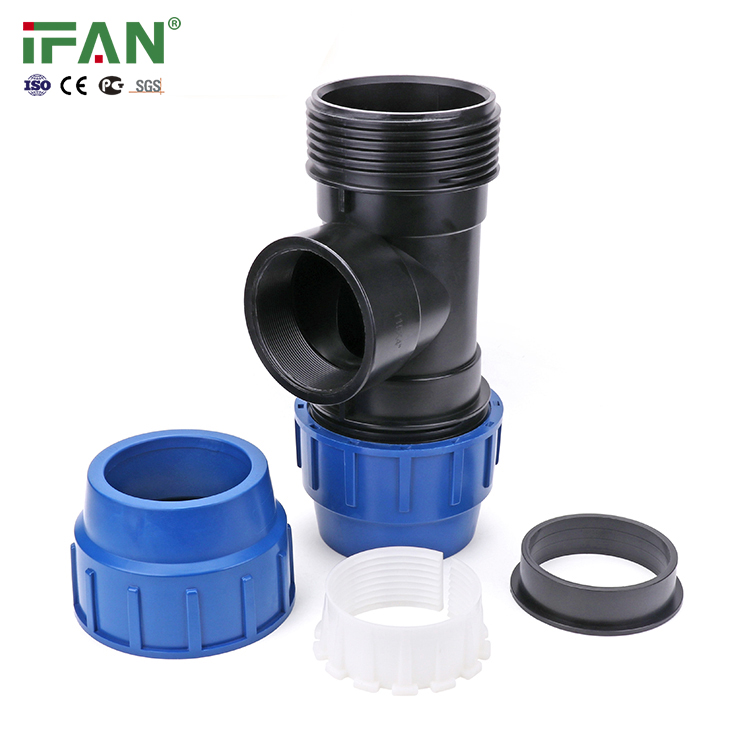
HDPE fittings are a type of plastic fittings that are made from high-density polyethylene material. These fittings are strong, durable, and flexible, making them an ideal choice for various applications. They are designed to connect two or more pipes together, creating a smooth and leak-proof connection. HDPE fittings come in various sizes and shapes, allowing them to match the specific needs of different applications.
Benefits of HDPE Fittings
- Corrosion Resistance
One of the biggest advantages of HDPE fittings is their resistance to corrosion. Traditional fittings made from metal materials are prone to rust and corrosion over time, which can compromise the performance of the sewage system. HDPE fittings are ideal for use in harsh environments where exposure to chemicals and other corrosive materials is high.
- High Strength and Flexibility
Another significant advantage of HDPE fittings is their high strength and flexibility. HDPE fittings are less brittle than traditional fittings made from metal materials, making them less likely to crack or break under pressure. Additionally, HDPE fittings are flexible, allowing them to absorb shocks and vibrations, reducing the risk of pipe damage.
- Longer Lifespan
HDPE fittings have a longer lifespan than traditional fittings, making them a cost-effective solution in the long run. They are resistant to wear and tear, which helps to reduce the need for replacement fittings and repair work. This results in lower maintenance costs and downtime, allowing the sewage system to operate efficiently for longer.
- Easy Installation
HDPE fittings are easy to install, cutting down on installation time and labor costs. They require minimal tools and equipment, reducing the overall costs of the installation process. Additionally, HDPE fittings are lightweight, making them easy to handle, transport, and install.
The Value of HDPE Fittings
HDPE fittings offer a range of benefits that translate into improved sewage system performance. By investing in HDPE fittings, you can be sure that your sewage system will operate at optimum levels for an extended period, reducing the risk of unexpected shutdowns, costly repairs, and downtime. HDPE fittings help to maintain the integrity of the sewage system, reducing the risk of environmental damage, and ensuring compliance with local regulations.
In conclusion, HDPE fittings are an excellent choice for improving the performance of your sewage system. With their resistance to corrosion, high strength and flexibility, longer lifespan, and easy installation, they offer exceptional value for money, making them an ideal choice for any sewage system application.
IFAN factory started in 1993. And IFAN has workshop 120000 square meter with 610 staff. IFAN can design and produce all plumbing pipe and fitting include PPR,PVC,CPVC PPSU HDPE PEXA PEXB PERT pipe and fitting ,brass fitting, brass ball valve ,heating system , gas system , sanitary faucets and hose, In the past 30 Years, IFAN has never forgotten his mission-To protect health and safety. And IFAN factory use best materials to produce high quality pipe and fittings with automatic production line and high tech quality control machines. The most important,IFAN can guarantee that all pipes and fittings manufactured by IFAN are qualified.
Free Sample(Click Here to Get Free Sample)