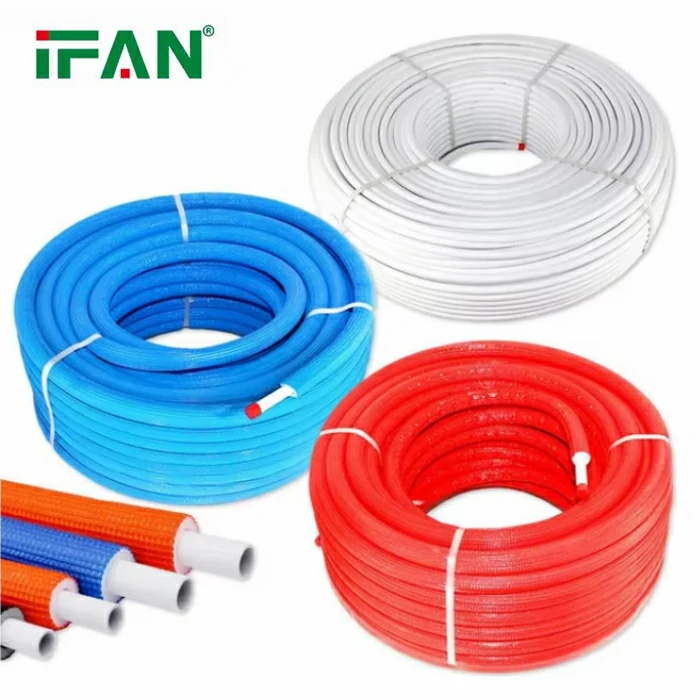
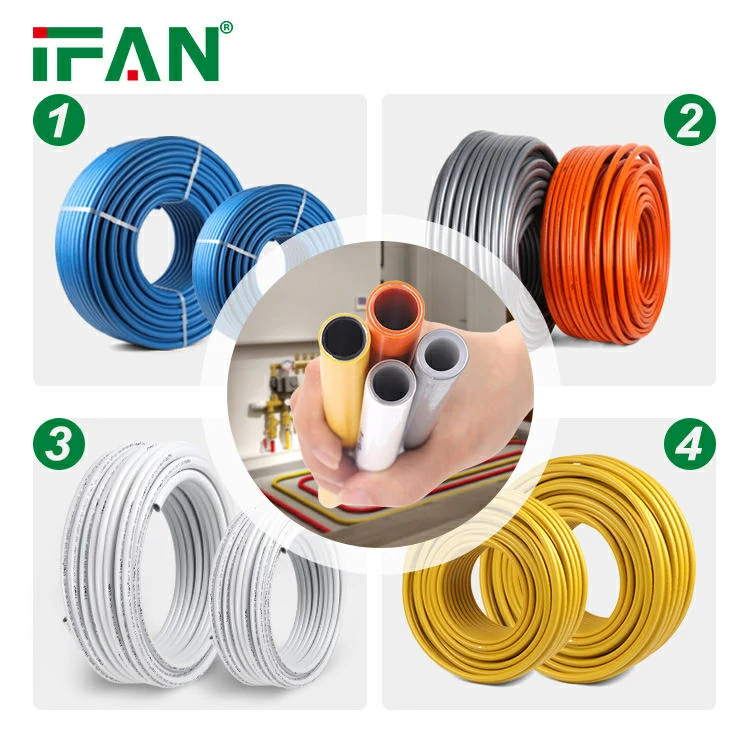
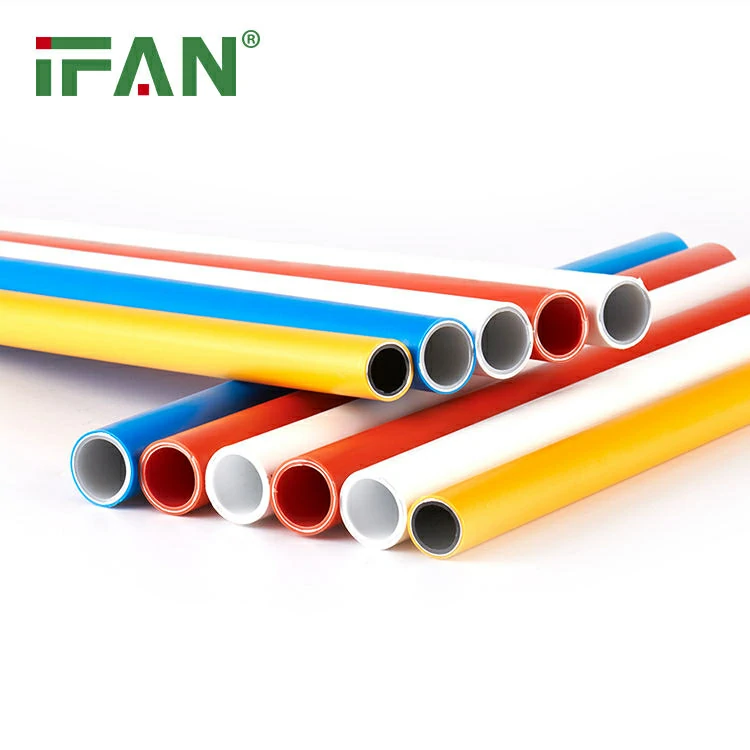
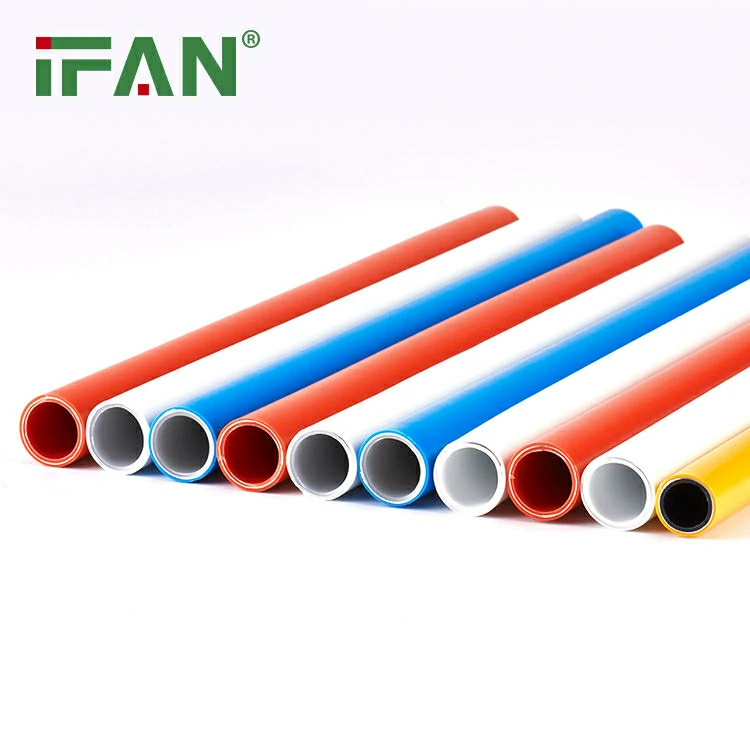
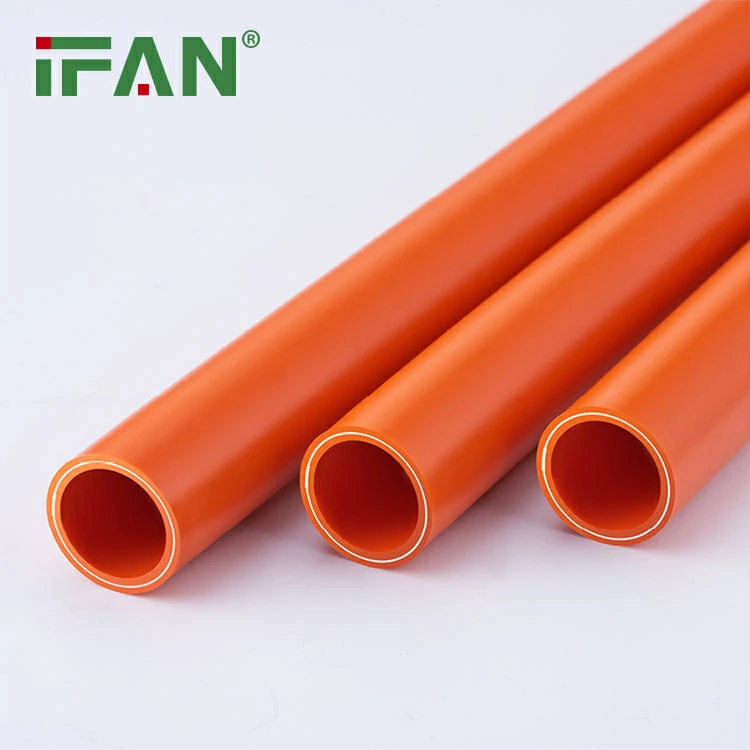
Installing PEX pipe for a bathroom sink is a relatively simple process that can be completed in just a few steps.
- Turn off the water supply to the sink. This can typically be done by turning off the main water valve or by using a valve located near the sink.
- Disconnect the old water supply lines from the sink. Use an adjustable wrench to loosen and remove any nuts or connectors holding the lines in place.
- Measure and cut the PEX pipe to the appropriate length, allowing for some extra length to make connections later.
- Install PEX fittings onto the end of each pipe, using a crimping tool to secure them in place.
- Attach the PEX pipe to the sink using appropriate connectors, such as compression fittings or braided hoses.
- Turn on the water supply and check for any leaks or issues.
Overall, installing PEX pipe to a bathroom sink is a straightforward process that can be completed with minimal tools and experience. However, if you are unsure about any steps or have concerns about your plumbing system, it may be best to consult with a professional plumber.
What is the expected maintenance required for PEX pipe systems?
PEX pipe systems generally require very little maintenance, as they are resistant to corrosion and scale buildup. However, periodic inspections are recommended to check for leaks or damage to the pipes. If any issues are found, they should be promptly repaired to prevent further damage.
It is also important to avoid exposing PEX pipes to excessive heat or UV radiation, which can cause them to degrade over time. Additionally, chemicals such as solvents and adhesives should not come into contact with PEX pipes, as they can cause damage.
Overall, PEX pipe systems are relatively low-maintenance and durable, but regular inspections and proper usage are important for maintaining their longevity and preventing costly repairs.
Can PEX pipe be used in radiant floor heating systems?
Yes, PEX (cross-linked polyethylene) pipe can be used in radiant floor heating systems. PEX is a popular choice for radiant heating because it is flexible and can easily bend to fit the layout of the room. It is also highly resistant to corrosion and scale buildup, which means that it can last for many years without degrading.
PEX piping is typically installed in loops under the flooring or subflooring of a room. Hot water is circulated through the loops, which then transfer heat to the floor and surrounding areas. This creates a comfortable and efficient heating system that can save energy and reduce costs. Overall, PEX piping is a reliable and durable option for radiant floor heating systems.