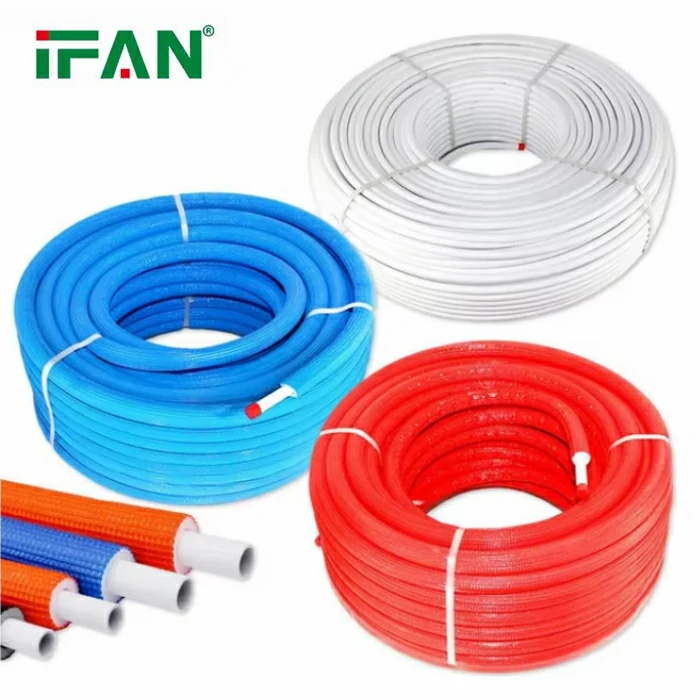
IFAN PEX Loop Length Optimization: The Most Overlooked Step in Floor Heating Design
Your Floor Heating Runs Uneven? The Problem Is Almost Always Loop Length
Most people spend all their energy picking the right boiler and thermostat, but nobody pays attention to how long each loop actually is. Then you move in and realize — the living room is so hot you’re in shorts, but the bedroom still needs a blanket. You blame the boiler. It’s not the boiler. It’s the loop length.
The logic is simple: hot water leaves the manifold, travels through the pipes under the floor, dumps its heat, and comes back. But if a loop is too long, the water temperature drops significantly by the time it reaches the end. The second half of the pipe is basically doing nothing. On the flip side, if a loop is too short, water moves too fast — the floor doesn’t have time to absorb the heat before the water rushes back. Both scenarios waste energy.
Loop length optimization is about making every single meter of pipe do its job.
Why IFAN PEX Pipes Are Built for This
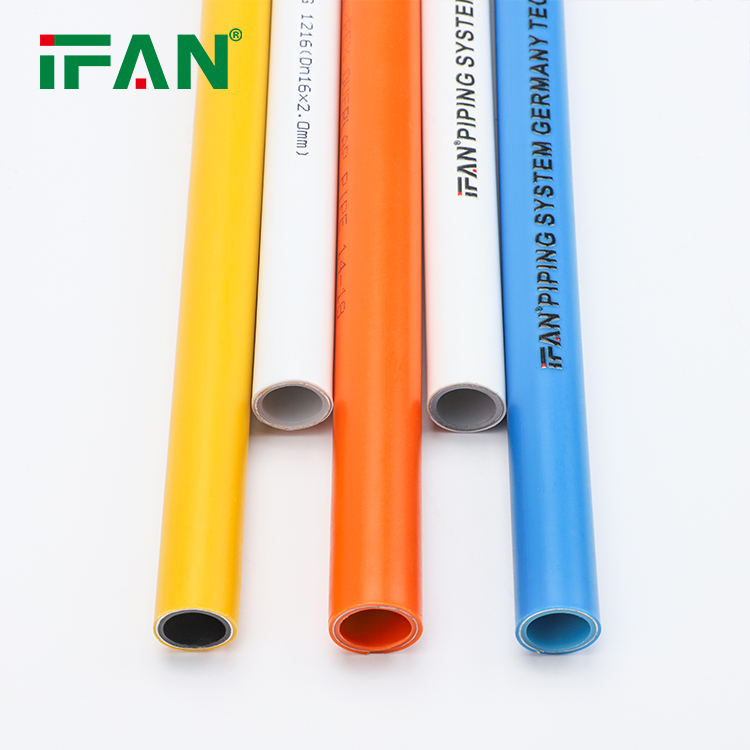
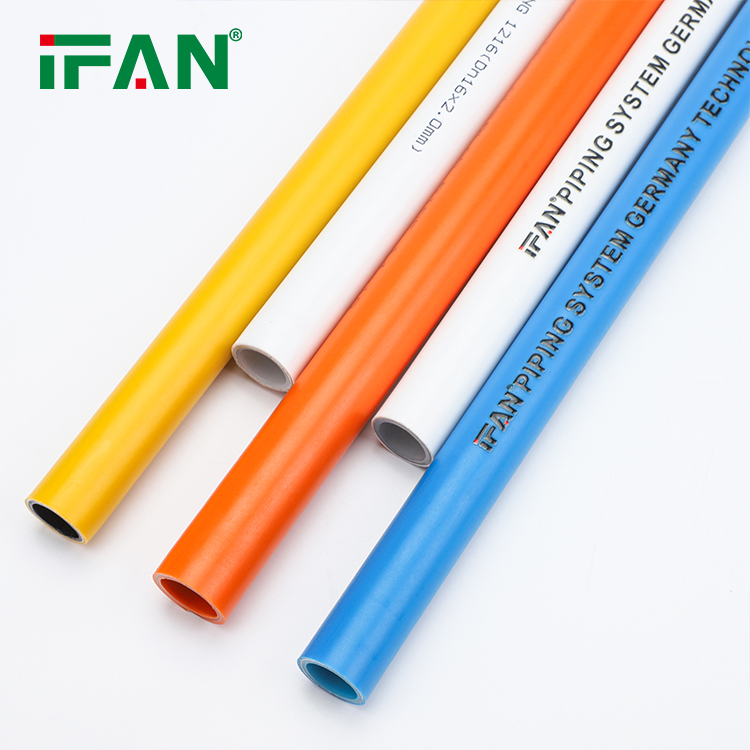
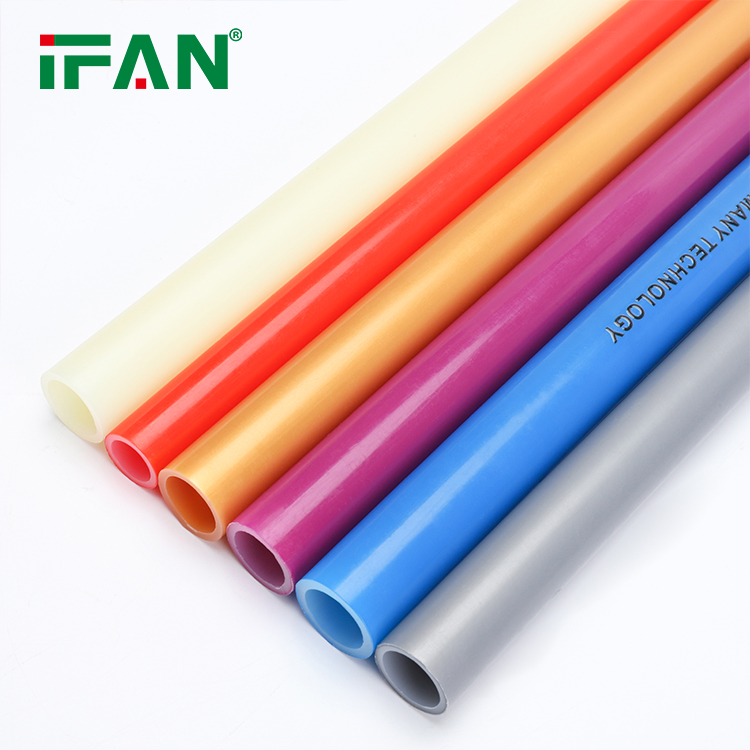
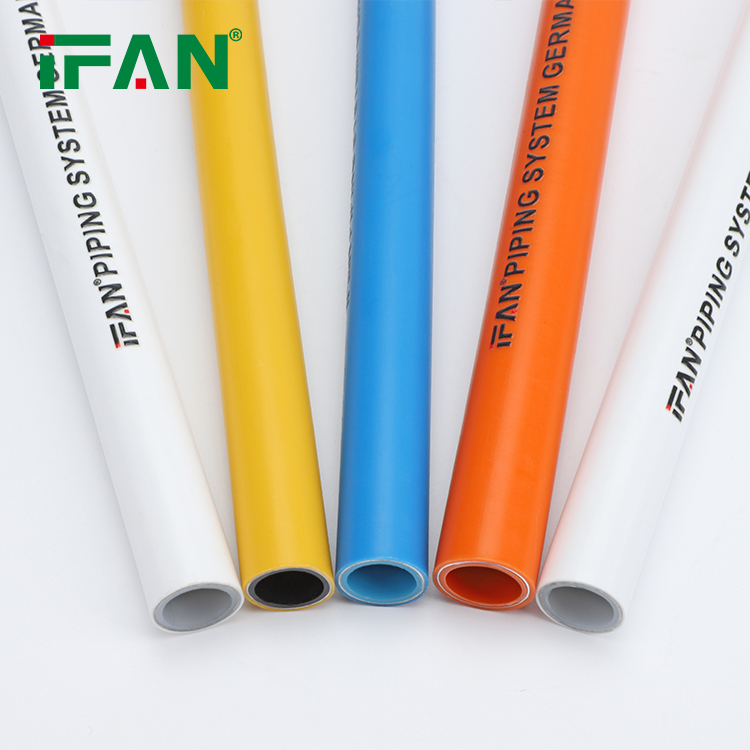
Optimizing loop length starts with the right pipe. IFAN’s PEX pipes — especially PEX-B and PEX-Al-PEX — have clear advantages here.
First, heat and pressure resistance. IFAN PEX handles 95°C continuously and up to 110°C short-term, with working pressure fully covering the 0.4–0.6MPa range of floor heating systems. This means you can run longer single loops without worrying about pressure drop or flow loss at the far end. Compared to PE-RT, PEX has far better creep resistance — the pipe shape stays the same even after decades of high-temperature operation.
Second, flexibility for long loops. IFAN’s 16mm PEX-B pipe has a minimum bend radius of just 5x the diameter — about 8cm. That means even a 100-meter or 120-meter loop can be coiled smoothly without kinking. No stress points, no forced bends, no future leak risks.
Third, zero joints. IFAN PEX comes in 100-meter coils with no connections. Joints are the #1 failure point in buried floor heating. No joints means no weak spots from day one.
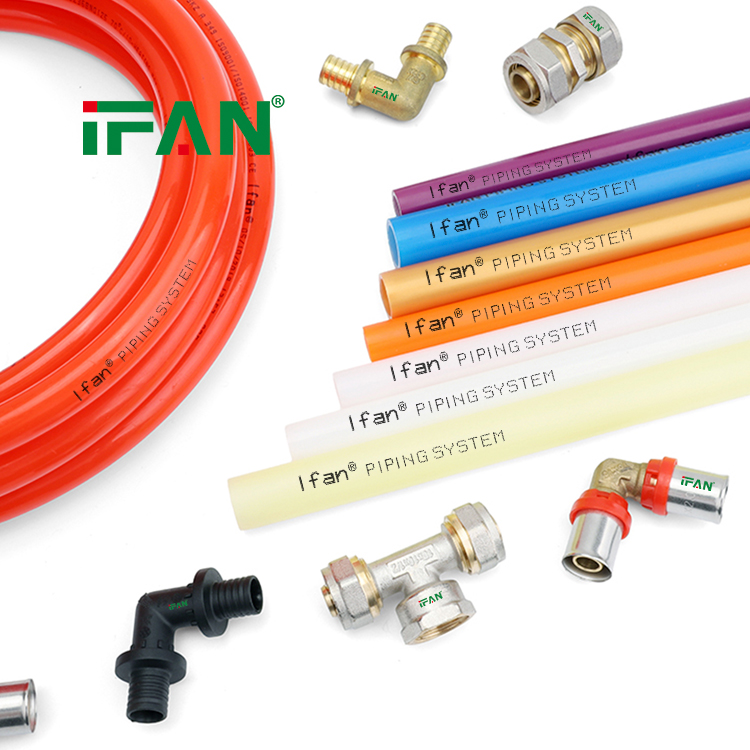
Recommended Loop Lengths by Room Type
Here are practical numbers based on IFAN PEX flow characteristics:
| Room Type | Spacing | Max Loop Length | Recommended Diameter |
|---|---|---|---|
| Living Room (large) | 20cm | 90–110m | 20mm |
| Bedroom (medium) | 15cm | 70–90m | 16mm |
| Bathroom (small) | 10–15cm | 50–70m | 16mm |
| Kitchen | 15–20cm | 60–80m | 16mm |
The golden rule: keep loop length variation under 15% on the same manifold. If the master bedroom loop is 80m, the second bedroom shouldn’t exceed 92m. Bigger differences mean uneven flow distribution — some rooms overheat, others stay cold.
IFAN’s high-spec manifolds come with flow meters, letting installers fine-tune each loop’s initial flow rate. Paired with IFAN PEX’s stable flow performance, you get true hydraulic balance.
A Few Traps to Avoid
Don’t chase length. Some installers push loops to 130m to save pipe. The temperature drop at the end can be 8–10°C, making the floor surface uneven. You’ll feel hot spots and cold spots under your feet.
Water quality matters. Floor heating runs hot for months. Hard water causes scaling and blockage. Use softened water with IFAN PEX, and flush the system every 2–3 seasons. This is how you hit the 50-year lifespan.
Don’t skip insulation. No matter how well you optimize loops, bad insulation sends all your heat downstairs. IFAN’s 40mm high-density polystyrene boards at 25kg/m³ density, combined with a reflective film, can boost thermal efficiency by over 20%.
Bottom line: floor heating is 30% equipment, 70% design. IFAN PEX pipes give you the material foundation. Get the loop lengths right, and you’ve got a heating system buried under your floor that runs flawlessly for fifty years.