Introduction
PP pipe is an extremely versatile and effective solution for a wide range of industrial, commercial, and domestic plumbing and water system applications. PP, or polypropylene, is an advanced thermoplastic polymer material that is renowned for its excellent resistance to impact, high temperatures, chemicals, and abrasion. PP pipe is highly desirable for a wide range of applications, thanks to its incredible flexibility, durability, and reliability. In this article, we’ll explore the question: Is PP pipe flexible?
What is PP pipe?
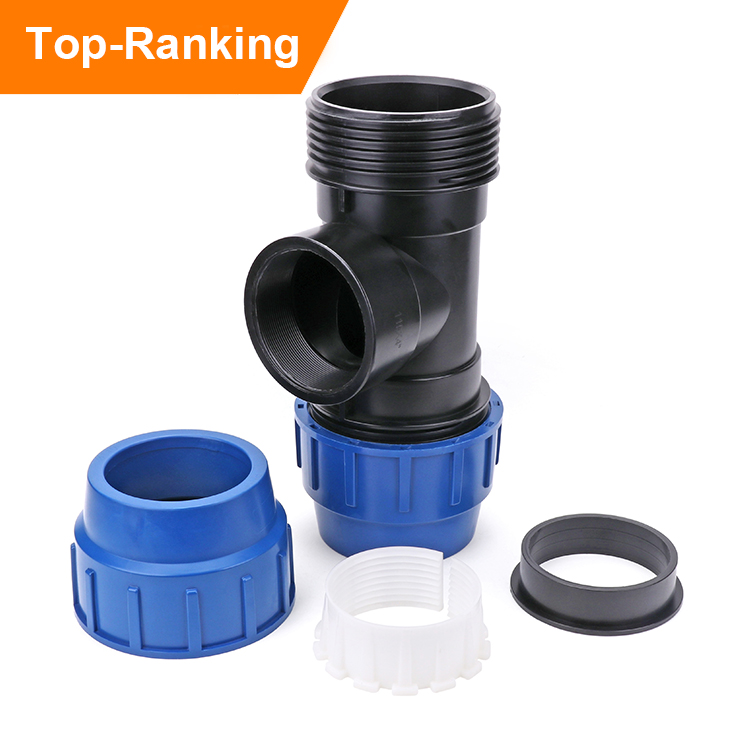
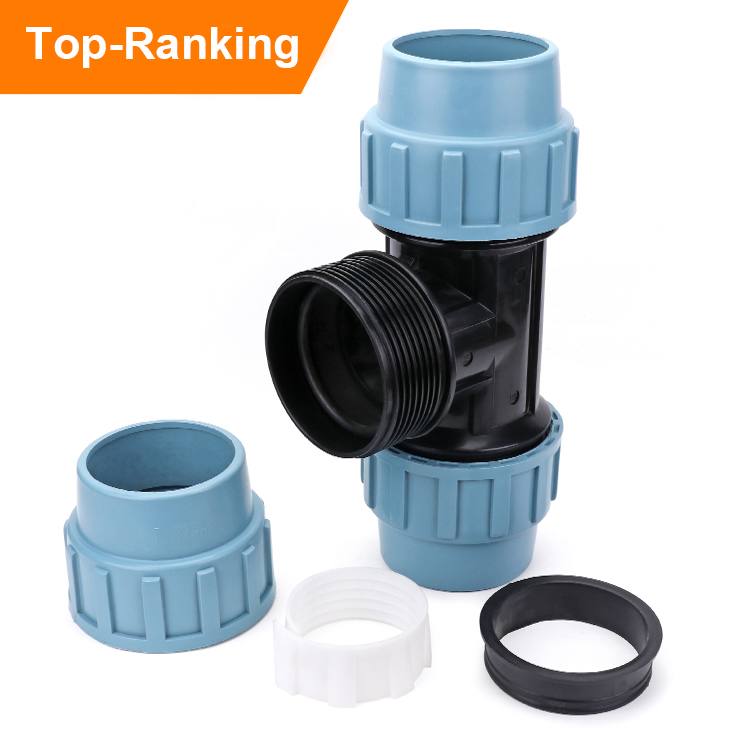
PP pipe is a type of plastic pipe that is commonly used for domestic plumbing, as well as industrial and commercial applications. PP pipes are made from high-quality polypropylene, which is a type of thermoplastic polymer that is famous for its high melting point and fantastic chemical resistance. This makes PP pipe perfect for use in environments where chemicals, heat, and pressure are prevalent, such as in industrial processes, waste management, and water treatment.
Is PP pipe Flexible?
Yes, PP pipe is flexible. One of the significant benefits of PP pipe is that it combines all the advantages of traditional plastic pipes with impressive flexibility. Unlike some other types of pipes, PP pipe is incredibly flexible and can be shaped into any curvature, making it perfect for complex and irregular plumbing systems. Additionally, PP pipes can withstand heavy loads and pressures without cracking or breaking, thanks to their high strength and durability.
Advantages of PP Pipe Flexibility
There are several advantages of using PP pipe flexibility in different plumbing systems and applications. Some of the key advantages of PP pipe flexibility include:
- Easy Installation: PP pipe is very easy to install, thanks to its high flexibility. It can be bent and manipulated easily to fit into any design, which makes it ideal for a wide range of applications.
- Cost-Effective: The flexibility of PP pipe makes it highly cost-effective, as it can be used to replace metal pipes in many applications without the need for expensive fittings or time-consuming installation techniques.
- High Chemical Resistance: PP pipe is highly resistant to chemicals, which makes it ideal for use in harsh environments and industrial processes.
- Low Thermal Expansion: PP pipe has low thermal expansion, which makes it an excellent thermal conductor and an ideal choice for use in applications that need low-temperature gradients to maintain an optimal temperature.
Conclusion
In conclusion, PP pipe is highly flexible, making it an ideal choice for industrial, commercial and domestic plumbing and water system applications. Its flexibility, combined with its excellent strength, durability, and chemical resistance, makes it a popular choice for use in a wide range of applications. PP pipe is an affordable alternative to traditional metal pipes that are harder to install and maintain. As a result, it has become popular for use in applications where cost and ease of installation are critical factors.