
Introduction
PVC pipes are integral to many infrastructure projects, providing solutions for plumbing, irrigation, and other utilities. However, when improperly secured or left uncovered, these pipes can pose unexpected hazards. This reality became all too clear in a dramatic incident in Kansas, where a toddler fell into a PVC pipe, leading to a tense but successful rescue operation. This article explores the incident, the safety considerations around PVC pipes, and ways to ensure they remain assets, not liabilities.

The Incident: A Kansas Toddler’s Unexpected Ordeal
In a quiet Kansas neighborhood, a playful afternoon turned into a frantic rescue mission. A two-year-old toddler, wandering in a backyard construction area, accidentally fell into an uncovered PVC pipe. The pipe, part of an unfinished irrigation system, was wide enough for the child to slip through but too narrow for them to climb out.
Immediate Response
The family, realizing the child’s predicament, quickly alerted emergency services. Rescue teams arrived promptly, assessing the situation and devising a strategy to extract the child safely.
The Rescue Operation
Using advanced equipment and precise coordination, the rescue team carefully widened the surrounding area without causing further harm to the child. After nearly two hours of meticulous effort, the toddler was safely pulled out of the PVC pipe, unharmed but shaken.
PVC Pipes: The Backbone of Modern Infrastructure
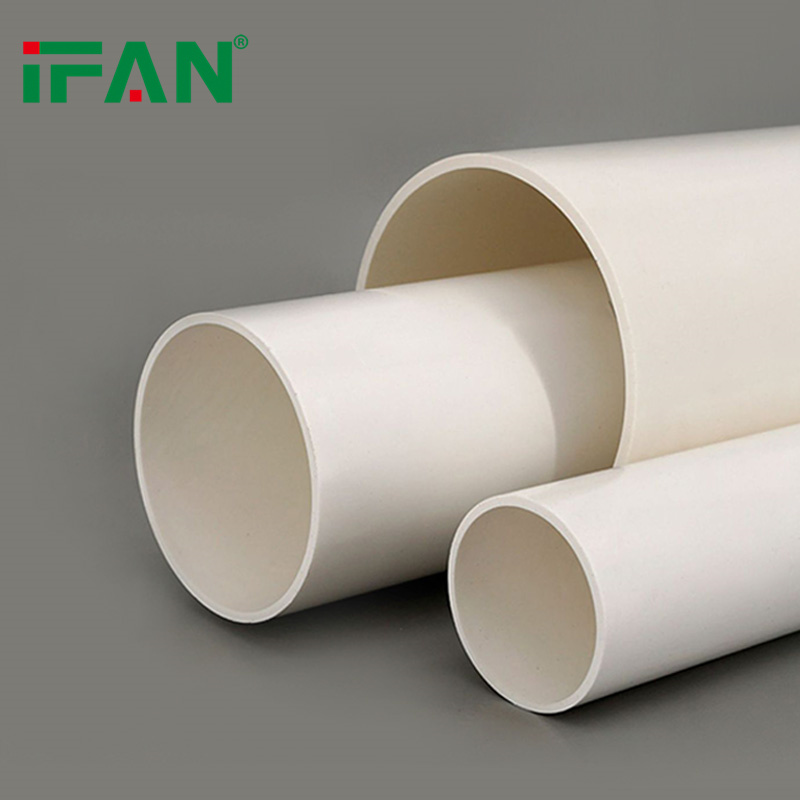
PVC pipes are widely used in residential, commercial, and industrial settings due to their durability, affordability, and versatility. However, incidents like the one in Kansas highlight the need for proper handling and installation of these pipes.
Why Are PVC Pipes So Common?
- Durability: Resistant to corrosion and wear, PVC pipes can last decades.
- Lightweight: Easy to transport and install, even in remote areas.
- Affordability: Cost-effective compared to alternatives like metal pipes.
- Eco-Friendly: PVC pipes are recyclable and have a lower carbon footprint over their lifecycle.
Despite their many advantages, PVC pipes must be handled responsibly to ensure safety for both humans and the environment.
The Hidden Risks of Improper PVC Pipe Handling
While PVC pipes are generally safe, mishandling or neglect can lead to accidents:
1. Uncovered Pipes
As seen in the Kansas incident, uncovered PVC pipes can become traps, particularly for children or small animals.
2. Weak Installation
Improperly secured pipes may collapse or cause flooding in case of high pressure.
3. Environmental Hazards
If discarded irresponsibly, PVC pipes can harm wildlife or contribute to pollution.
Safety Tips for PVC Pipe Installation and Maintenance
To avoid accidents like the Kansas toddler incident, consider these safety measures:
- Cover Unused Pipes
Always secure the open ends of PVC pipes during construction or maintenance to prevent objects or individuals from falling in. - Regular Inspections
Inspect PVC pipes periodically for damages, leaks, or improper installations. - Proper Marking
Label buried or exposed pipes to alert people to their presence, reducing the risk of accidental damage. - Professional Installation
Hire qualified professionals for PVC pipe installations to ensure they meet safety standards. - Secure Temporary Pipes
In ongoing projects, ensure temporary PVC pipes are properly supported and covered.
The Importance of Emergency Preparedness
The Kansas toddler’s rescue highlights the importance of being prepared for unexpected emergencies involving infrastructure. Whether at home or in a construction zone, having a plan in place can save lives.
Key Takeaways from the Rescue
- Swift Communication: The family’s quick response was crucial.
- Expert Intervention: Rescue professionals used the right tools and techniques to ensure a safe outcome.
- Awareness: Understanding potential risks around PVC pipes can prevent future incidents.
Conclusion
PVC pipes are invaluable in modern infrastructure, but their benefits come with responsibilities. Proper installation, regular maintenance, and awareness of potential hazards are essential to maximizing their utility while minimizing risks. The Kansas toddler’s rescue serves as a reminder of these responsibilities and the importance of safety protocols in every environment.
FAQs About PVC Pipes
1. What are the main uses of PVC pipes?
PVC pipes are commonly used for plumbing, irrigation, drainage systems, and electrical conduits.
2. How can I ensure PVC pipes are installed safely?
Work with certified professionals and follow manufacturer guidelines to ensure proper installation and safety compliance.
3. Are PVC pipes safe for outdoor use?
Yes, PVC pipes are weather-resistant and suitable for outdoor use, but UV-resistant coatings can enhance their durability.
4. How should unused PVC pipes be stored?
Store PVC pipes in a covered, secure area and cap open ends to prevent debris, animals, or accidents.
5. Can PVC pipes be recycled?
Yes, PVC pipes are recyclable, and many recycling facilities accept them to reduce environmental waste.
