Introduction
Water scarcity is a pressing global issue, with millions of people lacking access to clean and safe drinking water. In response to this challenge, governments and organizations worldwide are seeking innovative solutions to improve water management and reduce waste. One such solution gaining traction is the use of Polypropylene Random Copolymer (PPR) pipes. The Ministry of Water Resources has recently welcomed the adoption of PPR pipes as a strategic initiative to minimize water loss in distribution systems. This article explores the benefits of PPR pipes, their role in enhancing water management, and how they can contribute to sustainable development.
Understanding PPR Pipes
What are PPR Pipes?
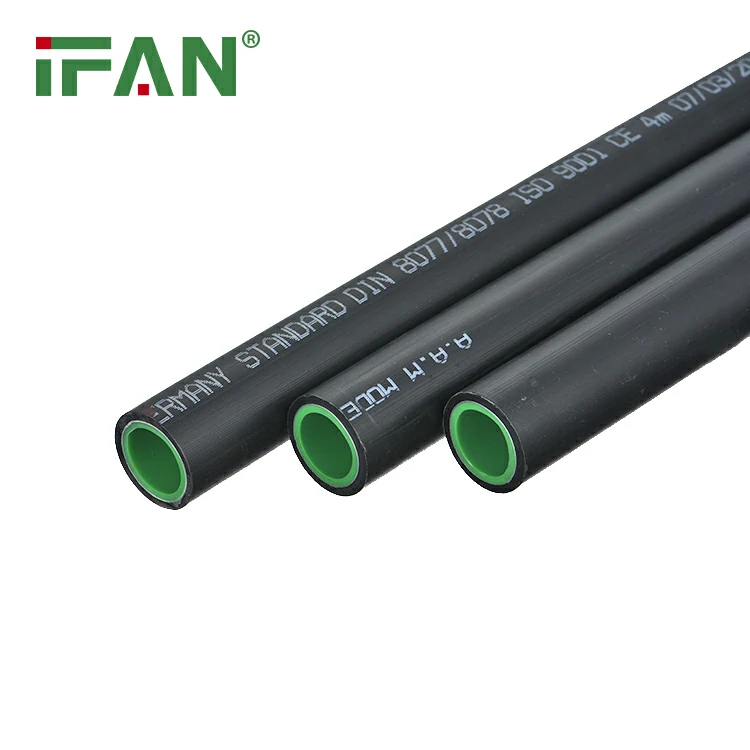
PPR pipes are a type of thermoplastic piping system made from Polypropylene Random Copolymer. They are widely used in plumbing, irrigation, and industrial applications due to their superior properties. PPR pipes are known for their durability, lightweight design, and resistance to corrosion, making them an ideal choice for various water transport needs.
Key Benefits of PPR Pipes
- Durability: PPR pipes have an impressive lifespan, often exceeding 50 years. Their robust construction allows them to withstand high pressures and temperature fluctuations, making them suitable for both hot and cold water applications.
- Corrosion Resistance: Unlike metal pipes, PPR pipes do not rust or corrode. This characteristic ensures that the water transported remains clean and safe for consumption, reducing the risk of contamination.
- Leak-Free Performance: The jointing technology used for PPR pipes ensures a leak-free performance, which is critical in minimizing water loss. This feature is particularly important in areas where water scarcity is a concern.
- Thermal Insulation: PPR pipes offer excellent thermal insulation properties, helping to maintain the temperature of the water being transported. This is especially beneficial for hot water systems, reducing energy consumption.
- Eco-Friendly: PPR pipes are produced with minimal environmental impact and are fully recyclable. Their production process is energy-efficient, aligning with global sustainability goals.
The Role of PPR Pipes in Water Management
Addressing Water Loss
Water loss in distribution systems is a significant challenge faced by many municipalities. Aging infrastructure, leaks, and inefficient piping materials contribute to this problem, leading to substantial economic losses and reduced access to clean water. The Ministry of Water Resources recognizes that adopting PPR pipes can significantly mitigate these issues.
- Reducing Leakage: The leak-free joints of PPR pipes minimize the risk of water loss during transport. This is particularly crucial in regions where water is scarce, as every drop counts.
- Improving Efficiency: PPR pipes are designed for optimal flow rates, reducing the energy required to pump water through the system. This efficiency not only lowers operational costs but also enhances the overall performance of water distribution networks.
- Extending Infrastructure Lifespan: By replacing outdated piping materials with PPR pipes, municipalities can extend the lifespan of their water infrastructure. This proactive approach reduces the frequency of repairs and replacements, ultimately saving money in the long run.
Enhancing Water Quality
The quality of water is paramount for public health. PPR pipes contribute to maintaining water quality by preventing contamination from rust or chemical leaching, which can occur with traditional metal pipes. The Ministry’s endorsement of PPR pipes emphasizes the importance of using high-quality materials to ensure safe drinking water for communities.
Sustainable Development and PPR Pipes
Supporting Sustainable Practices
The adoption of PPR pipes aligns with global sustainability initiatives aimed at conserving water resources and promoting responsible water management. The Ministry of Water Resources is committed to implementing practices that reduce waste and improve efficiency in water distribution.
- Water Conservation: By minimizing leaks and ensuring efficient water transport, PPR pipes play a crucial role in water conservation efforts. This is particularly important in regions facing water scarcity and drought.
- Reducing Environmental Impact: PPR pipes are produced with minimal environmental impact and are fully recyclable. This eco-friendly approach supports the Ministry’s goals of promoting sustainable practices in water management.
- Encouraging Innovation: The Ministry’s support for PPR pipes encourages innovation in the water sector. By adopting advanced materials and technologies, municipalities can improve their water management systems and better serve their communities.
Economic Benefits
Investing in PPR pipes can yield significant economic benefits for municipalities and governments. The reduced water loss translates to lower operational costs and improved revenue from water sales. Additionally, the long lifespan of PPR pipes means fewer resources are spent on repairs and replacements.
Case Studies: Successful Implementation of PPR Pipes
Municipal Water Projects
Several municipalities have successfully implemented PPR pipes in their water distribution systems, leading to remarkable improvements in efficiency and water quality. These case studies highlight the positive impact of adopting PPR technology.
- City A: After replacing aging metal pipes with PPR pipes, City A reported a 30% reduction in water loss within the first year. The improved efficiency of the PPR pipes also resulted in lower energy costs for pumping water.
- City B: In City B, the implementation of PPR pipes in the irrigation system led to a 25% increase in water conservation. Farmers reported better crop yields due to more efficient water delivery, demonstrating the benefits of PPR pipes in agricultural applications.
- City C: City C adopted PPR pipes for its residential water supply, which resulted in enhanced water quality and reduced maintenance costs. Residents expressed satisfaction with the improved reliability of their water supply.
The Future of PPR Pipes in Water Management
Expanding Adoption
As awareness of the benefits of PPR pipes continues to grow, more municipalities are expected to adopt this innovative technology. The Ministry of Water Resources is actively promoting the use of PPR pipes as part of its broader strategy to enhance water management and reduce waste.
Research and Development
Ongoing research and development in the field of PPR pipe technology will lead to further advancements in materials and manufacturing processes. This will enhance the performance and sustainability of PPR pipes, ensuring they remain a viable solution for water management in the future.
Training and Education
To maximize the benefits of PPR pipes, the Ministry is committed to providing training and education for municipal staff and contractors. This will ensure that best practices are followed during installation and maintenance, further reducing the risk of water loss.
Conclusion
The Ministry of Water Resources’ endorsement of PPR pipes represents a significant step towards addressing the critical issue of water loss in distribution systems. With their durability, leak-free performance, and eco-friendly properties, PPR pipes are poised to play a crucial role in enhancing water management and promoting sustainable practices. As more municipalities adopt this innovative technology, the potential for improved water conservation and quality becomes increasingly attainable, paving the way for a more sustainable future.
FAQs
- What are PPR pipes made of?
- PPR pipes are made from Polypropylene Random Copolymer, a durable and corrosion-resistant thermoplastic material.
- How do PPR pipes help reduce water loss?
- PPR pipes feature leak-free joints and excellent flow rates, minimizing the risk of leaks and ensuring efficient water transport.
- Are PPR pipes safe for drinking water?
- Yes, PPR pipes do not rust or corrode, ensuring that the water transported remains clean and safe for consumption.
- What are the environmental benefits of using PPR pipes?
- PPR pipes are recyclable, produced with minimal environmental impact, and help conserve water resources by reducing leaks.
- How long do PPR pipes last?
- PPR pipes typically have a lifespan of over 50 years, making them a reliable choice for water distribution systems.