Introduction
In the world of plumbing and piping systems, the evolution of materials has led to significant advancements in efficiency, durability, and sustainability. Among these innovations, PE-RT (Polyethylene of Raised Temperature Resistance) tubing has emerged as a noteworthy contender, often compared to its more established counterpart, PEX (crosslinked polyethylene). In this article, we will explore the characteristics of PE-RT tubing, the advantages of PEX, and the role of PPR (Polypropylene Random Copolymer) pipes in modern plumbing systems. By understanding these materials, homeowners, builders, and contractors can make informed decisions for their projects.
Understanding PE-RT Tubing
What is PE-RT?
PE-RT is a type of polyethylene that has been specifically designed to withstand higher temperatures compared to standard polyethylene. This material is often used in hot water applications, making it a popular choice for both residential and commercial plumbing systems. PE-RT tubing is flexible, lightweight, and resistant to both corrosion and scaling, which contributes to its growing popularity.
Key Features of PE-RT Tubing
- Temperature Resistance: PE-RT can handle temperatures up to 80°C (176°F), making it suitable for hot water applications.
- Flexibility: The tubing can bend easily, allowing for quick installation and reducing the need for additional fittings.
- Chemical Resistance: PE-RT is resistant to many chemicals, which enhances its durability in various environments.
- Low Thermal Conductivity: The material helps maintain the temperature of the water flowing through it, minimizing heat loss.
The Rise of PEX Pipe
What is PEX?
PEX, or crosslinked polyethylene, is a versatile piping material that has gained immense popularity in plumbing systems over the last few decades. Its unique structure is created through a process that links polyethylene molecules, resulting in a material that is both strong and flexible.
Advantages of PEX Pipes
- Superior Flexibility: PEX pipes can easily bend and curve, allowing for easier installation in tight spaces.
- Corrosion Resistance: Unlike metal pipes, PEX does not corrode, which prolongs its lifespan and reduces maintenance costs.
- Thermal Efficiency: PEX pipes are excellent at retaining the temperature of hot water, which contributes to energy savings.
- Reduced Noise: The material dampens sound, making plumbing systems quieter compared to traditional metal pipes.
- Cost-Effective: PEX is generally more affordable than other materials, making it a popular choice for both DIY projects and professional installations.
The Role of PPR Pipes in Plumbing Systems
What is PPR?
PPR, or Polypropylene Random Copolymer, is another popular piping material used in plumbing applications. It is known for its durability, chemical resistance, and ability to handle high-pressure systems.
Advantages of PPR Pipes
- Long Lifespan: PPR pipes can last over 50 years, making them a reliable choice for plumbing systems.
- Chemical Resistance: PPR can withstand a wide range of chemicals, making it suitable for various applications, including potable water systems.
- Thermal Insulation: PPR pipes offer excellent thermal insulation properties, which can lead to increased energy efficiency in hot water systems.
- Recyclability: PPR is recyclable, contributing to sustainability efforts in construction.
- Ease of Installation: PPR pipes are lightweight and easy to handle, which simplifies the installation process.
Comparing PE-RT, PEX, and PPR
Performance Characteristics
When comparing PE-RT, PEX, and PPR pipes, several performance characteristics come into play:
- Temperature Tolerance: PE-RT and PEX both handle hot water applications well, but PE-RT has a slightly higher temperature tolerance. PPR also performs well in hot water applications but may not be as flexible as PEX and PE-RT.
- Flexibility: PEX and PE-RT are both highly flexible, making them easier to install in complex layouts. PPR is less flexible and may require more fittings.
- Chemical Resistance: While all three materials offer good chemical resistance, PPR is particularly noted for its ability to withstand a wide range of chemicals, making it suitable for various industrial applications.
Installation Considerations
- Ease of Installation: PEX and PE-RT are easier to install due to their flexibility, which reduces the need for additional fittings. PPR, while still manageable, may require more effort during installation due to its rigidity.
- Connection Methods: PEX requires specific fittings and crimping tools, while PE-RT can be connected using standard fittings. PPR is typically joined using heat fusion methods, which can be more labor-intensive.
- Cost: PEX is often the most cost-effective option, followed closely by PE-RT and then PPR. However, the long-term savings from using PPR due to its durability can offset the initial costs.
Environmental Considerations
Sustainability
As the construction industry moves towards more sustainable practices, the environmental impact of piping materials is becoming increasingly important. All three materials—PE-RT, PEX, and PPR—offer advantages in terms of sustainability:
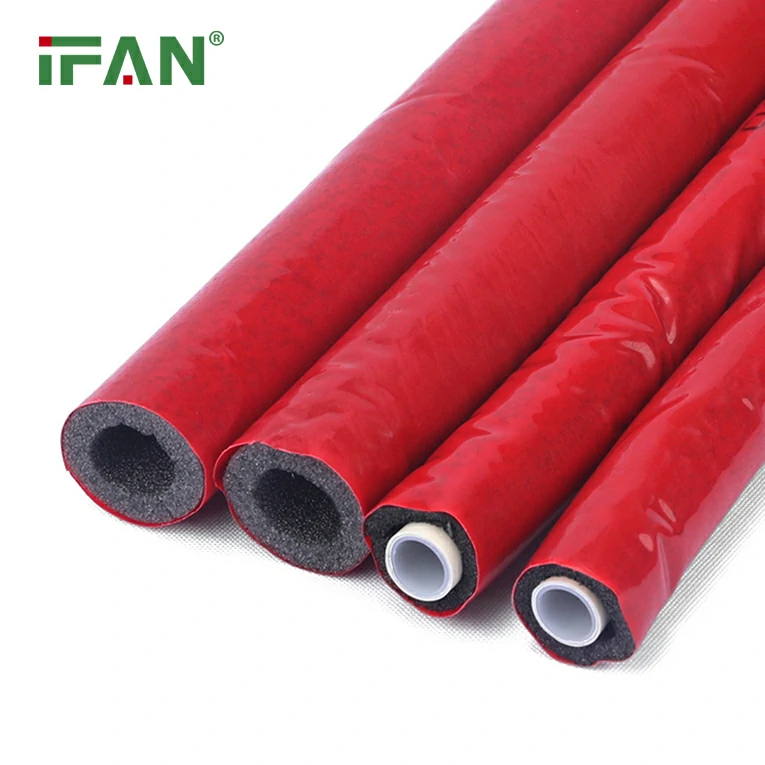
- Recyclability: PPR is fully recyclable, and many manufacturers are focusing on producing PEX and PE-RT with recycled content.
- Energy Efficiency: PEX and PE-RT are excellent at retaining heat, which can lead to reduced energy consumption in heating applications.
- Longevity: The durability of PPR pipes means they need to be replaced less frequently, reducing waste over time.
Future Trends in Tubing Materials
Innovations in Tubing Technology
The future of plumbing tubing materials is bright, with ongoing innovations aimed at improving performance and sustainability. Some trends to watch include:
- Enhanced Materials: Research is ongoing to develop new formulations of PEX, PE-RT, and PPR that offer even greater durability and flexibility.
- Smart Technologies: The integration of smart technologies into plumbing systems is becoming more common, allowing for better monitoring and management of water usage.
- Sustainable Practices: Manufacturers are increasingly focusing on sustainable production methods, including using recycled materials and reducing energy consumption during manufacturing.
Market Growth
The global market for plumbing pipes is expected to grow significantly in the coming years. As more homeowners and builders prioritize sustainability and energy efficiency, the demand for innovative materials like PE-RT, PEX, and PPR will continue to rise.
Conclusion
The evolution of tubing materials such as PE-RT, PEX, and PPR has revolutionized the plumbing industry, offering homeowners and builders a variety of options to choose from. Each material has its unique advantages, making it essential to consider the specific needs of a project when selecting piping. By understanding the benefits and characteristics of PE-RT, PEX, and PPR, you can make informed decisions that enhance the efficiency and sustainability of your plumbing systems.
Frequently Asked Questions (FAQs)
1. What is the main advantage of PE-RT over PEX?
PE-RT has a higher temperature tolerance than PEX, making it suitable for hot water applications where higher temperatures are required.
2. How do PPR pipes compare to PEX and PE-RT in terms of installation?
PPR pipes are generally less flexible than PEX and PE-RT, which may require more fittings and effort during installation. PPR is typically joined using heat fusion methods.
3. Are PEX and PE-RT pipes recyclable?
Yes, both PEX and PE-RT pipes can be recycled, although the recycling infrastructure may vary by region.
4. Which piping material is the most cost-effective for residential plumbing?
PEX is often the most cost-effective option for residential plumbing due to its lower material costs and ease of installation.
5. Can PPR pipes be used for hot water applications?
Yes, PPR pipes are suitable for hot water applications, but their flexibility may be less than that of PEX and PE-RT, which could affect installation in complex layouts.