
Introduction
The plumbing industry has seen significant advancements in materials over the past few decades, with PEX (cross-linked polyethylene) pipes emerging as a popular choice for residential and commercial plumbing applications. However, while PEX pipes gain traction, it is essential to recognize the role of other materials, such as PPR (Polypropylene Random Copolymer) pipes, in the market. This article will explore the PEX pipe market size, share, trends, and growth projections up to 2032, while also highlighting the benefits and applications of PPR pipes.
Understanding PEX and PPR Pipes
What are PEX Pipes?
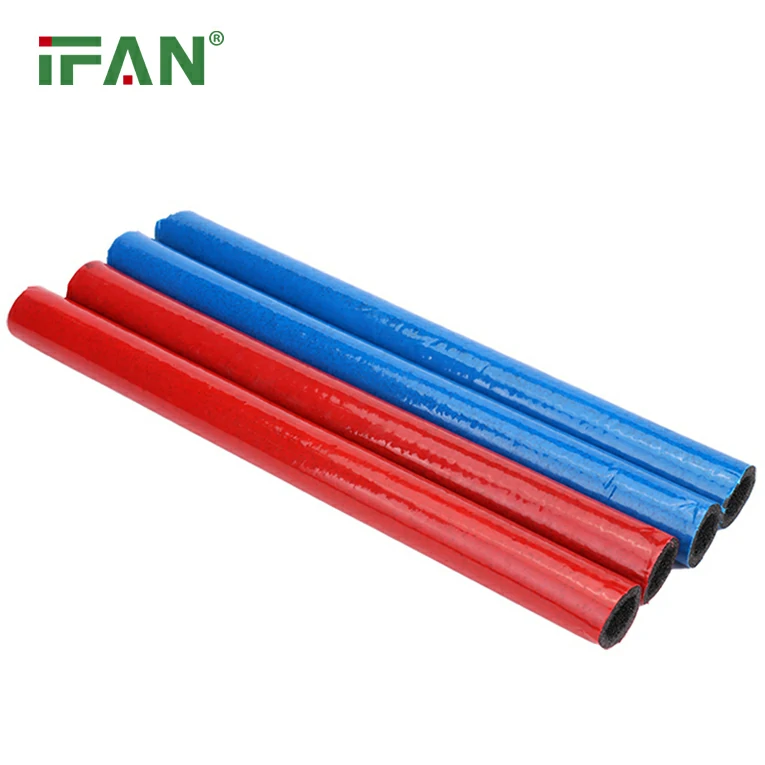
PEX pipes are flexible plastic pipes made from cross-linked polyethylene. They are known for their resistance to corrosion, low thermal conductivity, and ease of installation. PEX pipes are commonly used for hot and cold water supply lines, radiant heating systems, and even fire sprinkler systems. Their flexibility allows for easy navigation through walls and tight spaces, making them a preferred choice for many plumbers.
What are PPR Pipes?
PPR pipes are made from Polypropylene Random Copolymer, a material known for its durability, high-temperature resistance, and chemical resistance. PPR pipes are widely used in plumbing, heating, and industrial applications. They are particularly advantageous in regions with extreme temperatures due to their ability to withstand thermal expansion and contraction without compromising integrity.
PEX Pipe Market Overview
Market Size and Share
As of 2023, the global PEX pipe market was valued at approximately $3.5 billion, with projections indicating significant growth over the next decade. By 2032, the market size is expected to reach around $6.5 billion, reflecting a compound annual growth rate (CAGR) of approximately 7.5%. The increasing demand for PEX pipes in residential and commercial plumbing applications is driving this growth.
Key Drivers of Market Growth
- Rising Construction Activities: The global construction industry is witnessing a boom, particularly in emerging economies. The increasing number of residential and commercial buildings is driving the demand for efficient plumbing solutions, including PEX pipes.
- Advantages of PEX Over Traditional Materials: PEX pipes offer several advantages over traditional materials like copper and PVC, including flexibility, resistance to freezing, and lower installation costs. These benefits are encouraging more builders and plumbers to adopt PEX in their projects.
- Government Initiatives: Many governments worldwide are promoting the use of eco-friendly materials in construction. PEX pipes, being recyclable and energy-efficient, align with these initiatives, further boosting their adoption.
- Technological Advancements: Innovations in PEX pipe manufacturing and installation techniques are enhancing the efficiency and reliability of PEX systems. These advancements are attracting more professionals to consider PEX for their plumbing needs.
Market Segmentation
The PEX pipe market can be segmented based on type, application, and region:
- By Type: The market is divided into PEX-a, PEX-b, and PEX-c types, with PEX-a being the most flexible and widely used.
- By Application: Applications include residential plumbing, commercial plumbing, HVAC systems, and fire protection systems.
- By Region: The market is analyzed across North America, Europe, Asia-Pacific, Latin America, and the Middle East and Africa.
Trends Influencing the PEX Pipe Market
Growing Preference for Sustainable Solutions
As environmental concerns rise, there is a growing preference for sustainable materials in construction. PEX pipes are recyclable and have a lower carbon footprint compared to traditional plumbing materials. This trend is influencing builders and contractors to opt for PEX in their projects.
Increasing Adoption of Smart Plumbing Solutions
The integration of technology in plumbing systems is on the rise, with smart plumbing solutions gaining popularity. PEX pipes are compatible with smart home technologies, allowing for better monitoring and control of water usage. This trend is expected to drive the demand for PEX pipes in modern plumbing systems.
Focus on Water Conservation
With water scarcity becoming a pressing global issue, there is an increasing focus on water conservation techniques. PEX pipes, with their efficient flow characteristics and resistance to leaks, are becoming a preferred choice for water-saving plumbing solutions.
PPR Pipe Market Overview
While the focus of this article is on the PEX pipe market, it is essential to acknowledge the role of PPR pipes in the plumbing industry. The global PPR pipe market has also been growing steadily, with an estimated market size of $2 billion in 2023, projected to reach $3.5 billion by 2032, growing at a CAGR of around 6.5%.
Key Advantages of PPR Pipes
- Durability: PPR pipes have a long lifespan, often exceeding 50 years, making them a reliable choice for plumbing systems.
- High-Temperature Resistance: PPR pipes can withstand high temperatures, making them suitable for hot water applications and industrial processes.
- Chemical Resistance: PPR pipes are resistant to a wide range of chemicals, making them ideal for industrial and chemical processing applications.
- Eco-Friendly: PPR pipes are fully recyclable, contributing to sustainable building practices.
Comparative Analysis: PEX vs. PPR Pipes
When choosing between PEX and PPR pipes, several factors should be considered:
- Application: PEX pipes are often preferred for residential plumbing and heating systems, while PPR pipes are more commonly used in industrial and high-temperature applications.
- Installation Method: PEX pipes are typically installed using crimping or expansion methods, while PPR pipes are joined using heat fusion techniques.
- Cost: PEX pipes tend to be more affordable in terms of material and installation costs, while PPR pipes may offer long-term savings due to their durability.
Conclusion
The PEX pipe market is poised for significant growth in the coming years, driven by rising construction activities, technological advancements, and a growing preference for sustainable solutions. While PEX pipes dominate the market, it is essential to recognize the advantages of PPR pipes, which also play a vital role in the plumbing industry. By understanding the trends and dynamics of both markets, stakeholders can make informed decisions that align with their plumbing needs.
FAQs
- What are the main advantages of PEX pipes?
- PEX pipes offer flexibility, resistance to freezing, ease of installation, and cost-effectiveness compared to traditional materials.
- How do PPR pipes compare to PEX pipes?
- PPR pipes excel in durability and high-temperature resistance, while PEX pipes are favored for their flexibility and ease of installation.
- What is the expected growth rate of the PEX pipe market?
- The PEX pipe market is projected to grow at a CAGR of approximately 7.5%, reaching around $6.5 billion by 2032.
- Are PEX pipes suitable for hot water applications?
- Yes, PEX pipes are suitable for both hot and cold water applications, making them versatile for various plumbing needs.
- What factors should I consider when choosing between PEX and PPR pipes?
- Consider the application, installation method, cost, and specific project requirements when deciding between PEX and PPR pipes.
