Introduction
This year marks a significant milestone in the plumbing industry—Uponor’s PEX (cross-linked polyethylene) pipe turns 50. Since its introduction, PEX has revolutionized plumbing systems worldwide, offering countless advantages over traditional materials. While PEX has become a household name, it’s essential to recognize and compare its performance with other piping materials, such as PPR (Polypropylene Random Copolymer) pipes. This article will explore the journey of Uponor’s PEX pipe, its innovations, and how it stands up against PPR pipes in various applications.
The Evolution of PEX Pipes
A Brief History
Uponor, originally founded in Finland, played a pivotal role in the development and popularization of PEX piping. In the early 1970s, PEX was introduced as a flexible, durable, and corrosion-resistant alternative to traditional materials like copper and PVC. Its unique cross-linking process enhances the pipe’s strength and heat resistance, making it ideal for hot and cold water applications.
Key Innovations
Over the past five decades, Uponor has continuously innovated its PEX pipe technology. Some key advancements include:
- Improved Manufacturing Processes: Advances in manufacturing techniques have led to higher quality PEX pipes that are less prone to defects and failures.
- Enhanced Fittings and Connections: The development of specialized fittings and connection systems has made it easier to install PEX piping, reducing the risk of leaks and ensuring long-lasting performance.
- Increased Temperature and Pressure Ratings: Uponor has improved the temperature and pressure ratings of its PEX pipes, allowing them to be used in a wider range of applications, including radiant heating systems and high-demand plumbing installations.
Advantages of PEX Pipes
1. Flexibility and Ease of Installation
One of the most significant advantages of PEX pipes is their flexibility. PEX can bend around corners and fit into tight spaces without the need for numerous fittings, which can reduce installation time and labor costs. Additionally, PEX does not require soldering, making it easier for DIY enthusiasts and professionals alike.
2. Resistance to Corrosion and Scale
PEX pipes are inherently resistant to corrosion and scale buildup, which are common issues in traditional metal piping systems. Unlike copper pipes, PEX does not corrode over time, leading to reduced maintenance costs and increased longevity. This characteristic is particularly beneficial in areas with hard water, where mineral deposits can significantly impact the performance of traditional piping materials.
3. Thermal Insulation
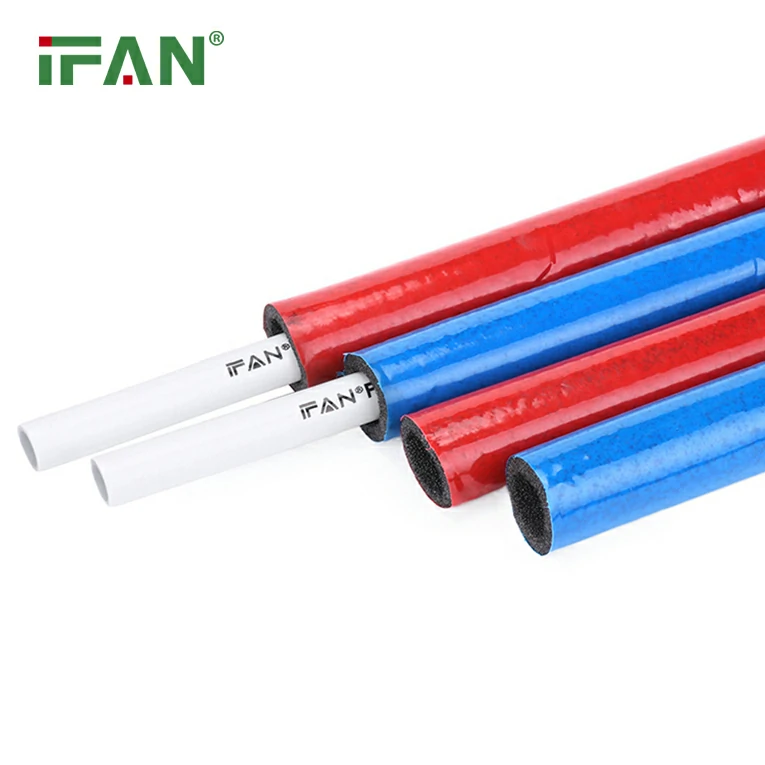
PEX pipes provide excellent thermal insulation, helping to maintain water temperature and reduce energy costs. This property is especially advantageous in hot-water systems, where heat loss can lead to increased energy consumption.
4. Freeze Resistance
Another notable advantage of PEX pipes is their ability to expand slightly when water freezes. This flexibility reduces the risk of bursting, making PEX a reliable choice in regions prone to freezing temperatures.
PPR Pipes: A Competitive Alternative
While PEX pipes have numerous advantages, it is essential to consider alternative materials like PPR pipes, which also offer unique benefits in plumbing applications.
What are PPR Pipes?
PPR pipes are made from polypropylene random copolymer, a type of plastic known for its strength and chemical resistance. PPR pipes are commonly used in hot and cold water supply systems, as well as in industrial applications.
Advantages of PPR Pipes
- High-Temperature Resistance: PPR pipes can withstand higher temperatures than PEX, with a maximum continuous service temperature of around 210°F (99°C). This makes them suitable for more demanding applications, including industrial settings.
- Chemical Resistance: PPR pipes exhibit excellent chemical resistance, making them ideal for transporting various substances without degrading over time.
- Leak-Free Joints: PPR pipes can be joined using heat fusion, creating strong, leak-free connections that enhance the overall integrity of the plumbing system.
- Eco-Friendly: PPR pipes are fully recyclable, aligning with sustainable building practices and reducing environmental impact.
- Longevity: PPR pipes have a lifespan exceeding 50 years, similar to PEX pipes, offering long-term reliability.
Comparing PEX and PPR Pipes
When considering PEX and PPR pipes for plumbing applications, several factors come into play:
1. Installation
PEX pipes are generally easier to install due to their flexibility and the absence of soldering requirements. PPR pipes, while still relatively easy to work with, require specialized tools for heat fusion, which may increase installation time and costs.
2. Temperature and Pressure Ratings
While PEX pipes are rated for temperatures up to 200°F (93°C), PPR pipes can handle temperatures up to 210°F (99°C). This slight edge in temperature resistance makes PPR pipes more suitable for high-temperature applications.
3. Cost Considerations
PEX pipes are typically more affordable than PPR pipes, making them a popular choice for residential applications. However, PPR pipes may be more cost-effective in industrial settings due to their chemical resistance and longevity.
4. Noise Levels
PEX pipes tend to be quieter than traditional metal pipes, which can transmit sound more readily. PPR pipes also provide some noise reduction, but PEX is often preferred for residential applications where noise reduction is a priority.
Conclusion
As Uponor’s PEX pipe turns 50, it is clear that this innovative product has transformed the plumbing industry. With its numerous advantages, including flexibility, resistance to corrosion, and ease of installation, PEX continues to be a popular choice for both residential and commercial applications. However, PPR pipes also offer unique benefits, particularly in high-temperature and chemical-resistant applications. Ultimately, the choice between PEX and PPR pipes will depend on the specific needs of your project.
Frequently Asked Questions (FAQs)
1. What is the main advantage of PEX pipes?
The main advantage of PEX pipes is their flexibility, which allows for easier installation in tight spaces and reduces the need for numerous fittings.
2. How long do PEX and PPR pipes last?
Both PEX and PPR pipes have a lifespan exceeding 50 years when properly installed and maintained.
3. Can PEX pipes be used for hot water?
Yes, PEX pipes are suitable for hot water applications and can handle temperatures up to 200°F (93°C).
4. Are PPR pipes better for high-temperature applications?
PPR pipes can withstand higher temperatures than PEX, making them a better choice for certain high-temperature applications.
5. Are PEX and PPR pipes recyclable?
Yes, both PEX and PPR pipes are recyclable, making them environmentally friendly options for plumbing systems.