PPR Fittings for Fire Suppression Systems: Safety and Reliability
Introduction
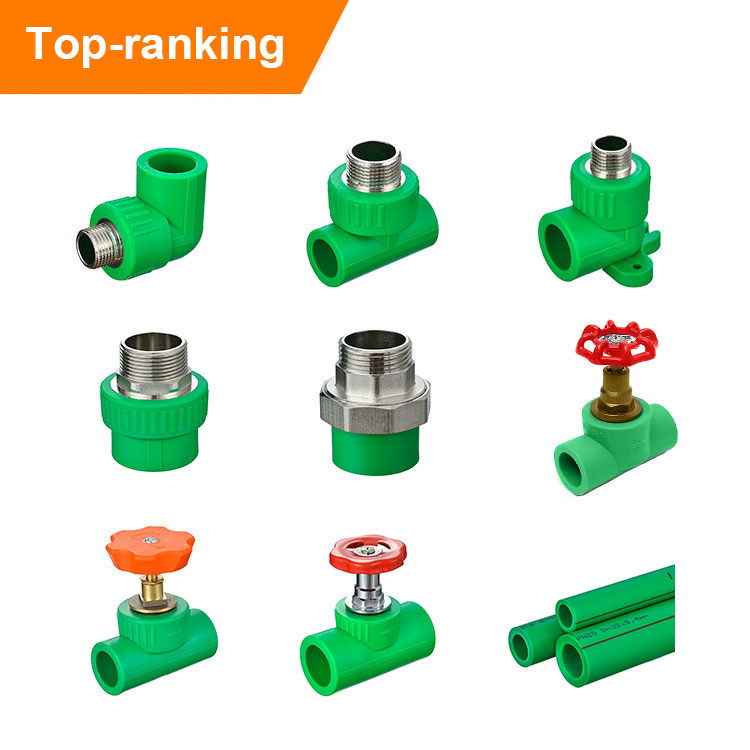
In this article, we will discuss PPR fittings for fire suppression systems, focusing on their safety and reliability. PPR fittings are a type of plumbing material that is widely used in fire suppression systems. With their many benefits, PPR fittings have become a popular choice for those in the fire safety industry.
What are PPR Fittings?
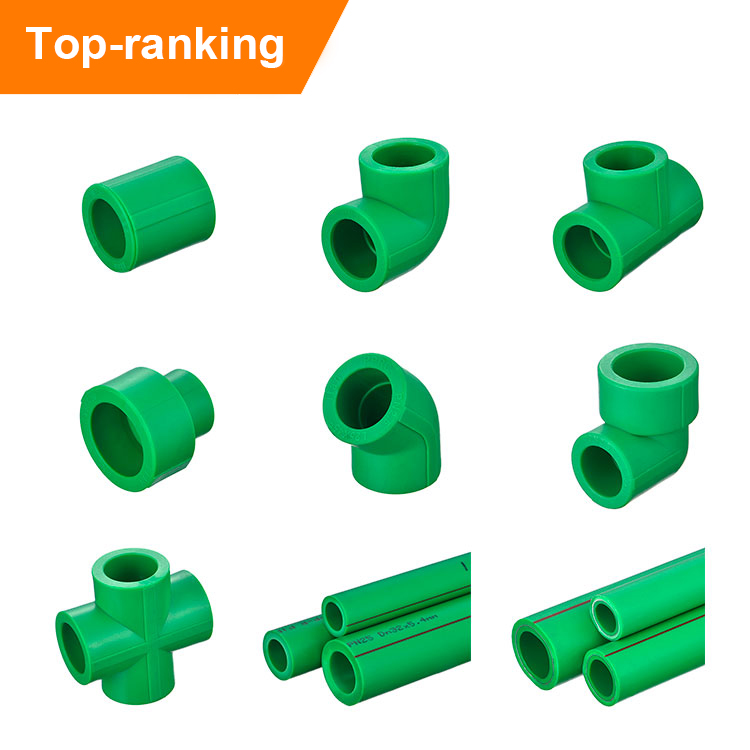
PPR fittings are a type of plastic plumbing material made from a blend of polypropylene and fiberglass. They are designed to be used in both residential and commercial plumbing systems, including fire suppression systems. PPR fittings are known for their durability, flexibility, and resistance to corrosion. They also have a long service life and require little maintenance.
Safety of PPR Fittings
When it comes to fire suppression systems, safety is of the utmost importance. PPR fittings have been extensively tested and are proven to be safe for use in these systems. They are made from non-toxic materials, which means they are safe for both human health and the environment.
Reliability of PPR Fittings
In addition to safety, reliability is also critical in fire suppression systems. PPR fittings are highly reliable and can withstand both high pressure and temperature changes. They are also resistant to impact and can easily handle the stresses of everyday use. This means that PPR fittings are less likely to fail or cause leaks, which is essential for a fire suppression system to function correctly.
Advantages of PPR Fittings
One of the most significant benefits of using PPR fittings in fire suppression systems is their resistance to fire. As a result, they do not contribute to the spread of fire if a fire does occur. This is essential in a fire suppression system, where preventing the spread of fire is of the utmost importance.
Another advantage of PPR fittings is their ease of installation. They are straightforward to install and require less time and labor than other materials. This makes PPR fittings a cost-effective choice for those in the fire safety industry.
Conclusion
PPR fittings for fire suppression systems are a safe and reliable choice. They are made from non-toxic materials, highly durable, and resistant to fire. For those in the fire safety industry, PPR fittings are an excellent choice for ensuring the safety and reliability of their systems.