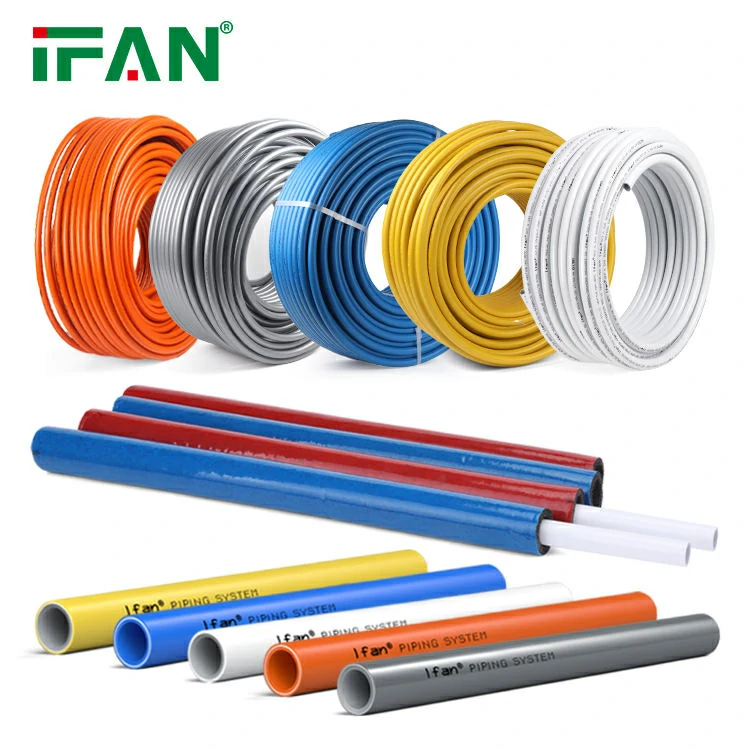
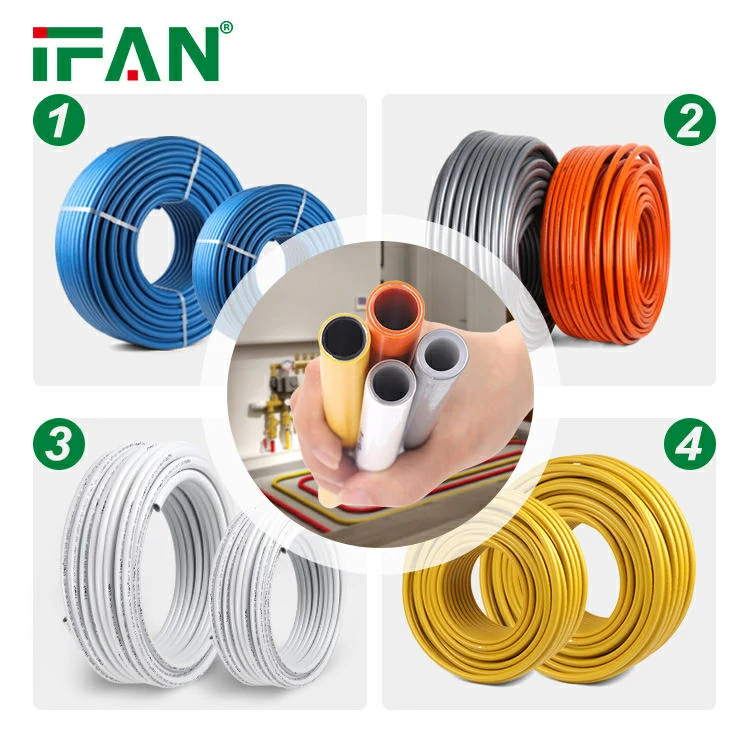
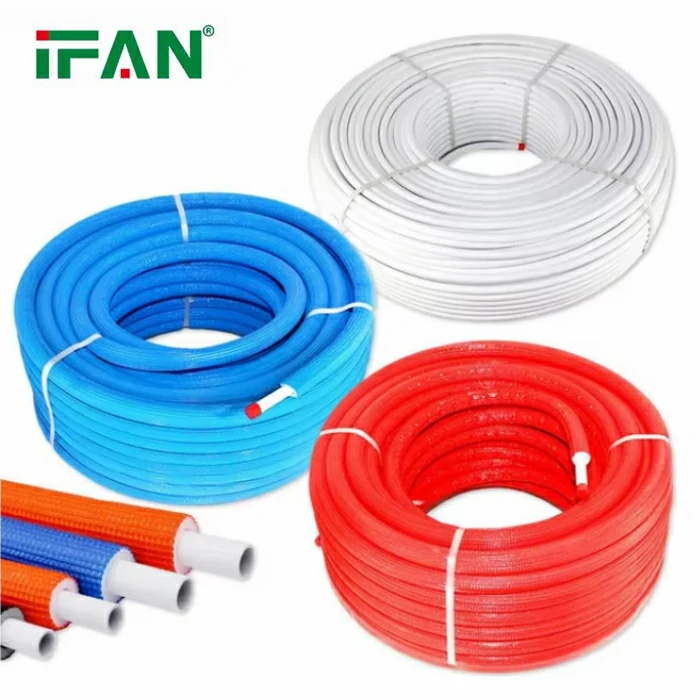
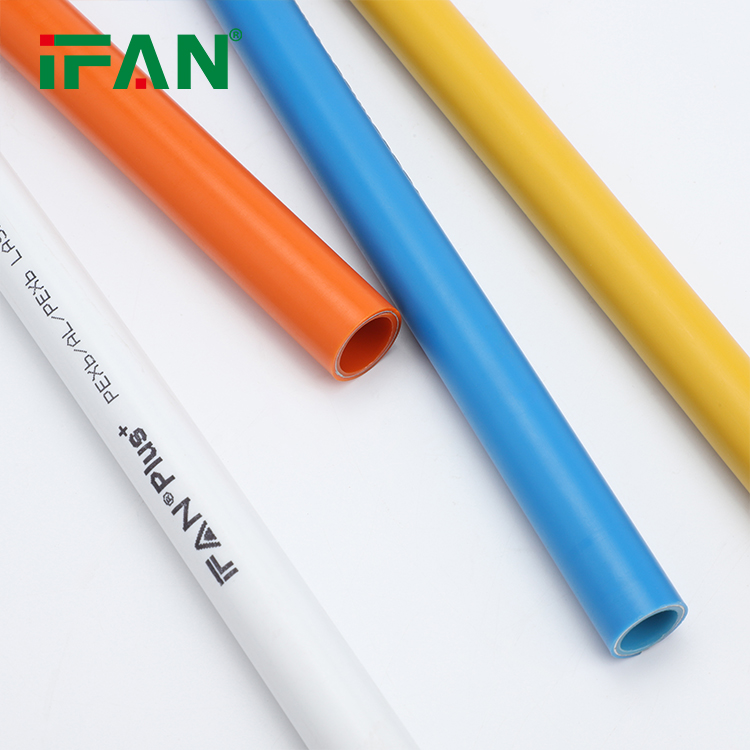
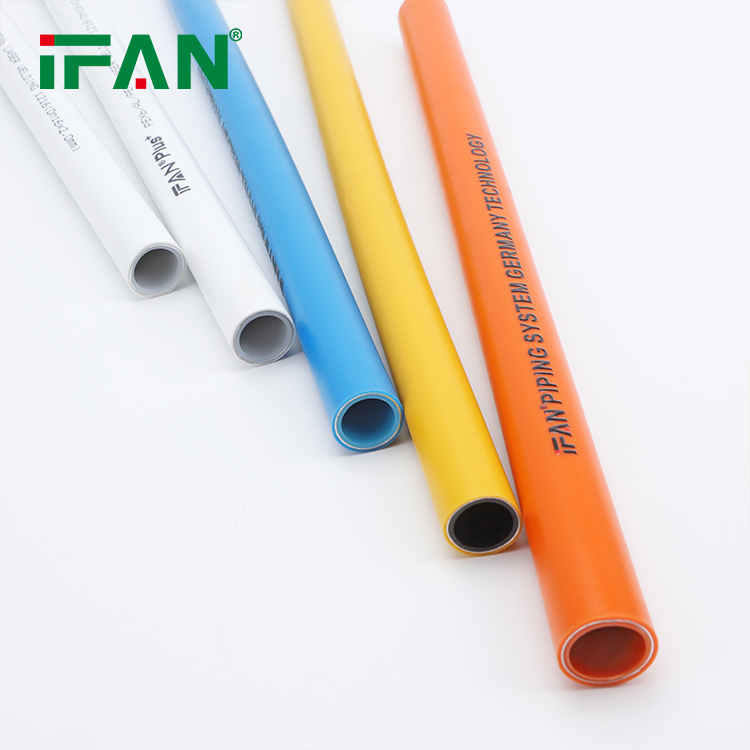
PPR Pipes and Fittings: The Eco-Friendly Choice for Sustainable Construction
Construction is an essential industry that has a significant impact on the environment. From the use of non-renewable materials to energy consumption, traditional construction practices are not sustainable. However, with the increasing global concern for environmental protection, the construction industry has had to change its ways. This has led to the development of eco-friendly materials and practices, and PPR pipes and fittings are a leading example.
PPR pipes and fittings are made of a highly durable and flexible material called Polypropylene Random Copolymer. This material is known for its excellent mechanical properties and chemical resistance, making it highly suitable for hot and cold water distribution in residential and commercial buildings. The PPR pipes and fittings are designed to provide a long-lasting and leak-free plumbing system, reducing the need for maintenance and replacement.
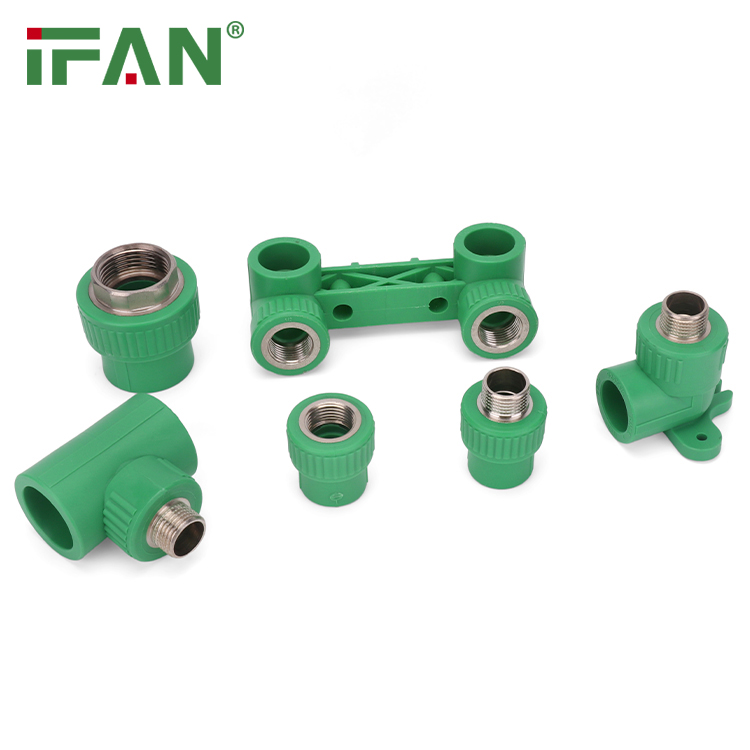
One of the most significant advantages of PPR pipes and fittings is their eco-friendliness. Unlike traditional materials like PVC, PPR pipes and fittings release zero toxins into the environment during manufacturing, use, or disposal. The production process of PPR pipes and fittings is also eco-friendly, as it requires less energy and produces fewer emissions. Additionally, PPR pipes and fittings are recyclable, contributing to the circular economy and reducing waste.
Another benefit of PPR pipes and fittings is their energy efficiency. They have a low heat transfer rate, meaning they can keep hot water hot and cold water cold for more extended periods, reducing the energy needed to heat or cool them. This enhances energy efficiency, saving money for homeowners and businesses.
Furthermore, PPR pipes and fittings have a smooth inner surface, reducing friction losses in the plumbing system. This means less energy is needed to pump water through the system, resulting in reduced energy consumption and lower energy bills.
PPR pipes and fittings are also incredibly lightweight, making them easy to install and transport. This reduces the need for heavy equipment during construction, reducing energy consumption and minimizing the environmental impact. PPR pipes and fittings do not require any glue or adhesive during installation, further enhancing their eco-friendliness.
In conclusion, PPR pipes and fittings are an eco-friendly and sustainable option for the modern construction industry. They offer many benefits, including durability, energy efficiency, recyclability, and easy installation. Investing in PPR pipes and fittings not only enhances the sustainability of buildings but also contributes to a cleaner and healthier environment. It is time for the construction industry to embrace eco-friendly materials and practices, and using PPR pipes and fittings is a step in the right direction.
Take Action
Are you interested in using PPR pipes and fittings for your next construction project? Contact us today to learn more about our wide range of eco-friendly plumbing solutions. Together, we can build a more sustainable future for the construction industry.