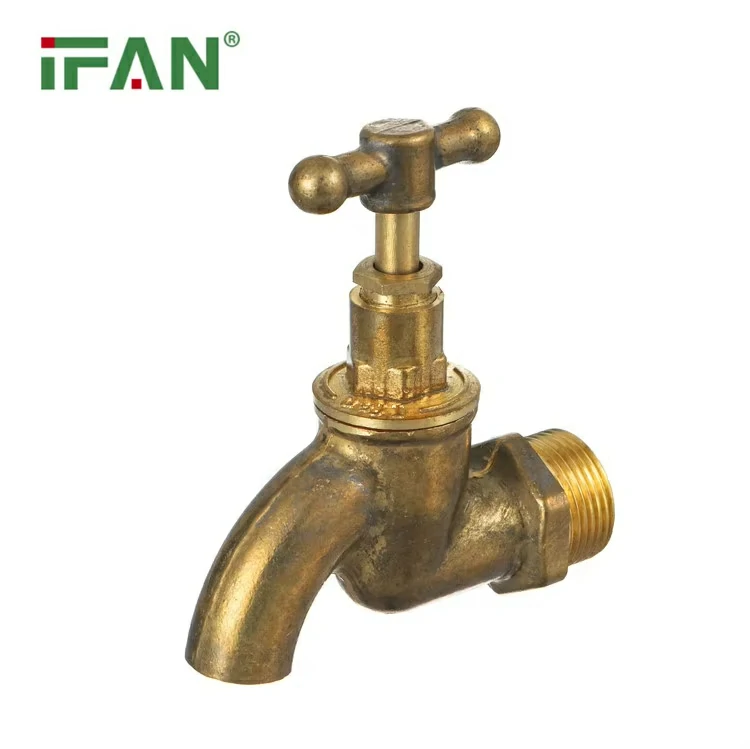
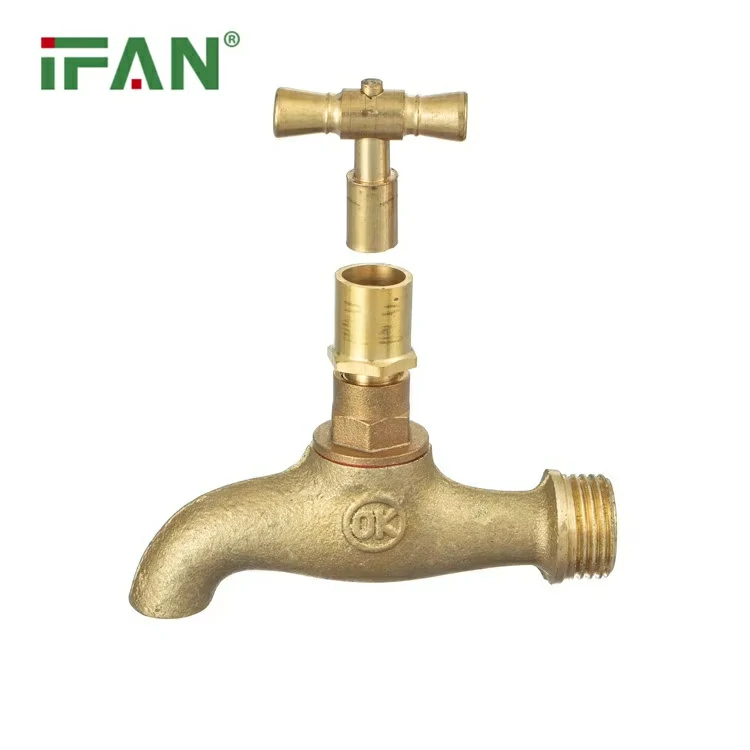
Unlocking the Potential of Brass Ball Valves in Modern Applications
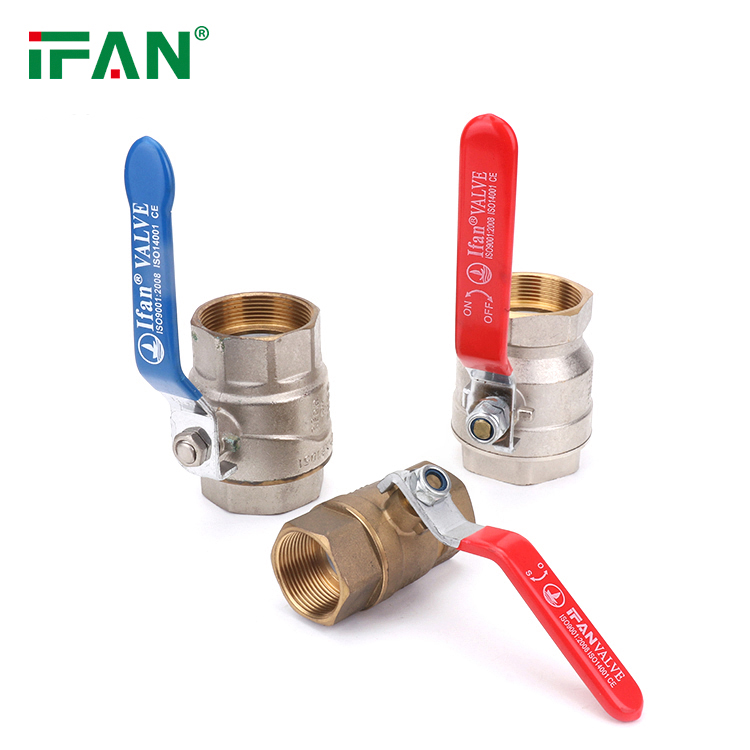
In the ever-evolving landscape of industrial and residential fluid control, brass ball valves stand as a testament to their unwavering reliability and adaptability. These valves, crafted from a unique alloy of copper and zinc, offer a range of benefits that make them indispensable in various applications.
The Allure of Brass
Brass, with its distinctive golden hue, is not just an aesthetic choice. Its corrosion resistance, durability, and reliability make it a preferred material for valves. Brass ball valves are particularly suited for frequent operation, offering quick and effortless opening and closing. Their simple yet robust design ensures minimal fluid resistance, while their compact size and lightweight nature facilitate easy maintenance.
The Mechanics of Brass Ball Valves
Brass ball valves derive their functionality from a spherical closure element that rotates 90 degrees to achieve full open or closed positions. This design allows for quick and precise control of fluid flow. The valves can be used in any installation position, with the flow direction being independent of the valve’s orientation.
Versatility in Applications
The versatility of brass ball valves is evidenced in their widespread use across industries. In water treatment systems, they ensure smooth water flow and accurate flow control. In gas control systems, they safeguard the safe transmission of gases, preventing leaks and ensuring the safety of homes and industrial facilities. In HVAC systems, they regulate the flow of hot and cold water, maintaining indoor comfort. And in the petrochemical industry, their corrosion resistance ensures stable operation in harsh environments.
The Future of Brass Ball Valves
As industries continue to evolve, the demand for brass ball valves is expected to grow. Their inherent advantages, coupled with innovative designs and technologies, will further enhance their capabilities and broaden their applications.
In conclusion, brass ball valves are a vital component in modern fluid control systems. Their unique properties and design make them an indispensable choice for a wide range of applications.
Free Sample(Click Here to Get Free Sample)