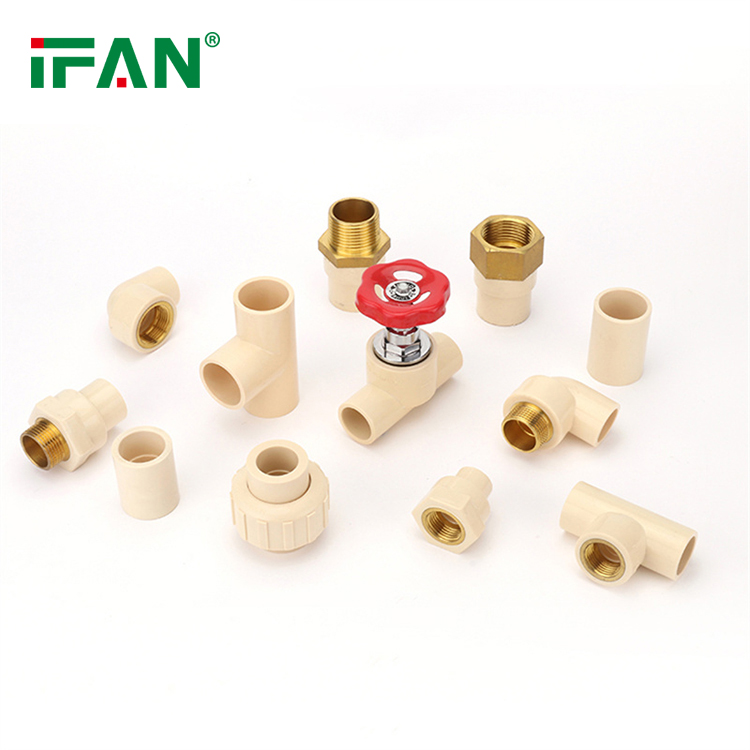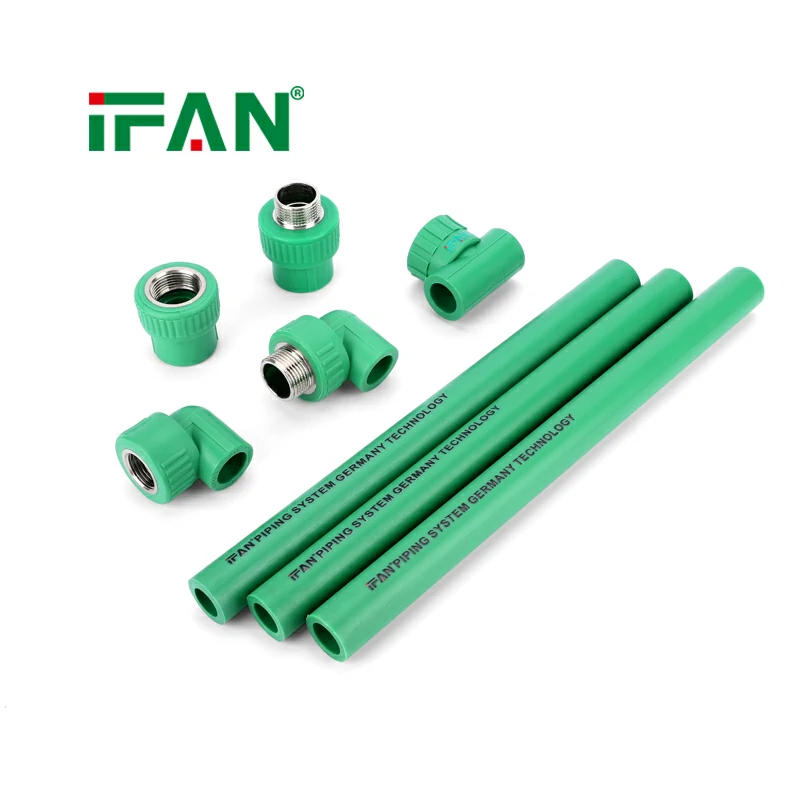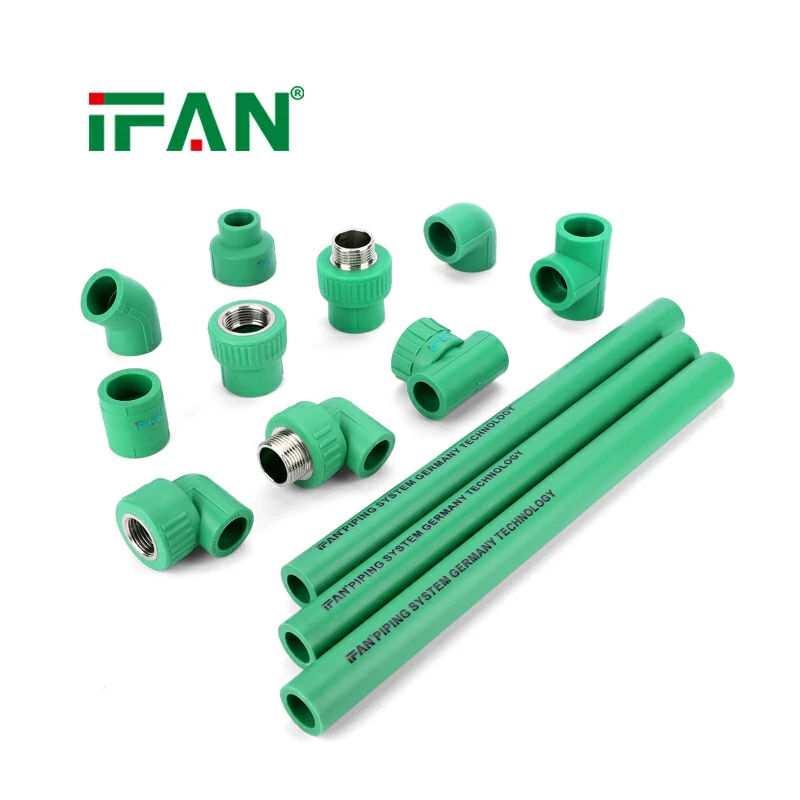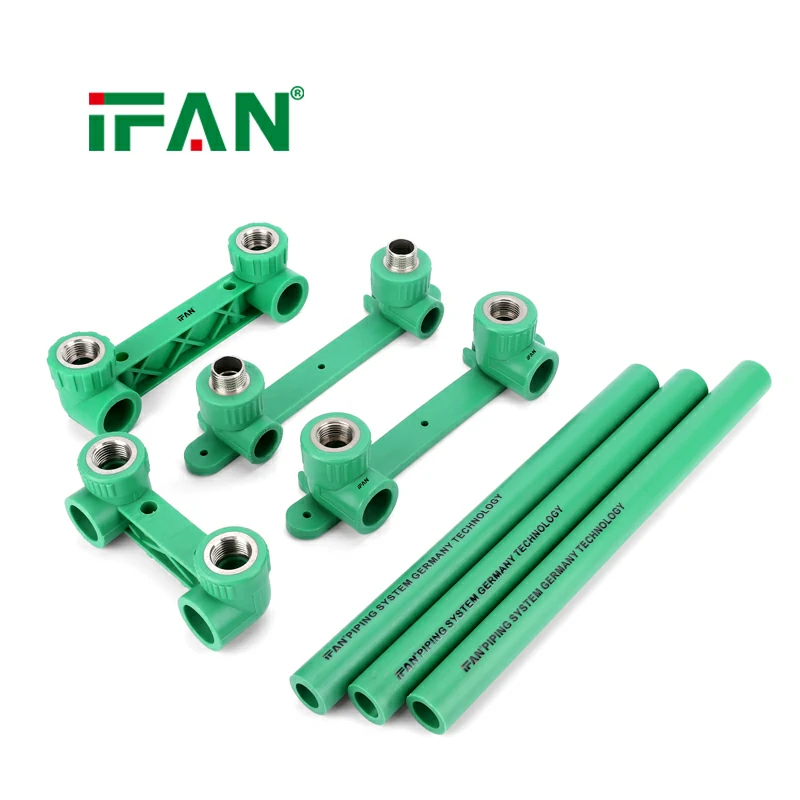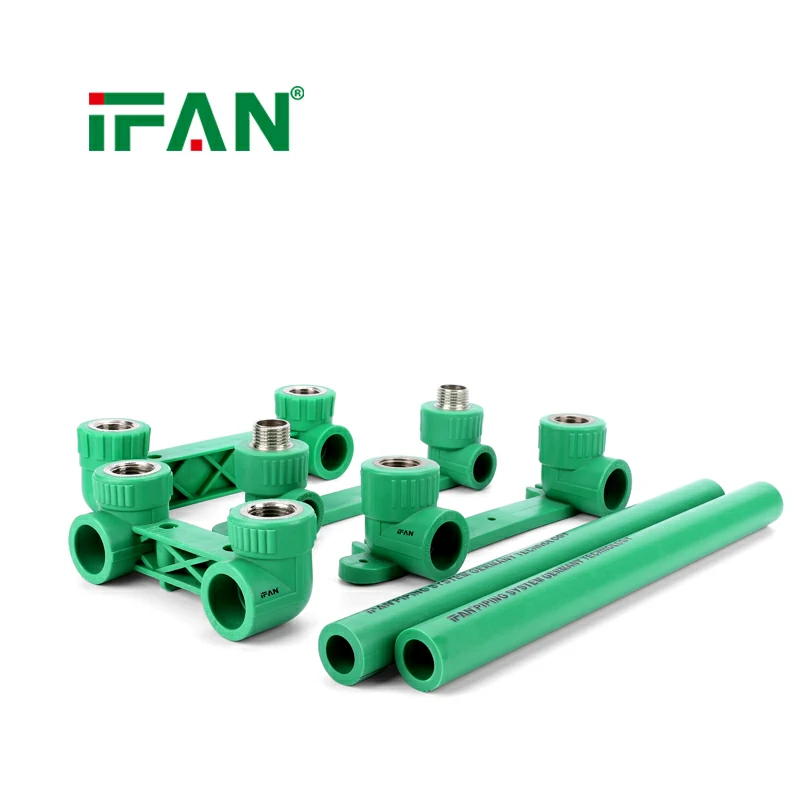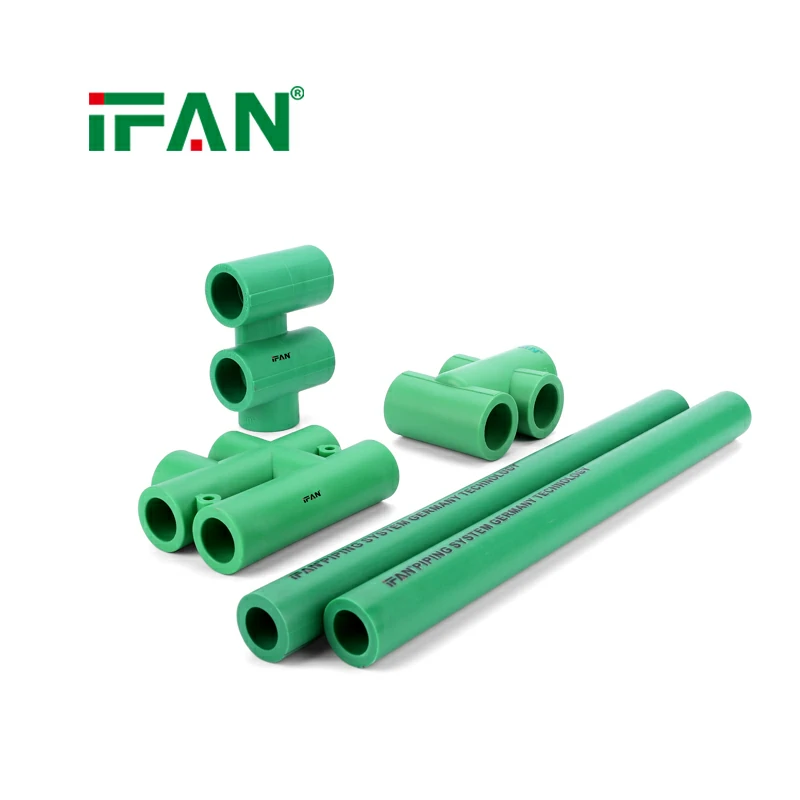
In the realm of fluid management, precision control and reliability are paramount. Introducing CPVC Fitting Valve, an innovative solution designed to regulate fluid flow with unparalleled accuracy and efficiency. This comprehensive guide explores the advanced features, benefits, and diverse applications of CPVC Fitting Valve, setting a new standard for excellence in fluid control technology.
Understanding the Essence of CPVC Fitting Valve
The CPVC Fitting Valve stands as a pinnacle of engineering ingenuity, offering precise control over fluid flow in piping systems. Crafted from Chlorinated Polyvinyl Chloride (CPVC), this valve combines exceptional durability with chemical resistance, making it an ideal choice for a wide range of applications where reliable fluid control is essential.
Unveiling the Advantages of CPVC Fitting Valve
- Precision Control: CPVC Fitting Valve is designed to provide precise control over fluid flow, allowing for accurate adjustments to meet specific system requirements, thereby optimizing performance and efficiency.
- Durable Construction: Engineered from CPVC, renowned for its strength and chemical resistance, CPVC Fitting Valve offers long-term durability and reliability even in harsh operating conditions, ensuring uninterrupted operation over the lifespan of the system.
- Chemical Resistance: Resistant to corrosion and chemical degradation, CPVC Fitting Valve maintains its integrity when exposed to a variety of chemicals, acids, and alkalis, making it suitable for use in demanding industrial environments.
- Leak-Free Performance: Equipped with advanced sealing mechanisms and precision-engineered components, CPVC Fitting Valve ensures leak-free performance, minimizing the risk of costly downtime and fluid loss.
- Versatile Applications: From residential plumbing systems to industrial process pipelines, CPVC Fitting Valve finds applications in a wide range of industries, including water treatment, chemical processing, and irrigation systems.
Applications Across Industries
- Water Treatment: In water treatment facilities, CPVC Fitting Valve enables precise control over the flow of water and chemicals during purification processes, ensuring optimal treatment efficiency and quality.
- Chemical Processing: In chemical plants and refineries, CPVC Fitting Valve plays a crucial role in regulating the flow of corrosive chemicals and solvents, maintaining safety and operational integrity in hazardous environments.
- HVAC Systems: Within HVAC systems, CPVC Fitting Valve facilitates precise control over the flow of coolant and refrigerant, optimizing system performance and energy efficiency while ensuring occupant comfort.
- Irrigation Systems: In agricultural irrigation systems, CPVC Fitting Valve allows for accurate regulation of water flow to crops, maximizing water efficiency and promoting healthy plant growth.
Conclusion
CPVC Fitting Valve represents a paradigm shift in fluid control technology, offering unmatched precision, durability, and reliability in regulating fluid flow. As industries continue to demand high-performance solutions for fluid management, this innovative valve emerges as a cornerstone of modern engineering. With its advanced features and versatile applications, CPVC Fitting Valve is poised to revolutionize the way fluid systems are designed, operated, and maintained, ushering in a new of excellence in fluid control technology.
Free Sample(Click Here to Get Free Sample)