Introduction
This year marks a significant milestone in the plumbing industry as Uponor celebrates the 50th anniversary of its PEX (crosslinked polyethylene) pipe. Since its introduction, PEX has revolutionized plumbing systems with its flexibility, corrosion resistance, and ease of installation. However, as we reflect on the impact of PEX, it’s essential to explore alternative materials that have emerged in the market, particularly PPR (Polypropylene Random Copolymer) pipes. This article will delve into the history and advantages of PEX while highlighting the benefits of PPR as a sustainable alternative in modern plumbing.
The Rise of PEX Pipe
1. A Brief History of PEX
Uponor introduced PEX pipe to the North American market in the early 1970s, and it quickly gained popularity due to its unique properties. The flexibility of PEX allowed for easier installation, especially in tight spaces and complex plumbing layouts. Additionally, its resistance to corrosion and scaling made it an attractive option for both residential and commercial applications. Over the years, PEX has become a standard choice for plumbing, radiant heating systems, and even fire sprinkler systems.
2. Key Features of PEX
- Flexibility: PEX can bend around corners and navigate tight spaces without the need for numerous fittings, reducing the potential for leaks.
- Corrosion Resistance: Unlike metal pipes, PEX does not corrode, ensuring better water quality and a longer lifespan.
- Ease of Installation: PEX can be installed quickly, often requiring fewer tools and less labor than traditional piping systems.
- Thermal Properties: PEX has good thermal insulation properties, helping to maintain water temperature and reduce energy costs.
The Limitations of PEX
Despite its many advantages, PEX does have some limitations that should be considered:
1. Chemical Leaching Concerns
One of the most significant concerns surrounding PEX is the potential for chemical leaching into the water supply. Studies have shown that certain chemicals used in the manufacturing process can migrate into hot water, raising health concerns among consumers.
2. UV Sensitivity
PEX is sensitive to ultraviolet (UV) light, which can degrade the material over time. This limitation makes PEX unsuitable for outdoor applications unless adequately protected from sunlight.
3. Temperature Limitations
While PEX can handle hot water applications, prolonged exposure to temperatures above 95°C (203°F) can weaken the material, leading to potential failures in the plumbing system.
Introducing PPR Pipes
As the plumbing industry evolves, PPR pipes have emerged as a sustainable alternative to PEX and traditional metal piping systems. Made from polypropylene, PPR pipes offer several advantages that make them an attractive choice for modern plumbing applications.
1. Advantages of PPR Pipes
A. Chemical Resistance
PPR pipes are highly resistant to a wide range of chemicals, making them suitable for various applications, including potable water systems. Unlike PEX, PPR does not leach harmful substances into the water supply, ensuring better water quality.
B. Thermal Insulation
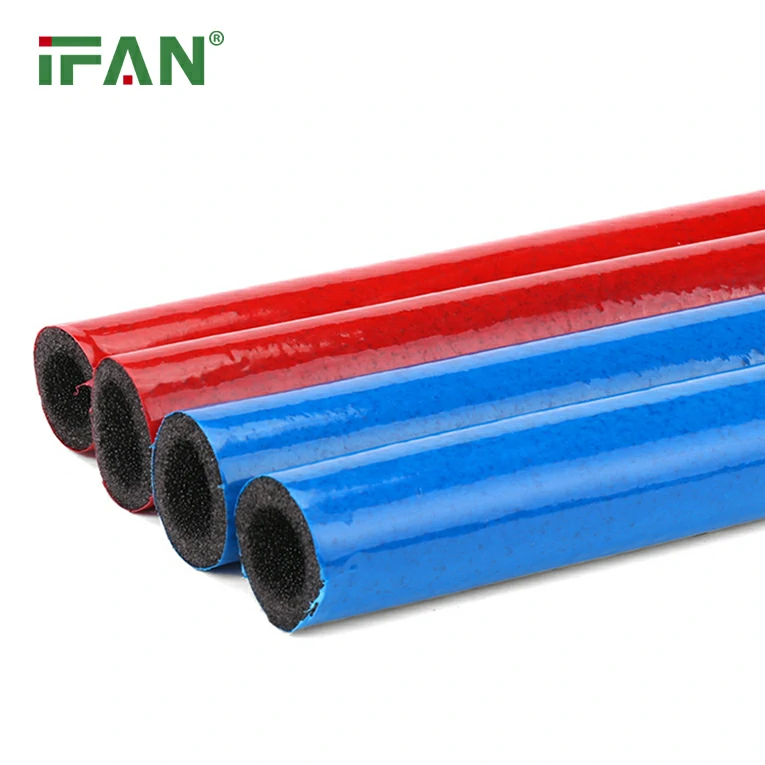
PPR provides excellent thermal insulation, helping to maintain the temperature of hot water as it travels through the system. This insulation can lead to energy savings and increased efficiency in hot-water applications.
C. Durability and Longevity
PPR pipes have a long lifespan, often exceeding 50 years, comparable to copper pipes. They are resistant to corrosion and scaling, ensuring a reliable plumbing system with minimal maintenance.
D. Ease of Installation
PPR pipes are lightweight and easy to handle, making installation straightforward. They can be joined using heat fusion methods, creating strong, leak-free connections. This method not only simplifies the installation process but also reduces the potential for failures in the system.
E. Environmental Impact
PPR pipes are fully recyclable, making them a more sustainable option compared to PEX, which is made from petroleum-based materials. As the demand for environmentally friendly solutions increases, PPR pipes offer a compelling choice for eco-conscious consumers.
Comparing PEX and PPR Pipes
1. Performance Characteristics
- Temperature Resistance: PEX can handle temperatures up to 95°C (203°F), while PPR pipes can consistently manage temperatures up to 80°C (176°F). However, PPR can be used in higher temperature applications with proper support.
- Pressure Rating: Both PEX and PPR pipes are designed to withstand high pressures, making them suitable for various plumbing applications. PEX typically has a pressure rating of up to 160 psi, while PPR can handle pressures up to 100 psi at 20°C (68°F).
2. Installation Methods
- PEX: Requires specialized fittings and tools for connections, which can increase installation costs and complexity.
- PPR: Uses heat fusion joining methods, which create strong, leak-free connections and simplify the installation process.
3. Longevity and Maintenance
- PEX: Has a lifespan of about 25-30 years, depending on use conditions. It may require more maintenance due to potential chemical leaching and UV sensitivity.
- PPR: Offers a longer lifespan and requires less maintenance, making it a more reliable choice for long-term plumbing systems.
4. Environmental Impact
- PEX: Made from petroleum-based materials, raising concerns about its environmental impact. While recyclable, the infrastructure for recycling PEX is not as developed as for other materials.
- PPR: Fully recyclable and made from sustainable materials, making it a more environmentally friendly option.
Conclusion
As Uponor celebrates 50 years of PEX pipe innovation, it’s essential to consider the evolving landscape of plumbing materials. While PEX has undoubtedly changed the industry with its flexibility, ease of installation, and resistance to corrosion, it also has limitations, particularly regarding chemical leaching and UV sensitivity.
PPR pipes present a sustainable alternative, offering excellent chemical resistance, thermal insulation, and durability. As the demand for eco-friendly solutions grows, PPR pipes are poised to become a popular choice for modern plumbing applications, including residential and commercial settings.
Frequently Asked Questions (FAQs)
1. What is the lifespan of PPR pipes?
PPR pipes typically have a lifespan of over 50 years, making them a durable option for plumbing systems.
2. Are PPR pipes suitable for hot water applications?
Yes, PPR pipes can handle hot water applications and provide excellent thermal insulation to maintain water temperature.
3. How do PPR pipes compare to PEX in terms of chemical resistance?
PPR pipes are highly resistant to a wide range of chemicals and do not leach harmful substances into the water supply, unlike PEX.
4. Can PPR pipes be recycled?
Yes, PPR pipes are fully recyclable, making them an environmentally friendly option compared to PEX.
5. What installation methods are used for PPR pipes?
PPR pipes are typically joined using heat fusion methods, creating strong, leak-free connections that simplify the installation process.