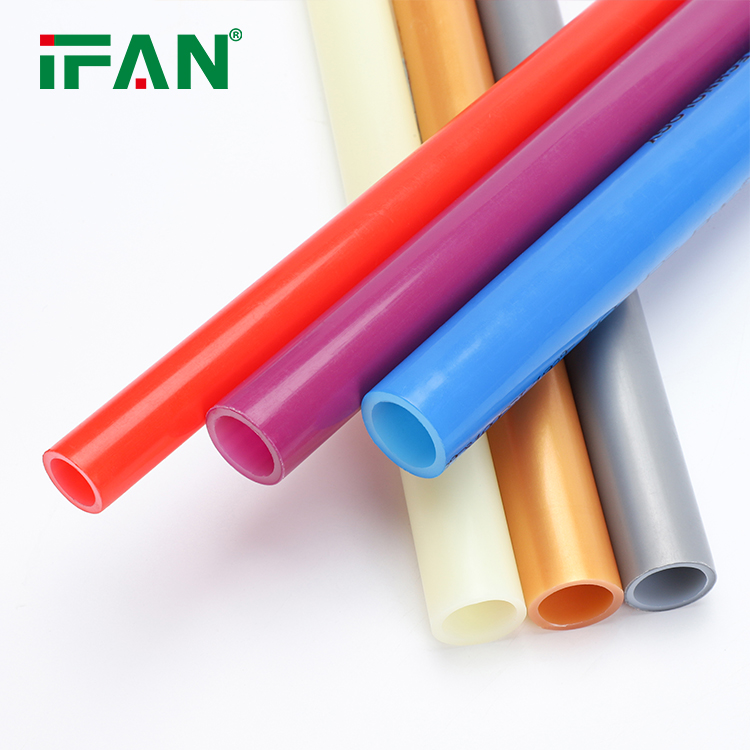
PEX is a type of plastic piping used in residential and commercial plumbing systems. It is made of cross-linked polyethylene, which makes it very strong and suitable for hot and cold water pressure systems. One of the advantages of PEX is that it is easy to install, as it does not require welding or any other complex adaptation. Instead, PEX uses simple, reliable joints. In this article, we’ll discuss the different types of PEX Settings and when it’s appropriate to use them.
Crimp fitting
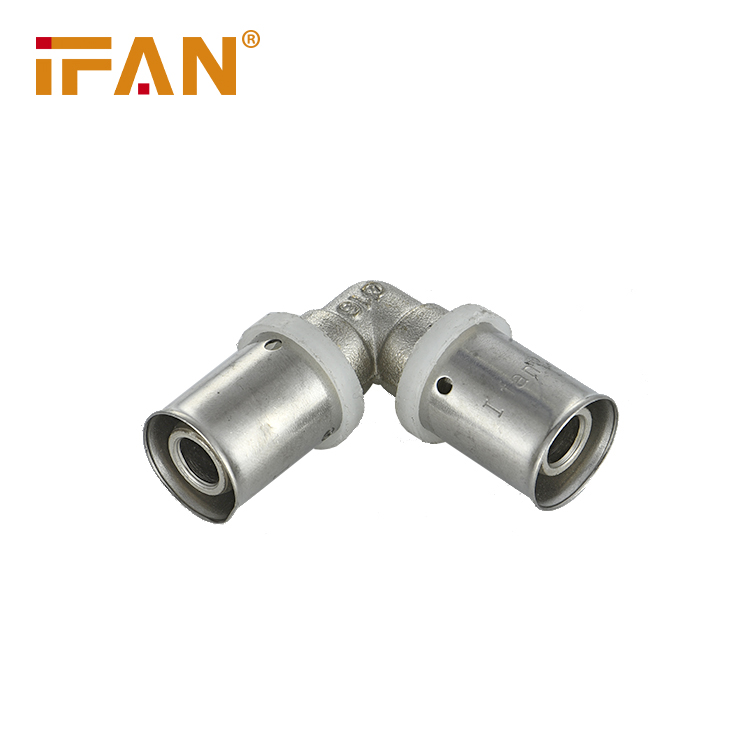
The crimp joint is the most common type of joint used by PEX. This type of connection is made by placing a metal ring on the PEX pipe and then using crimping pliers to press the ring around the pipe and fittings. This creates a secure, tight seal that is leak proof. Pressure fittings can be used with thin-wall and thick-wall PEX and are available in many different sizes to meet the needs of different pipe configurations.
Compression joint
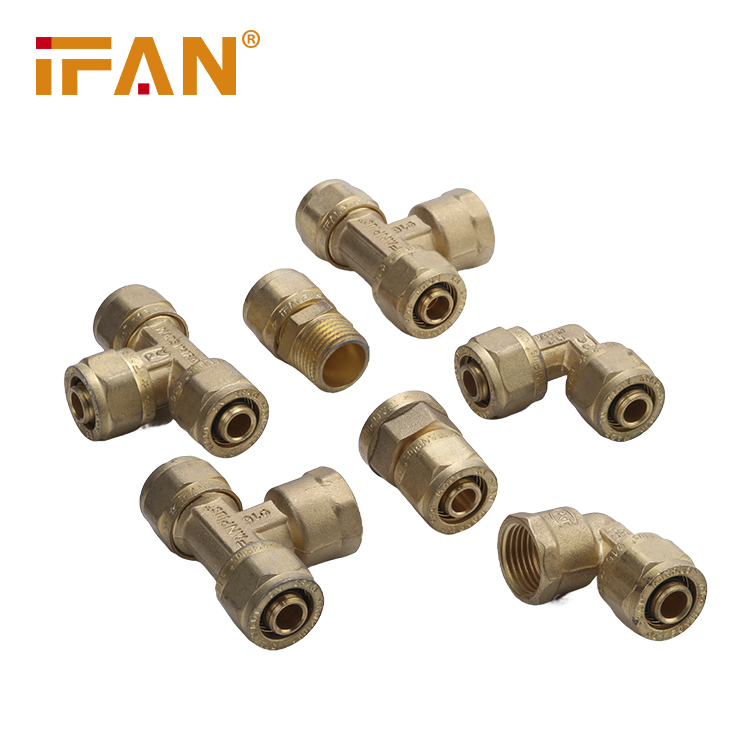
PEX compression fittings are similar to crimp fittings, but instead of using metal rings, these fittings use plastic compression rings to create a seal. To install the compression fitting, simply slide the compression ring onto the PEX pipe, push the pipe to the end of the fitting, and tighten the compression ring with a special tool. PEX compression accessories are suitable for hot and cold water pressure systems and can be used for thin-wall and thick-wall PEX. They are especially useful in areas with limited access because they are easy to install in confined Spaces.
Expansion joint
Expansion fittings are relatively new to the market, and they use a shrinkage process that allows PEX tubes to expand to fit the fittings. This process creates a secure, tight seal that is leak proof. The expansion fitting is used with special expansion equipment to heat the PEX tube until it expands enough to wrap the connection. The tube then shrinks again and the fitting holds in place. Expansion fittings are suitable for hot and cold water pressure systems and can be used for thin-wall and thick-wall PEX. They are especially useful in areas with limited access because they are easy to install in confined Spaces.
conclusion
There are several types of PEX accessories on the market, each with its own advantages and disadvantages. The choice of which pipe type to use depends on the specific design and requirements of the piping system. In general, crimp fittings are the most common and can be used in almost all situations. Compression accessories are ideal for compact Spaces and require fewer tools than crimp accessories. Finally, the expansion joint provides a safe and tight connection without the need to use metal or plastic gaskets. Regardless of the type of fitting chosen, it is important to carefully follow the manufacturer’s installation instructions to ensure a safe and effective piping system.