Introduction
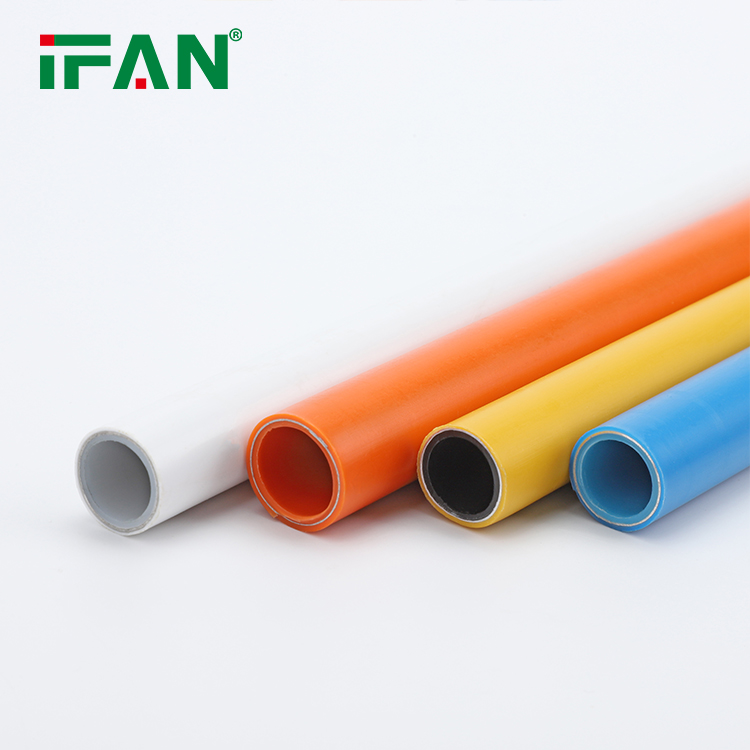
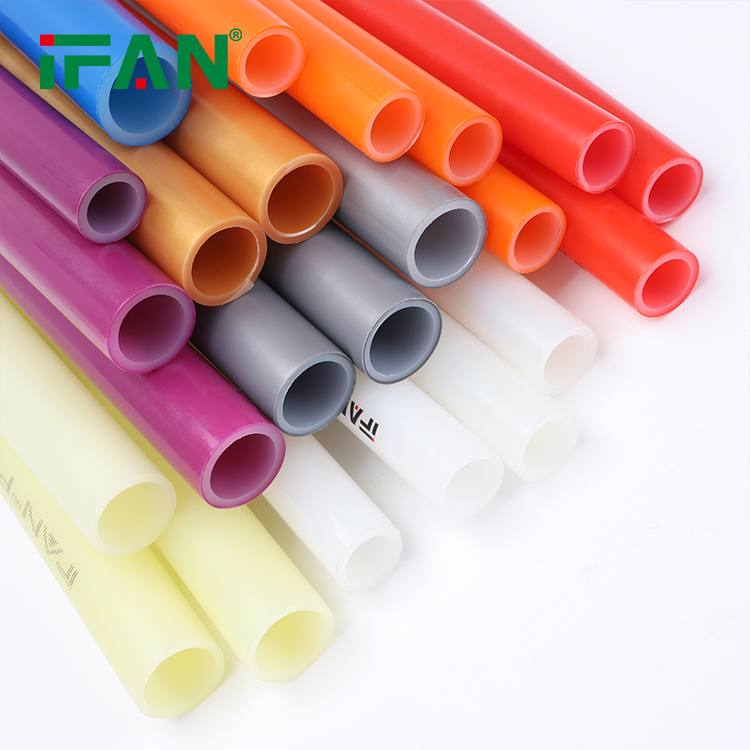
PP compression is a method of joining polypropylene (PP) pipes using compression fittings. Polypropylene is a thermoplastic polymer that is widely used in the manufacturing of pipes due to its excellent chemical and abrasion resistance. PP compression fittings are designed to provide a quick, simple, and reliable jointing system for PP pipes.
What are PP Compression Fittings?
PP compression fittings are made from high-quality, UV-stabilized materials that ensure durability and longevity. They are designed to join PP pipes of different diameters and can accommodate a wide range of operating pressures and temperatures.
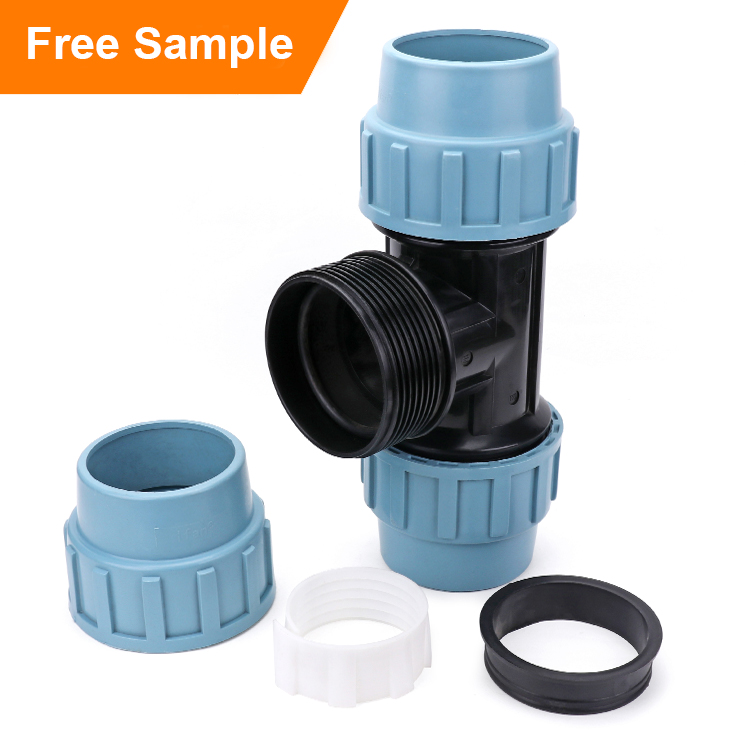
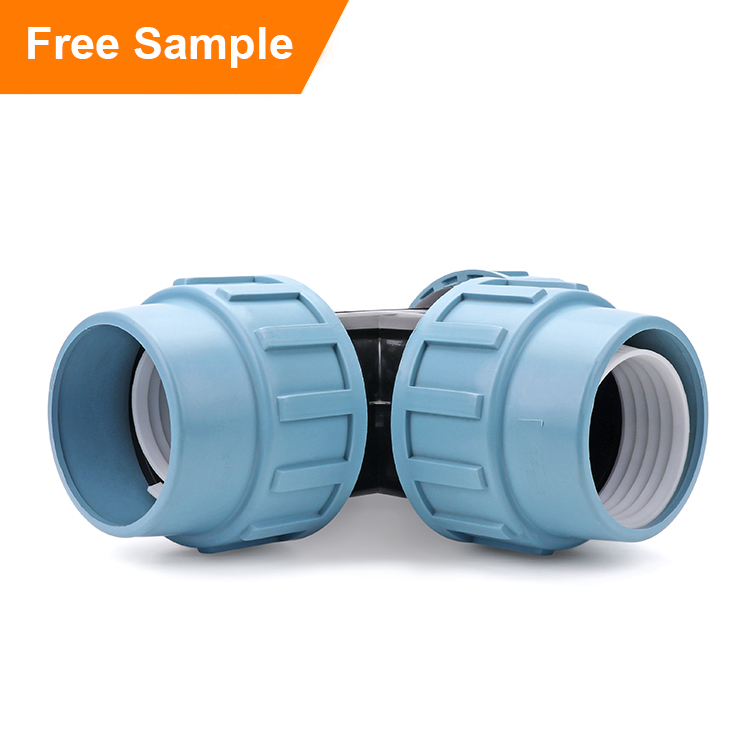
PP compression fittings consist of four main components – the body, the nut, the ring, and the sealing washer. The body of the fitting is made of PP material, while the nut is made of high-quality brass or stainless steel. The ring and the sealing washer are made of EPDM rubber, which provides excellent sealing properties.
How do PP Compression Fittings Work?
PP compression fittings work by compressing the pipe and the fitting together, creating a tight seal. The pipe is inserted into the fitting until it reaches the stop ring. The nut is then tightened to compress the EPDM sealing washer onto the pipe, creating a tight seal.
The compression fitting provides a strong and reliable joint that is resistant to leakage and can withstand high operating pressures and temperatures. PP compression fittings are easy to install and do not require any special tools, making them a popular choice for home plumbing systems, irrigation systems, and industrial applications.
Benefits of PP Compression Fitings
PP compression fittings offer a wide range of benefits over traditional jointing methods. Some of the benefits include:
- Easy to Install – PP compression fittings can be quickly and easily assembled without the need for any special tools or training.
- Strong and Reliable – PP compression fittings provide a durable and reliable joint that can withstand high pressures and temperatures.
- Chemical and Abrasion Resistance – PP compression fittings are highly resistant to chemicals and abrasion, making them ideal for use in harsh environments.
- Cost-Effective – PP compression fittings are cost-effective compared to other jointing methods, such as welding or soldering.
Conclusion
In summary, PP compression is a simple and effective method for joining PP pipes. PP compression fittings provide a quick and reliable jointing system that is highly resistant to chemical and abrasion. They are easy to install, cost-effective, and provide a durable and reliable joint that can withstand high operating pressures and temperatures. PP compression fittings are the perfect solution for home plumbing systems, irrigation systems, and industrial applications.