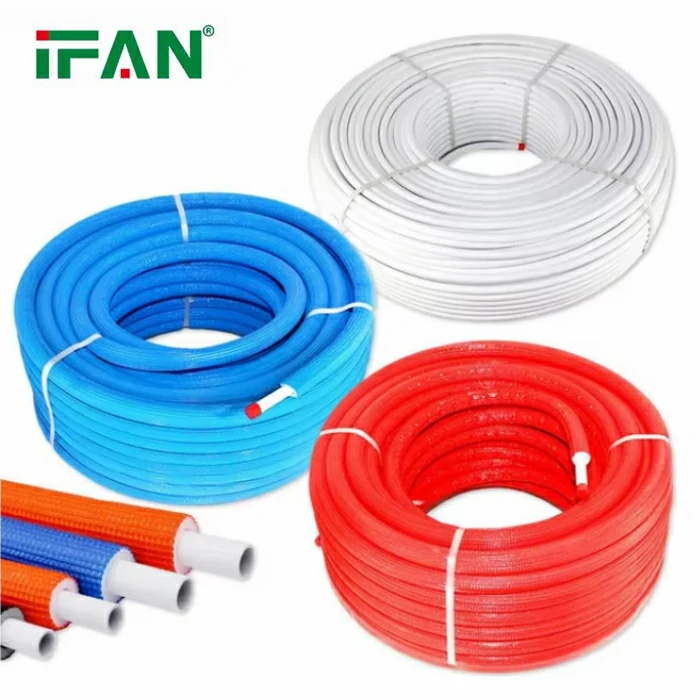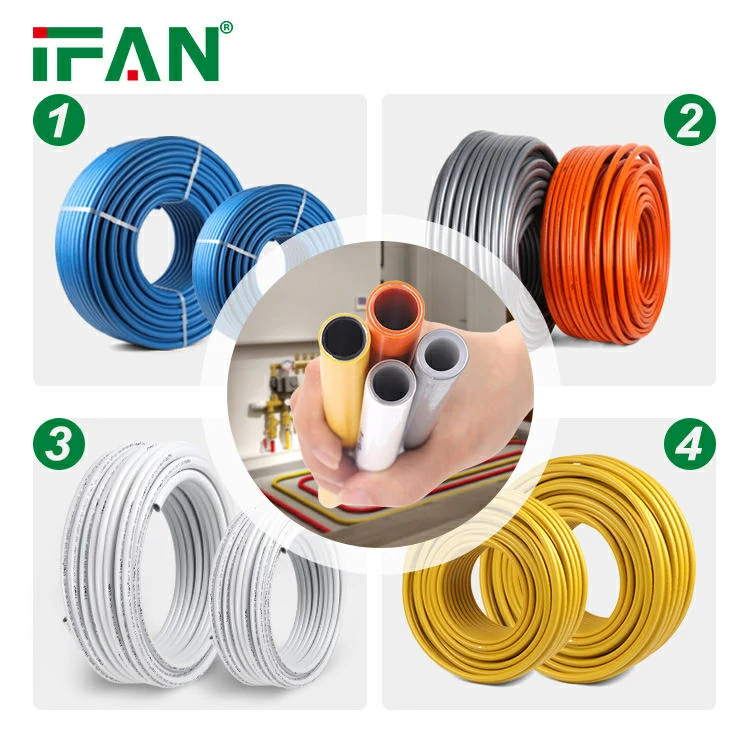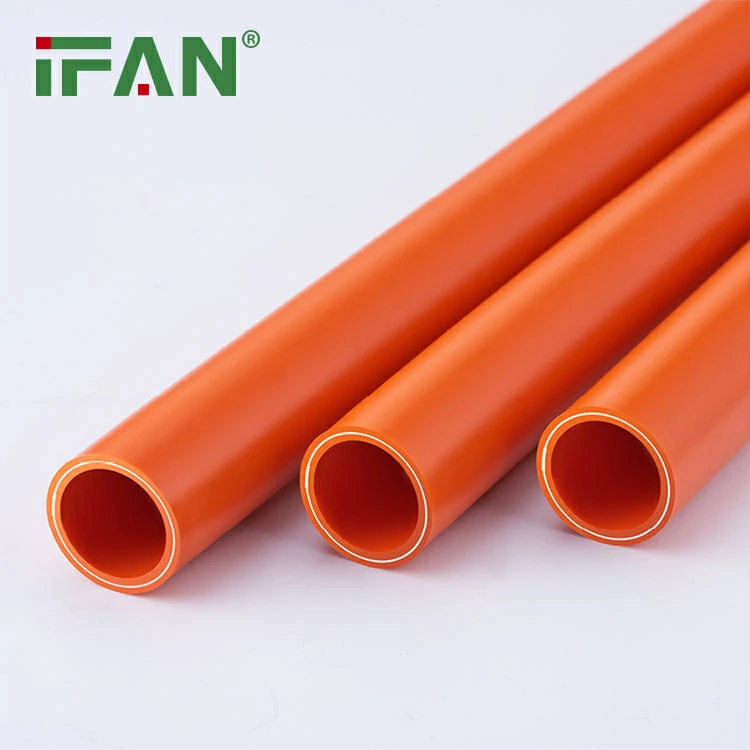
In recent years, PEX (cross-linked polyethylene) pipes have become increasingly popular for delivering drinking water in both residential and commercial plumbing systems. Known for their flexibility, ease of installation, and resistance to corrosion, PEX pipes present an attractive alternative to traditional materials like copper and PVC. However, with rising consumer awareness about the quality and safety of materials used in plumbing, it’s essential to explore what’s actually in those PEX pipes that are delivering our drinking water. This article will delve into the composition of PEX pipes, safety standards, health considerations, and the environmental impact of these innovative plumbing materials.
Understanding PEX Pipes
What Are PEX Pipes?
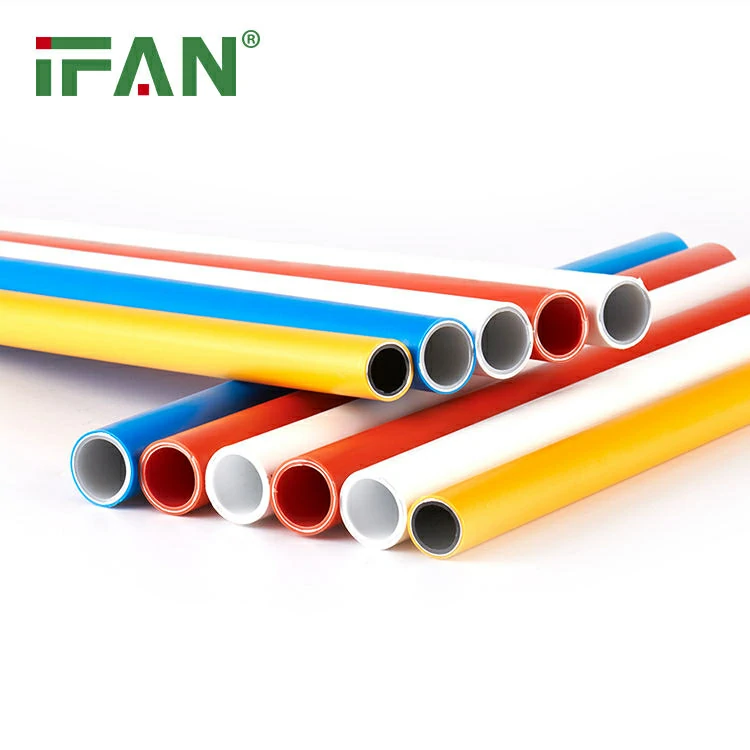
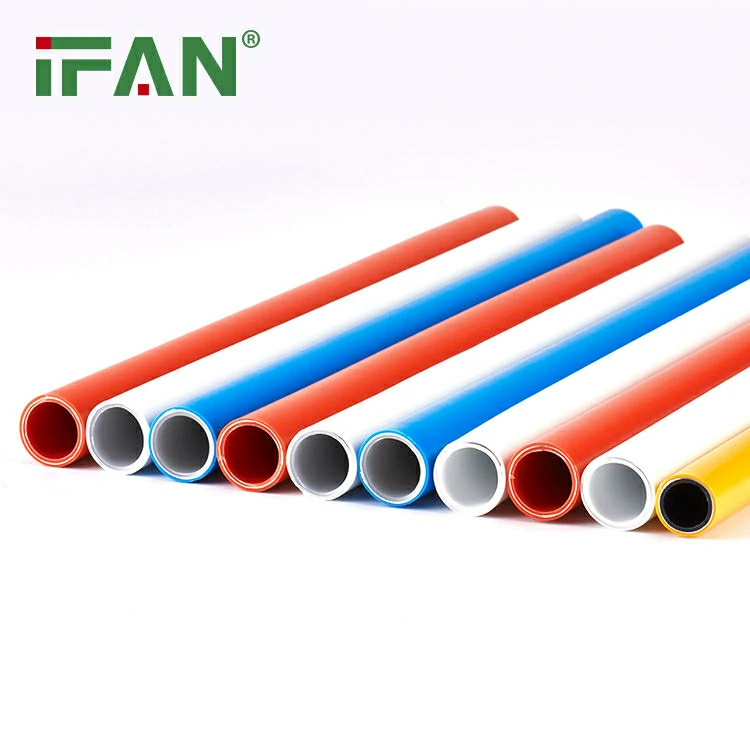
PEX pipes are flexible tubing made from cross-linked polyethylene. The cross-linking process enhances the properties of polyethylene, making it a durable and versatile material suitable for various plumbing applications. PEX is especially valued for its ability to resist scale, chlorine, and corrosion, all of which contribute to its growing popularity in water distribution systems.
Types of PEX Pipes
There are three primary types of PEX pipes, each produced through different methods:
- PEX-A: Manufactured using the Engel method, known for its high flexibility and ease of fitting connections. Offers excellent resistance to thermal expansion.
- PEX-B: Produced through the silane method, this type is moderately flexible and often more cost-effective than PEX-A.
- PEX-C: Created using the peroxide method, this type is the least flexible but is typically the cheapest option.
Advantages of PEX Pipes in Drinking Water Systems
- Flexibility: PEX pipes can bend around corners easily, making installation more straightforward.
- Corrosion Resistance: PEX does not rust, ensuring that water quality remains unaffected.
- Temperature Tolerance: PEX can handle a broad range of temperatures, making it suitable for both hot and cold water applications.
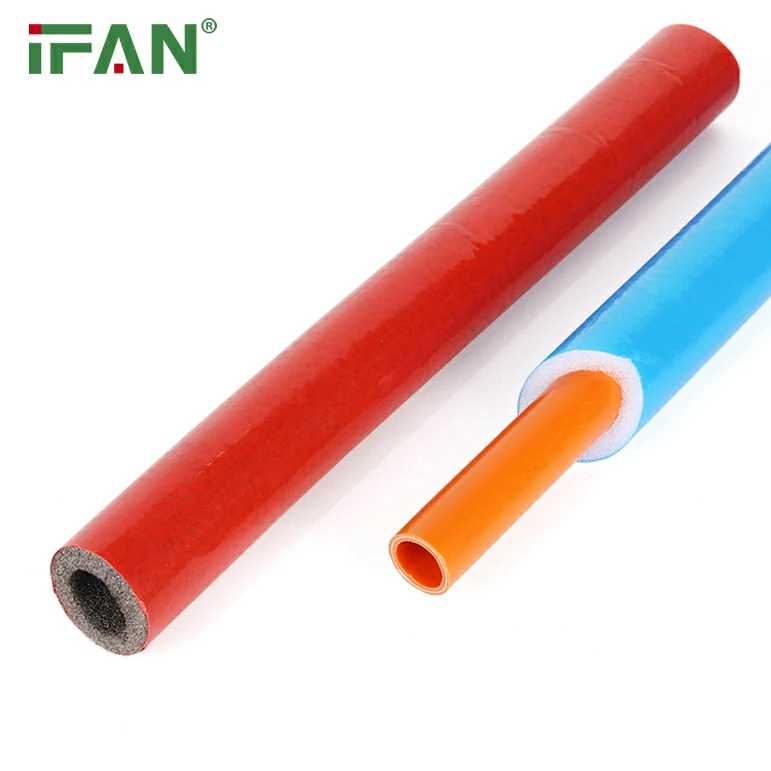
- Reduced Water Waste: PEX delivers hot water faster due to its insulation properties, minimizing water waste while waiting for water to heat up.
What’s Inside PEX Pipes?
The Material Composition of PEX
PEX pipes are primarily made from polyethylene, specifically cross-linked polyethylene (PEX). The cross-linking process occurs through either chemical or physical means. This results in a network of polymer chains that enhances the material’s strength, elasticity, and chemical resistance.
Chemical Composition
The core components of PEX pipes generally include:
- Polyethylene (PE): The base material that gives PEX pipes their flexibility and strength.
- Cross-linking Agents: These substances facilitate the cross-linking process, enabling the formation of a networked structure. Common agents are peroxide and silane.
- Additives: Manufacturers may include stabilizers and antioxidants to enhance the performance characteristics of PEX and extend its lifespan. These additives can help resist degradation from heat and ultraviolet (UV) light.
Safety Standards and Compliance
Given the critical nature of water supply, PEX pipes must comply with strict safety standards to ensure they are safe for drinking water. Organizations such as the NSF (National Sanitation Foundation) and the ANSI (American National Standards Institute) set forth rigorous testing and certification processes. Here are some key safety certifications to look for:
- NSF/ANSI Standard 61: This certification verifies that the PEX material does not leach harmful contaminants into drinking water, making it safe for potable applications.
- NSF/ANSI Standard 372: This standard ensures that the materials used in the PEX pipes meet low lead content requirements, further safeguarding water quality.
Health Considerations of PEX Pipes
While PEX pipes have numerous advantages, there are valid health considerations surrounding their use in drinking water systems. Here are some common concerns:
1. Chemical Leaching
Many consumers worry about chemicals leaching into drinking water from PEX pipes. However, substantial research indicates that reputable PEX pipes, particularly those certified by NSF/ANSI Standard 61, are designed to limit leaching to negligible levels.
2. Manufacturing Quality
It is essential to buy PEX pipes from reputable manufacturers who adhere to industry standards. Lower-quality pipes may not provide the same level of safety and can potentially leach harmful substances into the water supply.
3. Installation Practices
Improper installation techniques can also lead to issues. For example, exposure to UV light, extreme cold, or incorrect fittings can compromise the integrity of PEX pipes. Always hire certified plumbers who are familiar with PEX plumbing practices to ensure water safety.
Environmental Impact of PEX Pipes
1. Sustainability in Production
The production of PEX pipes has a lower environmental impact compared to traditional materials like copper and PVC. PEX requires less energy to manufacture and typically contributes less to resource depletion.
2. Durability and Longevity
The long lifespan of PEX pipes means fewer replacements are needed over time, minimizing environmental waste. When installed properly, PEX can last 25-50 years, reducing the need for frequent repairs and installations.
3. Recycling Efforts
While PEX pipes have traditionally been difficult to recycle, advancements are being made in recycling technologies. Manufacturers are starting to explore ways to recycle old PEX material, thus contributing to a more circular economy in the construction industry.
Key Trends Impacting the PEX Pipes Market
1. Growing Demand for Sustainable Solutions
As awareness of environmental issues grows, homeowners and businesses increasingly seek sustainable plumbing solutions. PEX pipes, with their lower carbon footprint and longevity, are well-positioned to meet this demand.
2. Innovation in Materials and Technologies
Research and development continue to enhance PEX technology, leading to improved formulations that provide better performance, lower environmental impact, and broader applications.
3. Increased Regulations
Governments and regulatory bodies worldwide are implementing stricter guidelines for water quality and materials used in plumbing systems. PEX pipes that comply with these regulations will have a competitive advantage in the market.
4. Integration of Smart Technologies
The rise of smart home technologies is creating opportunities for integrating PEX plumbing systems with smart monitoring tools that enhance water efficiency and manage consumption, further bolstering the appeal of PEX solutions.
Conclusion
PEX pipes are undeniably an excellent choice for delivering drinking water, especially for eco-conscious homeowners seeking sustainable plumbing solutions. Understanding the composition, safety standards, and environmental impact of PEX can help consumers make informed decisions. As the PEX market continues to evolve with innovations and trends, it remains a reliable and safe option for modern plumbing needs.
Frequently Asked Questions (FAQs)
- What materials are PEX pipes made of?
- PEX pipes are primarily made from cross-linked polyethylene (PEX) and may include additives to enhance their durability and performance.
- Are PEX pipes safe for drinking water?
- Yes, PEX pipes certified by NSF/ANSI Standard 61 are safe for potable water applications, as they meet strict safety and leaching standards.
- Do PEX pipes leach chemicals into drinking water?
- While there can be concerns about chemical leaching, reputable PEX pipes are designed to minimize any potential risks, particularly those certified for potable use.
- How long do PEX pipes last?
- PEX piping is designed to last between 25 to 50 years, depending on installation and environmental factors.
- Can PEX pipes be recycled?
- Recycling options for PEX pipes are limited but improving. Manufacturers are exploring methods to recycle old PEX material to reduce waste. In conclusion, as the plumbing landscape continues to prioritize sustainability, PEX pipes stand out as a forward-thinking option for delivering safe drinking water. Their versatility, durability, and adherence to safety protocols make them a valuable choice for modern plumbing installations. Understanding the components and benefits of PEX can empower consumers to make informed decisions that align with their health and environmental values.