Ball valves are an important part of the plumbing and irrigation industry. They are used to regulate the flow of liquids through pipes, hoses and other types of tubing. Ball valves are usually made of two types of materials: plastic or brass. Each material has its own set of advantages and disadvantages. However, we believe that brass ball valves are the superior choice.
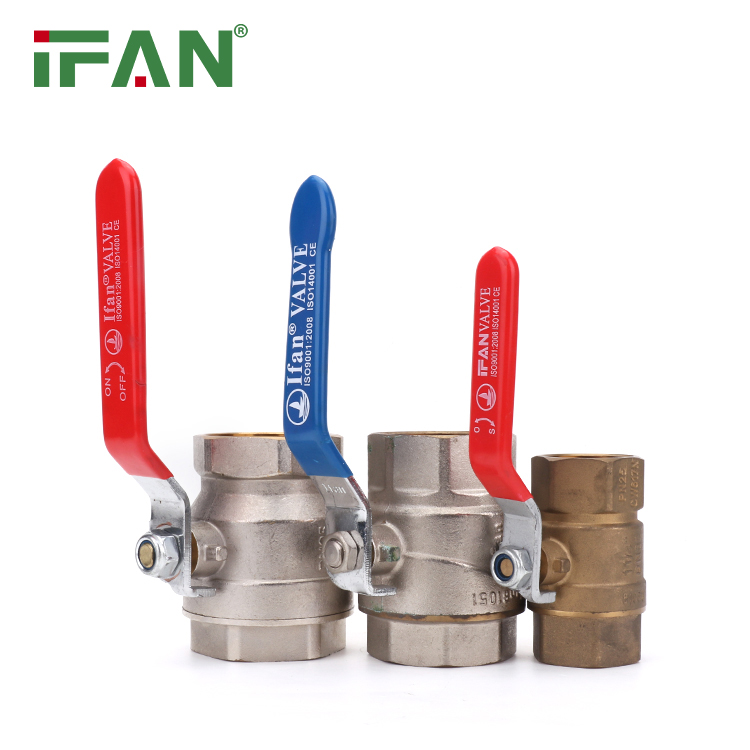
Firstly, brass ball valves are more durable than plastic ball valves. Brass is a strong and long-lasting material, which makes it an ideal choice for industrial applications. Plastic ball valves are more prone to cracking and breaking under high pressure and frequent use. This makes them less reliable and more likely to malfunction. In comparison, brass ball valves are less likely to fail, ensuring that your installations and applications will continue to function efficiently for years to come.
Secondly, brass ball valves have a higher temperature tolerance than plastic ball valves. This is important when dealing with high-temperature liquids or applications that require high-temperature components. For instance, brass ball valves are commonly used in heating systems because they can withstand higher temperatures than plastic ball valves. On the other hand, plastic ball valves will melt or deform under high temperatures, making them unsuitable for high-temperature applications.
Thirdly, brass ball valves offer greater resistance to pressure and chemicals. They are less likely to be damaged by harsh chemicals or exposure to sunlight, which can cause plastic ball valves to deteriorate over time. Brass ball valves are also able to withstand higher pressure levels. They are often used in industrial settings where there is a need for high-pressure applications. Moreover, brass ball valves are less prone to corrode and degrade, ensuring that they will remain in good condition for many years.
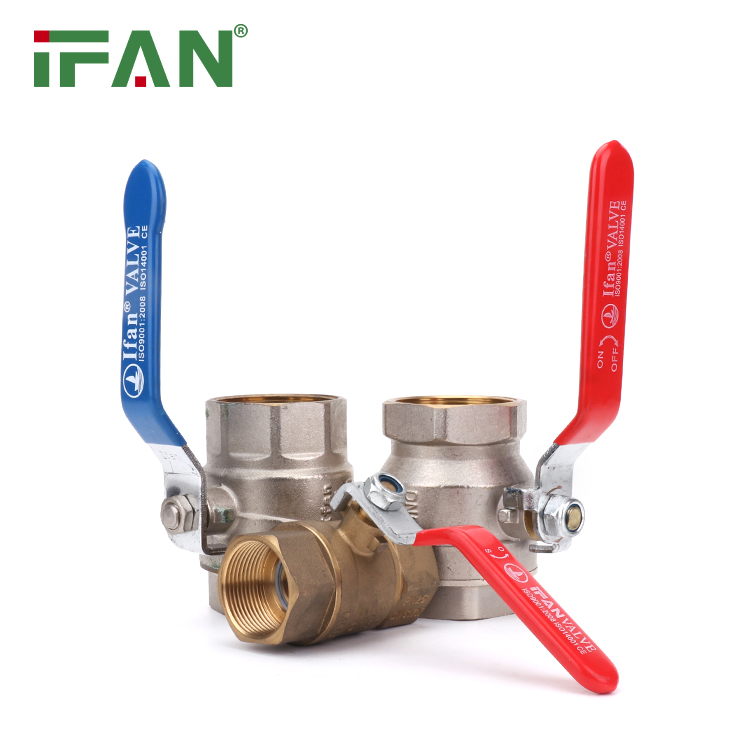
Fourthly, brass ball valves are more versatile than plastic ball valves. They can be used for a wide range of applications, including residential, commercial, industrial, and agricultural settings. Brass ball valves can also be used in harsh environments such as marine settings, where plastic ball valves would not be suitable due to their low durability. The versatility of brass ball valves gives users more options when it comes to plumbing or irrigation installations.
Lastly, brass ball valves offer greater ease of use and maintenance. They are usually easier to install and require less maintenance than plastic ball valves. Brass ball valves can be easily cleaned and lubricated, ensuring that they continue to function smoothly. Moreover, brass ball valves can be easily disassembled and repaired if they malfunction, making them a cost-effective option in the long run.
In conclusion
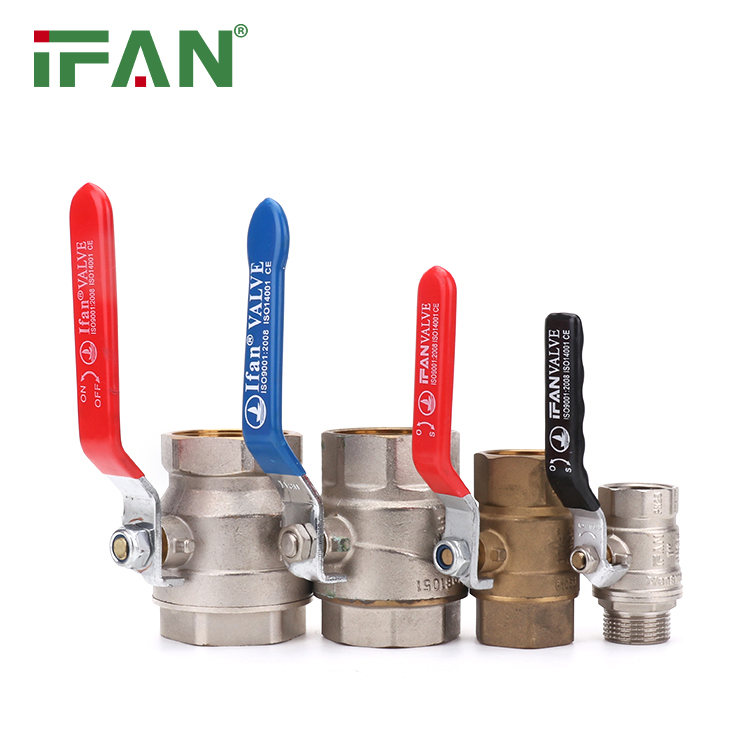
While plastic ball valves have their uses and advantages, brass ball valves are definitely the superior choice. They are more durable, heat-resistant, pressure-resistant, chemical-resistant, versatile, and easy to use and maintain. Investing in brass ball valves is a wise decision that will pay off in the long run, as they will offer reliable performance and efficiency for many years.