Why HDPE Fittings Are Superior to Other Materials
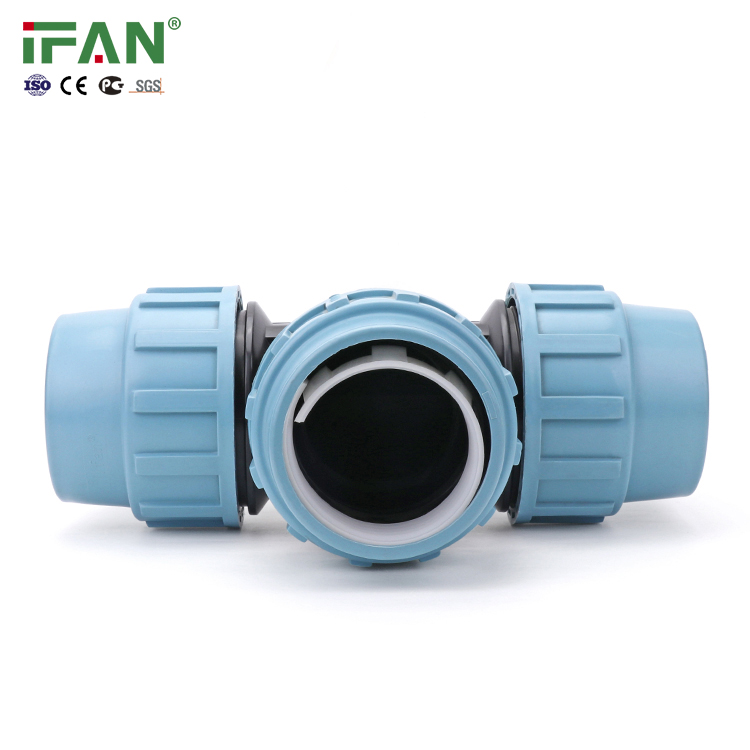
When it comes to pipe fittings, choosing the right material can make a big difference in the durability, performance, and overall success of your project. While there are many different materials available, including PVC, steel, and copper, one material stands out as superior in many ways – HDPE.
HDPE (high-density polyethylene) fittings offer a host of benefits over other materials, including:
- Extreme Durability: HDPE is incredibly tough and resists damage from impacts, abrasion, and environmental factors like UV rays and chemicals. This makes it ideal for use in harsh applications and environments where other materials may fail.
- Flexibility: HDPE fittings are incredibly flexible, allowing them to handle stresses and deflections that would crack or damage PVC or other rigid materials. This makes them ideal for projects that require some give, such as pipelines that encounter shifting soils or seismic activity.
- Corrosion Resistance: Unlike other materials, HDPE is highly resistant to corrosion and degradation, even in saline or corrosive environments. This makes it an excellent choice for projects where the pipeline or fittings may come into contact with wastewater, salts, or other corrosive substances.
- Easy Installation: HDPE fittings are lightweight and easy to install, requiring fewer tools and less time than other materials. This can save significant time and money on installation costs.
- Cost-Effective: HDPE fittings offer a lower total cost of ownership compared to other materials. They last longer, require less maintenance, and can be recycled at the end of their lifespan.
In summary, HDPE fittings are the superior choice for a wide range of pipeline and plumbing applications. Their durability, flexibility, corrosion resistance, ease of installation, and cost-effectiveness make them a valuable investment in any project.
If you are planning a pipeline or plumbing project, consider using HDPE fittings for superior performance, reliability, and value.
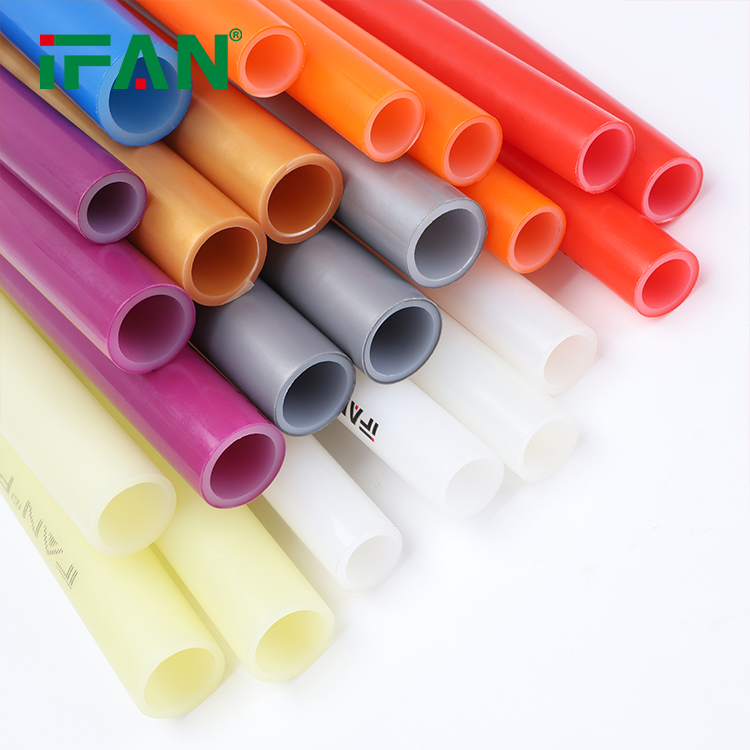
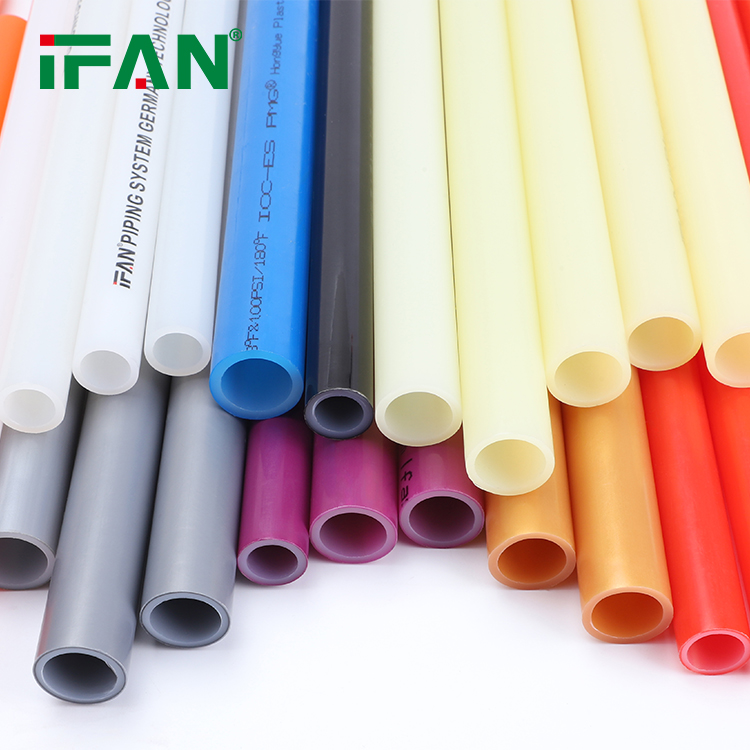
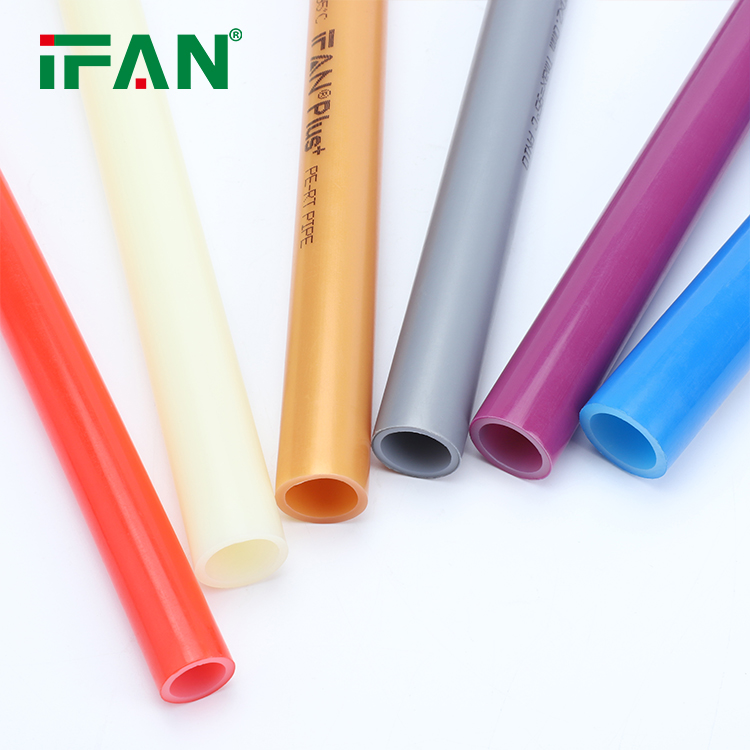
IFAN factory started in 1993. And IFAN has workshop 120000 square meter with 610 staff. IFAN can design and produce all plumbing pipe and fitting include PPR,PVC,CPVC PPSU HDPE PEXA PEXB PERT pipe and fitting ,brass fitting, brass ball valve ,heating system , gas system , sanitary faucets and hose, In the past 30 Years, IFAN has never forgotten his mission-To protect health and safety. And IFAN factory use best materials to produce high quality pipe and fittings with automatic production line and high tech quality control machines. The most important,IFAN can guarantee that all pipes and fittings manufactured by IFAN are qualified.
Free Sample(Click Here to Get Free Sample)