Why PPR Fittings Should be Your Go-to Choice for Any Plumbing Project
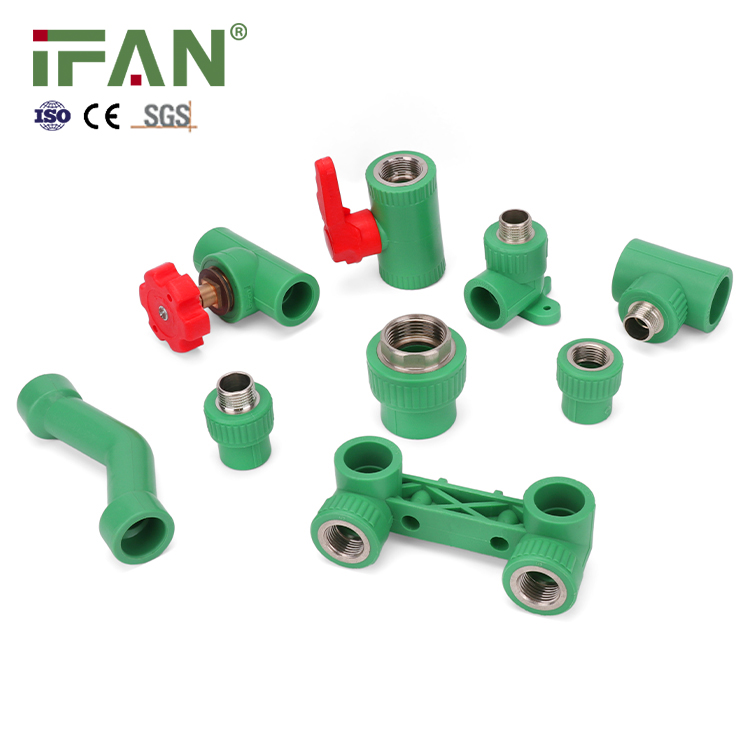
PPR (polypropylene random copolymer) piping systems have been gaining popularity in recent years for their versatility, durability, and cost-effectiveness. PPR fittings, in particular, are an excellent choice for any plumbing project. Here are the top reasons why:
- High Temperature and Pressure Resistance
PPR fittings are able to withstand high temperatures and pressures, making them ideal for both hot and cold water systems. They can handle temperatures up to 95°C and pressures up to 25 bar, which is higher than most other piping systems.
- Chemical Resistance
PPR fittings are highly resistant to chemicals, including acids and alkalis. This makes them an excellent choice for industrial applications, where chemical resistance is a must. They are also safe for use in potable water systems, as they don’t leach harmful chemicals into the water.
- Smooth Interior Surface
The smooth interior surface of PPR fittings prevents the buildup of deposits and sediment, reducing the risk of clogs and blockages. This also results in better flow rates and lower energy costs compared to other piping systems.
- Easy to Install
PPR fittings are lightweight and easy to install, thanks to their simple and efficient fusion welding system. This also means that there are fewer connections required, reducing the risk of leaks and failures.
- Longevity
PPR fittings have a lifespan of up to 50 years, making them a durable and long-lasting solution. This means that once installed, you don’t have to worry about costly repairs or replacements for decades.
- Eco-Friendly
PPR fittings are eco-friendly and sustainable, as they are made from 100% recyclable materials. This reduces their impact on the environment and lowers carbon emissions.
In conclusion, PPR fittings are a smart choice for any plumbing project, offering high temperature and pressure resistance, chemical resistance, smooth interior surface, ease of installation, longevity, and eco-friendliness. So why settle for anything less when you can have the best? Choose PPR fittings for your next plumbing project!