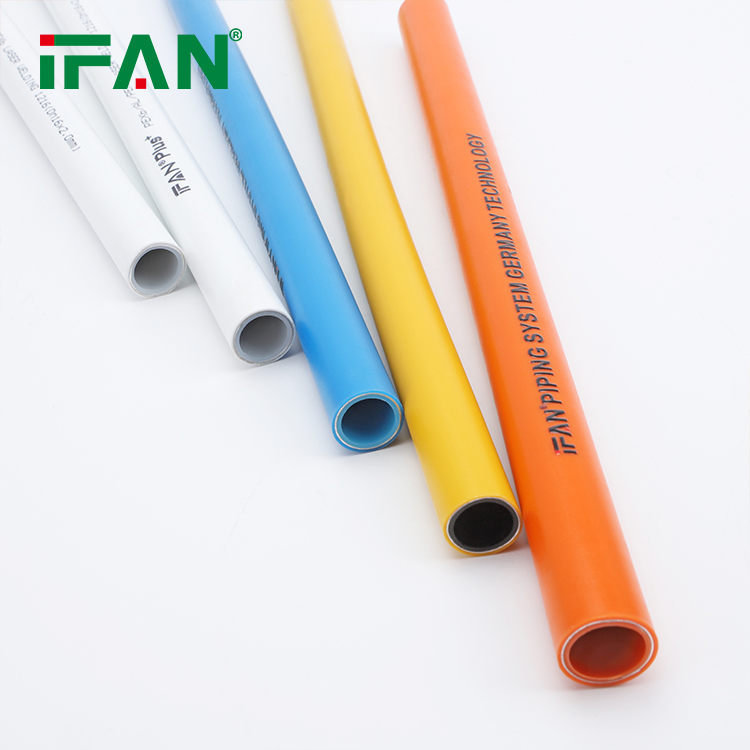
PPR Fittings versus Traditional Plumbing Materials: A Comparison
When it comes to building a home or commercial building, one of the primary considerations is plumbing. The plumbing system is critical in ensuring a seamless and convenient flow of water and other fluids throughout the building. Traditionally, metal and PVC pipes have been used for plumbing. However, PPR fittings have emerged as a popular alternative. In this article, we will explore the features and benefits of PPR fittings and compare them to traditional plumbing materials.
What are PPR Fittings?
PPR (polypropylene random copolymer) fittings are a type of plastic fitting used for plumbing and heating systems. They are made of high-quality plastic, which is resistant to high temperature and pressure. PPR fittings come in different types, including elbow, tee, socket, and end cap.
Advantages of PPR Fittings
- Durability
PPR fittings are durable and long-lasting. They can withstand high temperature and pressure, which makes them an ideal solution for plumbing systems. Additionally, they are resistant to corrosion and chemical damage. PPR fittings do not rust or corrode, even if used in salty water environments.
- Easy to Install
PPR fittings are easy to install and require minimal tools and equipment. They can be quickly and easily connected using weld-in fittings, which makes them more convenient and cost-effective than traditional plumbing materials. PPR fittings also require less time and labor to install, reducing the overall installation cost.
- Environmentally Friendly
PPR fittings are environmentally friendly because they do not contain any toxic or hazardous materials. They are also recyclable, which makes them a good choice for sustainable construction. Additionally, PPR fittings have a lower carbon footprint than traditional plumbing materials, reducing the impact on the environment.
- Cost-Effective
PPR fittings are cost-effective compared to traditional plumbing materials. They require less labor and time to install, reducing the overall installation cost. Additionally, PPR fittings are less prone to damages, which lowers the maintenance and repair cost.
Comparison between PPR Fittings and Traditional Plumbing Materials
- Material
PPR fittings are made of high-quality plastic, while traditional plumbing materials are made of metal or PVC. PPR fittings are more durable and long-lasting compared to traditional plumbing materials. Metal pipes are prone to corrosion, rust, and leaks, while PVC pipes can become brittle over time.
- Installation
PPR fittings are easy to install and require minimal tools and equipment. Traditional plumbing materials require more labor and time to install, increasing the overall installation cost. Additionally, PPR fittings can be easily connected using weld-in fittings, while metal pipes require a more complex and time-consuming soldering process.
- Maintenance
PPR fittings require minimal maintenance and are less prone to damages compared to traditional plumbing materials. Metal pipes are prone to corrosion, rust, and leaks, and require regular maintenance and repair. PVC pipes can become brittle over time, leading to cracks and leaks.
Conclusion
In conclusion, PPR fittings are a cost-effective and environmentally friendly alternative to traditional plumbing materials. They are durable, easy to install, and require minimal maintenance. PPR fittings are made of high-quality plastic and can withstand high temperature and pressure, making them an ideal solution for plumbing systems. The comparison between PPR fittings and traditional plumbing materials highlights the advantages of using PPR fittings in construction.
Meta Description : Looking for a durable, easy to install and cost-effective plumbing solution? Look no further than PPR fittings. Discover the features and benefits of PPR fittings compared to traditional plumbing materials here.