If you’re sourcing PEX, the certification question comes up fast. And it’s easy to get buried in standard numbers and acronyms. Let’s keep this practical—what actually matters, and what you can check without a compliance officer on speed dial.
Start with the basics: drinking water or heating?
Where the pipe is going decides which certifications are relevant. If it’s carrying drinking water, the pipe needs to be certified for contact with potable water. In North America, that’s NSF/ANSI 61. In the UK, it’s WRAS. These aren’t optional stickers—they mean someone independent has tested the material for what it releases into the water.
If the pipe is for heating loops, the priority shifts. You’re now looking at whether the pipe has an oxygen barrier, and whether that barrier meets a recognized standard. DIN 4726 is the common reference in Europe. Without a barrier, oxygen sneaks through the pipe wall and quietly eats the metal parts in the system.
“Meets the standard” is not the same as “certified”
This is the trap. A pipe can print “ASTM F876” on the side and still have never been tested by anyone. ASTM F876 is a product standard—it describes what the pipe should do. Certification is a separate thing: an independent body confirming the pipe actually does it.
The Plastics Pipe Institute flagged this exact problem recently—pipes showing up with standard markings but no third-party certification behind them. So when a supplier says “we meet F876,” the follow-up question is: certified by whom, and what’s the certificate number?
The one check that takes five minutes
Ask for the certificate number, not a photo of the certificate. Then go to the issuing body’s website—NSF, WRAS, KIWA, whoever—and search it. You’ll see the company name, the product range, and the sizes covered. If the number doesn’t come up, or the company name doesn’t match who you’re talking to, that tells you something.
This is the single most useful thing a buyer can do before placing an order. It filters out a surprising number of suppliers who are either reselling someone else’s paperwork or stretching what their certificate actually covers.
Look at the pipe itself
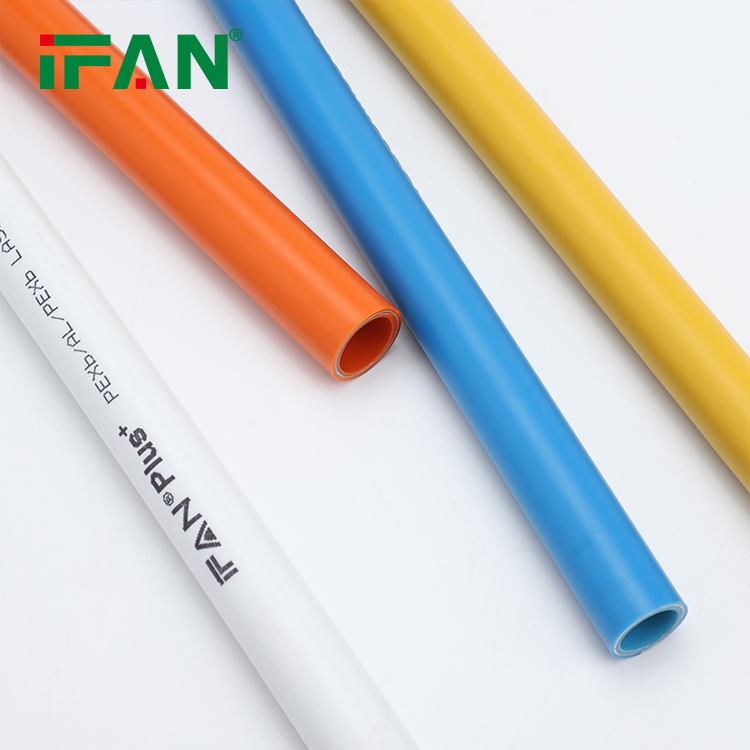
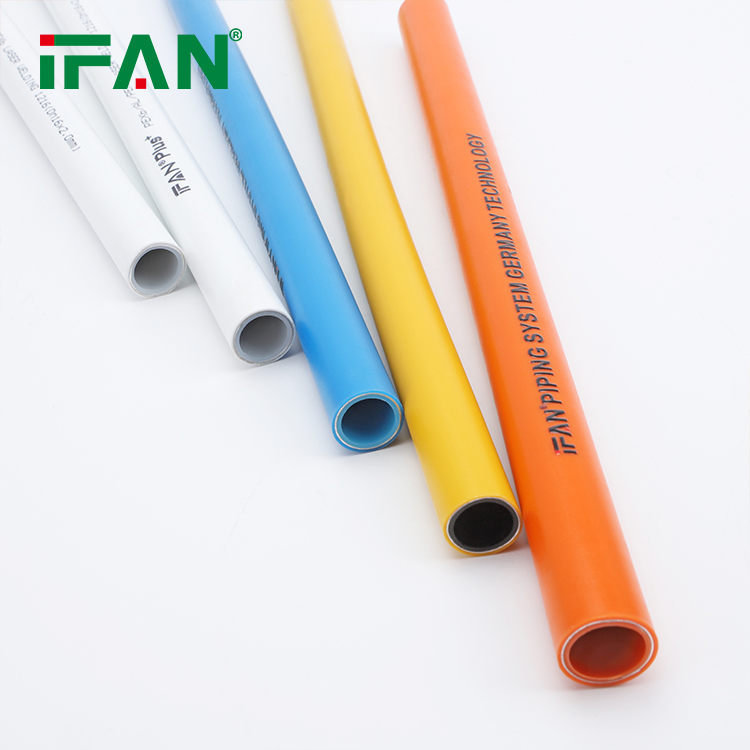
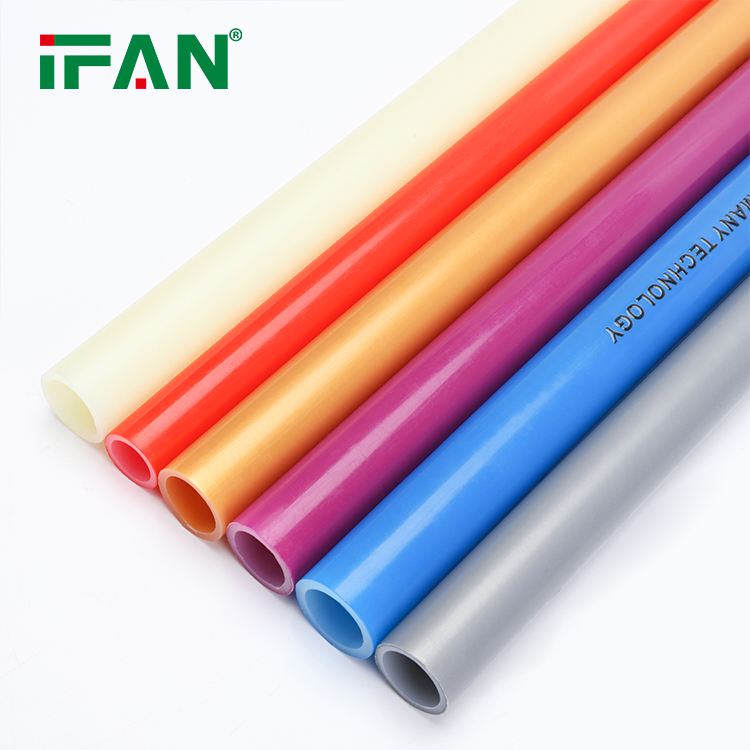
Certification should show up on the pipe, not just in a PDF. Good PEX is printed at regular intervals with the size, standard reference, and the certifier’s mark or listing number. If you’re holding a sample and the print line has a standard number but no certifier’s logo anywhere, that’s worth asking about.
Also check that the sizes in your order match the sizes on the certificate. A certificate covering 16mm pipe doesn’t automatically cover 20mm.
Don’t overcomplicate it
You don’t need to memorize every standard. You need three things: the right certification for the application, a certificate number you can verify yourself, and pipe markings that match the paperwork. If a supplier gets defensive about any of those, that’s your answer.
For buyers working with IFAN, the certificates are in the company’s own name and the numbers are meant to be checked—that’s the point of having them. The verification step isn’t distrust. It’s just how you avoid finding out later that the paperwork belonged to someone else.