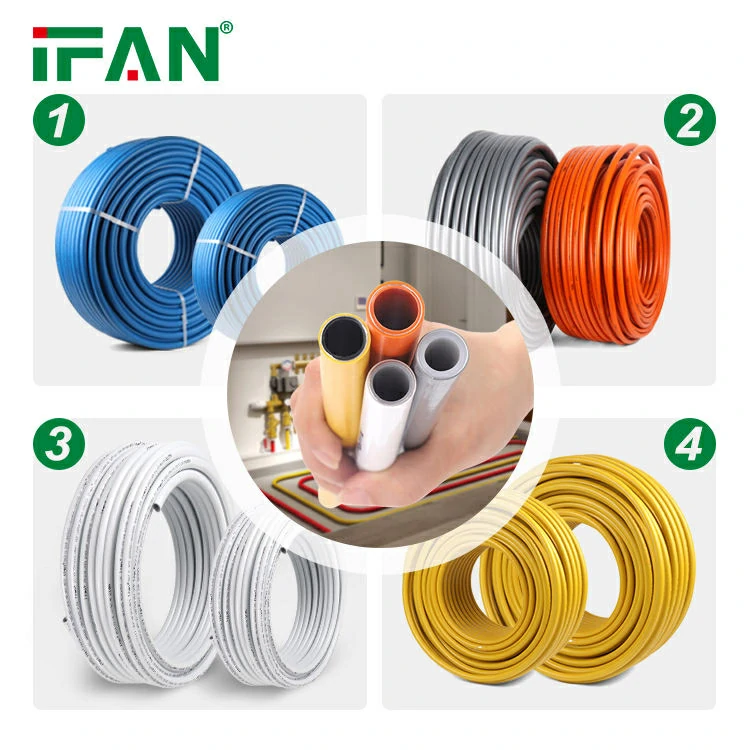
PEX pipe is not designed for outdoor use. That sentence appears in ASTM F2657, the standard test method for outdoor weathering exposure of PEX tubing, and it is the most direct answer you will find anywhere. The pipe can handle short-term sun exposure on a job site, but prolonged UV radiation degrades the material in ways you cannot see, and the damage does not announce itself until years later.
What UV Actually Does to PEX
Sunlight breaks down the polymer chains in PEX over time. The Plastics Pipe Institute’s labeling guideline is blunt about the consequence: “UV damage is not visible to the naked eye and may degrade the material and reduce its service life”. That is the uncomfortable part. A pipe that looks perfectly fine after sitting in the sun for a month may already have compromised its long-term pressure resistance. You will not know until it fails behind a wall.
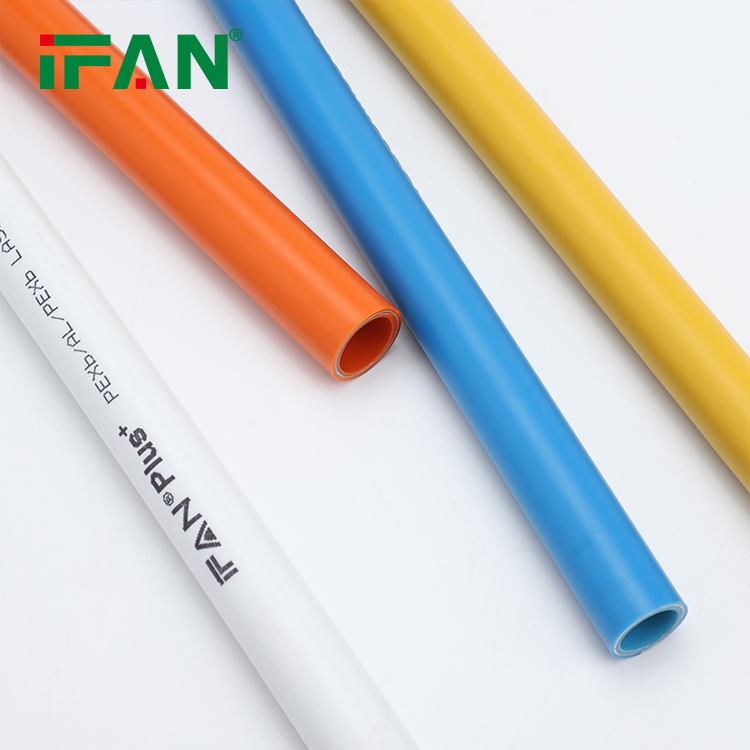
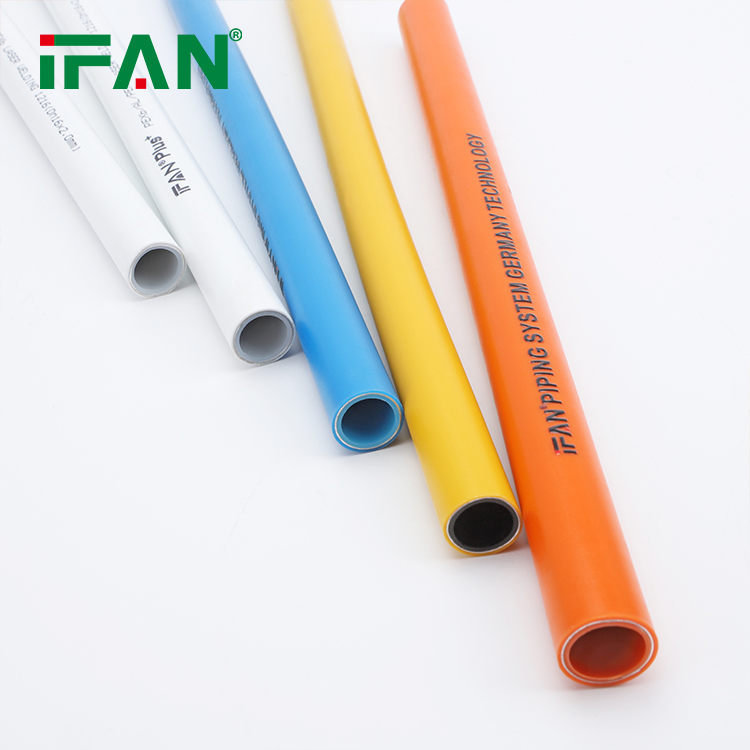
The industry tests UV resistance through ASTM F2657, which exposes tubing to natural sunlight in a standardized worst-case environment—central Arizona, with high ambient temperature and high UV radiation. The results feed into a four-digit material designation code printed on the pipe. The second digit tells you the UV rating: 0 means not rated, 1 means one month, 2 means three months, and 3 means six months or greater. This is the number you should look for if UV exposure during construction is unavoidable.
The Practical Problem with “X Days”
PPI recommends that manufacturers label packaging with a maximum UV exposure time, expressed as “X days”. The problem is that X varies wildly between products. One manufacturer’s non-barrier PEX-a allows 15 days of accumulated exposure, while its oxygen-barrier version and UV-shielded lines allow 90 days to a full year depending on application. Another major brand’s PEX carries a code indicating six months minimum UV resistance, but the manufacturer notes it has tested to twelve months.
The takeaway is not a universal number. It is that you must check the specific product’s rating before you assume anything. A generic “PEX can handle some sun” attitude is how specifications go wrong.
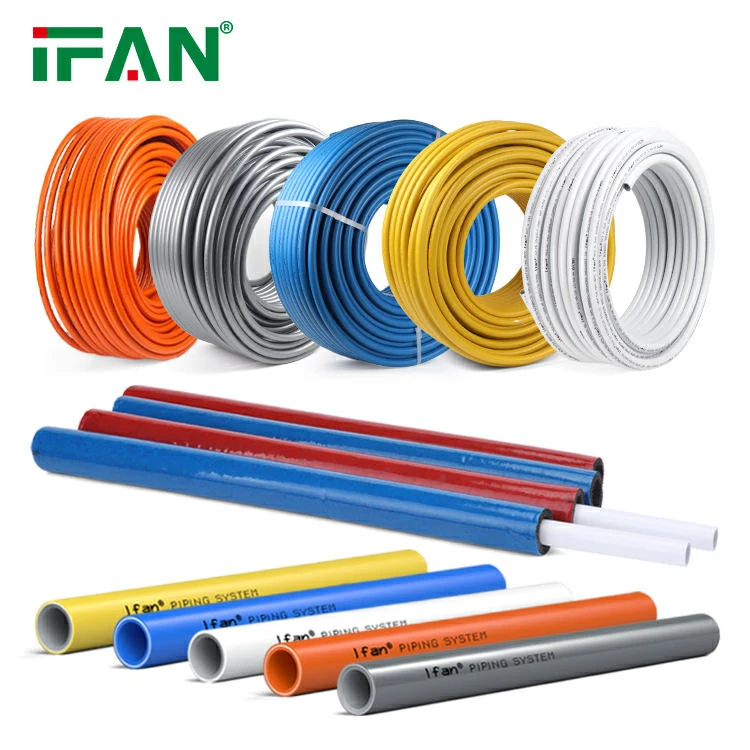
Storage Rules That Actually Matter
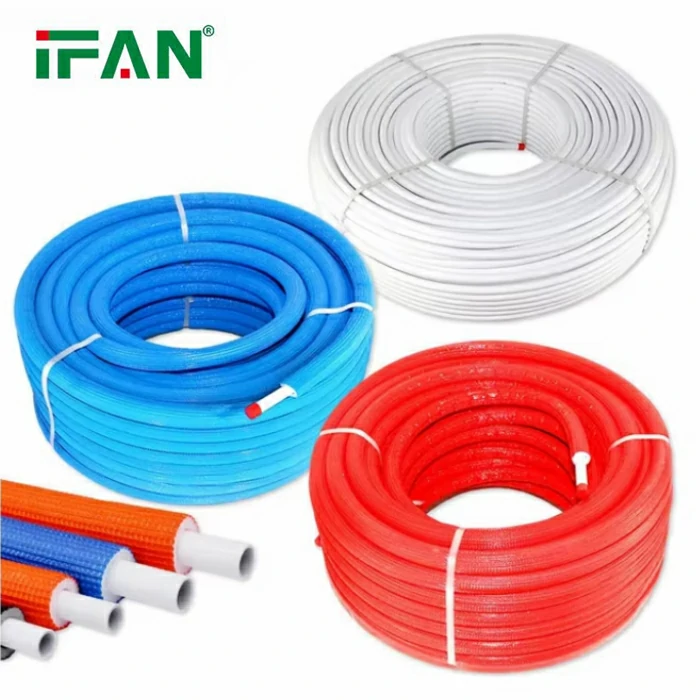
The PPI guideline is simple: keep PEX stored indoors in its original packaging until installation, and do not store unprotected PEX outdoors. The original packaging is not just for inventory control—it is the UV shield. Coils that sit on a jobsite trailer or in an open yard for weeks are accumulating exposure that counts against the rated limit.
For cold-climate buyers, there is an additional wrinkle. Pipe stored in freezing conditions becomes stiff and harder to handle, but that is a workability issue rather than a UV one. The UV clock starts when the pipe leaves the packaging, not when the temperature drops.
During Installation: Exposure Is Temporary, But It Counts
Once the pipe is inside a wall, ceiling, or slab, UV is no longer a concern. The exposure window is the period between uncoiling and permanent concealment. On a typical residential job, that is days, not months. The rated exposure limits exist precisely to cover this window.
The situation gets riskier on commercial projects where pipe may be roughed in early and left exposed for weeks before ceilings close. If the schedule stretches, the UV budget shrinks. A pipe with a 15-day allowance and a month-long rough-in is already past its limit before the drywall goes up.
Indoor Lighting: The Less Obvious Source
PPI published a technical note in 2025 addressing artificial lighting, and the findings are worth knowing for commercial and industrial installations. Fluorescent lights—both tubular and compact—emit enough UV that long-term proximity can matter. The recommended setback distance is 36 inches for residential and light commercial applications, and 30 feet for industrial settings. Incandescent and LED sources are of less concern.
This is not a reason to panic about every boiler room with a fluorescent fixture. But if you are running PEX through a warehouse ceiling near rows of high-output fluorescents, the setback guideline is a reasonable design constraint.
The IFAN Angle: What to Check Before You Specify
For buyers, the UV conversation comes down to one practical question: what does the pipe’s material designation code say, and does it match your project timeline? IFAN’s PEX-a production runs in-house, which means the material formulation—including any UV stabilization package—is controlled at the source rather than varying between batches. That consistency is what makes a rated exposure window meaningful. A pipe that claims a six-month rating but drifts in production is not a pipe you can schedule around.
The other point is packaging discipline. IFAN ships coils in protective packaging, and keeping them wrapped until the moment of installation is not fussiness—it is the difference between using the pipe’s UV budget on the job and wasting it in the yard.
Bottom Line for the Jobsite
Check the second digit of the material designation code. Keep coils in the original packaging until you are ready to pull them. Do not store PEX outdoors. If a rough-in is going to sit exposed for longer than the rated window, either cover it or accept that the pipe’s service life has been reduced. And remember the invisible part: UV damage does not show up as a crack or a discoloration you can catch during a walkthrough. It is a slow change in the material that only reveals itself when the pipe is under pressure and no one is watching.