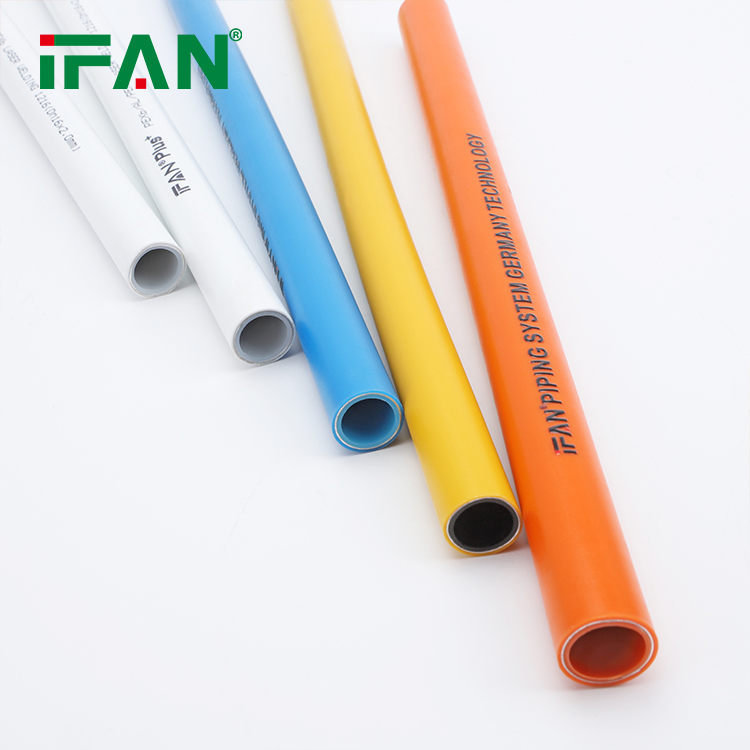
PPR Fittings for Beginners: An Introduction to the World of Plumbers
If you’re new to the plumbing industry, you may not yet be familiar with PPR fittings. But don’t worry, we’re here to introduce you to the world of PPR and explain why it’s quickly becoming the go-to material for plumbing fittings.
What Are PPR Fittings, and Why Are They Important?
PPR fittings are made from a type of plastic called polypropylene random copolymer. They’re designed to be used in hot and cold water systems, making them perfect for both residential and commercial plumbing projects.
One of the main advantages of PPR fittings is that they’re extremely durable. They can withstand high temperatures, meaning they won’t degrade or break down over time. They’re also resistant to corrosion, which makes them ideal for use in buildings with hard water.
In addition to their strength and durability, PPR fittings are also easy to install. They’re lightweight and can be easily cut to size, making them a great option for DIY projects.
Advantages of PPR Fittings
- Long-lasting durability: PPR fittings have a long lifespan and are resistant to wear and tear, cracking, and breakage.
- Corrosion-resistant: Unlike metal fittings, PPR fittings won’t corrode or rust.
- Easy to install: PPR fittings can be easily cut and connected without the need for specialized tools.
- Safe for drinking water: PPR is a non-toxic material that won’t leach harmful chemicals into drinking water.
- Cost-effective: PPR fittings are competitively priced and offer excellent value for money.
How to Choose the Right PPR Fittings for Your Project
When selecting PPR fittings for your plumbing project, it’s important to choose the right size and style for your needs. PPR fittings come in a range of sizes, so make sure to measure the pipes you’ll be connecting before you buy.
You’ll also need to choose the right connection method. PPR fittings can be connected using a variety of techniques, including fusion welding, mechanical coupling, or push-fit connectors.
Remember to pay attention to the pressure rating of the fittings, as this will determine how much water pressure they can handle. Make sure to choose fittings that can handle the pressure requirements of your system.
Conclusion
PPR fittings offer a range of advantages over other types of plumbing fittings, making them a popular choice for both professionals and DIY enthusiasts. They’re durable, easy to install, and competitively priced, making them an excellent choice for any plumbing project.
So next time you’re considering plumbing fittings for your project, give PPR fittings a try. You won’t be disappointed!
Meta description: Discover the benefits of PPR fittings for plumbing, including their durability, resistance to corrosion, and ease of installation. Ideal for both professionals and DIY projects.