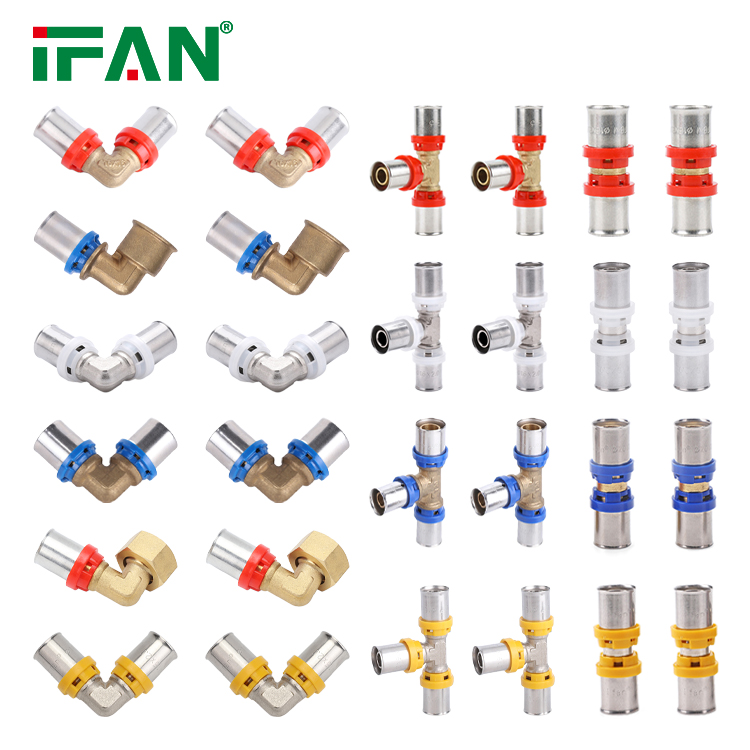
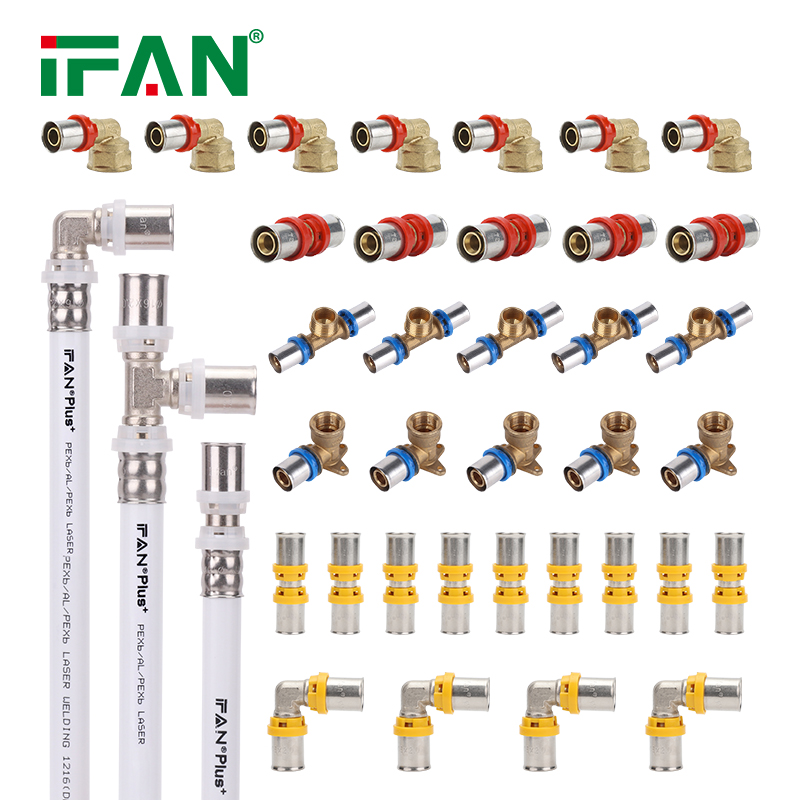
Introduction to Brass Fitting Tee
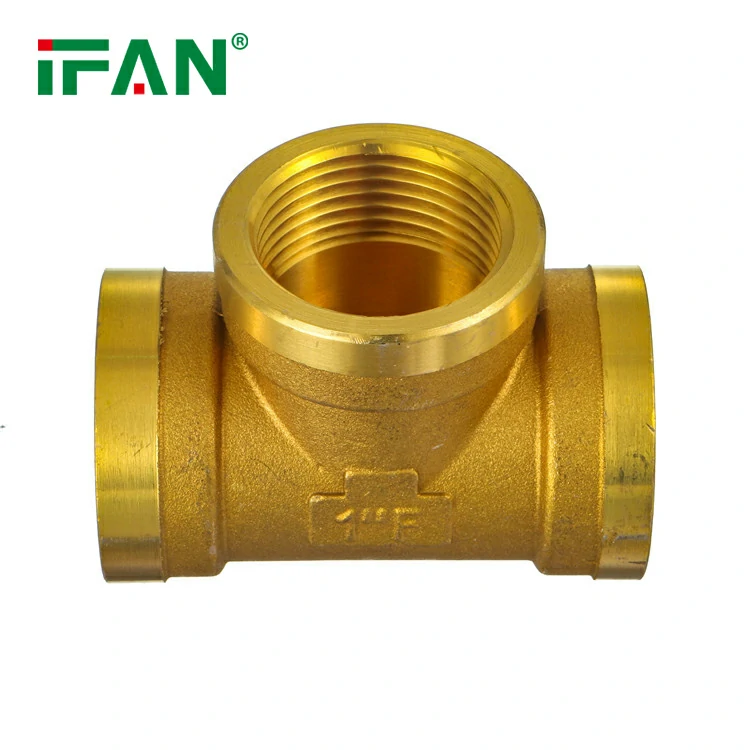
The brass fitting tee is a versatile and essential component in industrial pipeline systems. It serves as a junction point, allowing for the connection of three separate pipes or hoses in a “T” configuration. The use of brass, a durable and corrosion-resistant alloy, ensures that these fittings withstand the rigorous demands of various industrial applications. This article delves into the specifics of brass fitting tees, exploring their design, functionality, applications, advantages, and importance in maintaining efficient fluid transfer.
Design and Construction
Brass fitting tees are designed with precision to ensure a secure and leak-free connection. They typically feature threaded ends that mate with corresponding pipe threads, facilitating easy installation and removal. The tee’s body, made of brass, exhibits excellent mechanical strength and resistance to corrosion, making it suitable for use in a wide range of fluids and environments. Additionally, some brass fitting tees incorporate seals or gaskets to further enhance their sealing capabilities, ensuring a tight fit and preventing fluid leakage.
Functionality in Industrial Pipeline Systems
The primary functionality of brass fitting tees is to provide a means of diverting or combining fluid flow within a pipeline system. They allow for the efficient distribution of fluids from a single source to multiple destinations or the combination of fluids from different sources into a single pipeline. This capability is crucial in industrial applications where precise control over fluid flow is essential for maintaining process efficiency and safety.
Applications Across Industries
Brass fitting tees find widespread use across various industrial sectors, including oil and gas, chemicals, power generation, food processing, and water treatment. In oil and gas applications, they are used to divert hydrocarbons between different sections of the pipeline system or to connect auxiliary lines for instrumentation or control. The chemicals industry relies on brass fitting tees to handle corrosive media safely and efficiently. Power generation plants employ them in steam lines, while food processing facilities and water treatment plants utilize them for the distribution of process fluids.
Advantages and Benefits
The use of brass fitting tees in industrial pipeline systems offers numerous advantages and benefits. Their durability and corrosion resistance ensure long-term reliability and reduced maintenance costs. The ease of installation and removal simplifies maintenance procedures and facilitates modifications to the pipeline system. Furthermore, brass fitting tees are cost-effective, offering a practical and affordable solution for a wide range of industrial applications. Their versatility and adaptability make them an ideal choice for connecting pipes of different sizes and materials, enabling the efficient integration of various components within the pipeline system.
Conclusion
In conclusion, brass fitting tees play a crucial role in maintaining the efficiency and reliability of industrial pipeline systems. Their design, functionality, and applications across various industries underscore their importance in fluid transfer operations. By leveraging the advantages and benefits of brass fitting tees, industrial operations can ensure precise control over fluid flow, reduce downtime, and maintain the integrity of their pipeline systems.