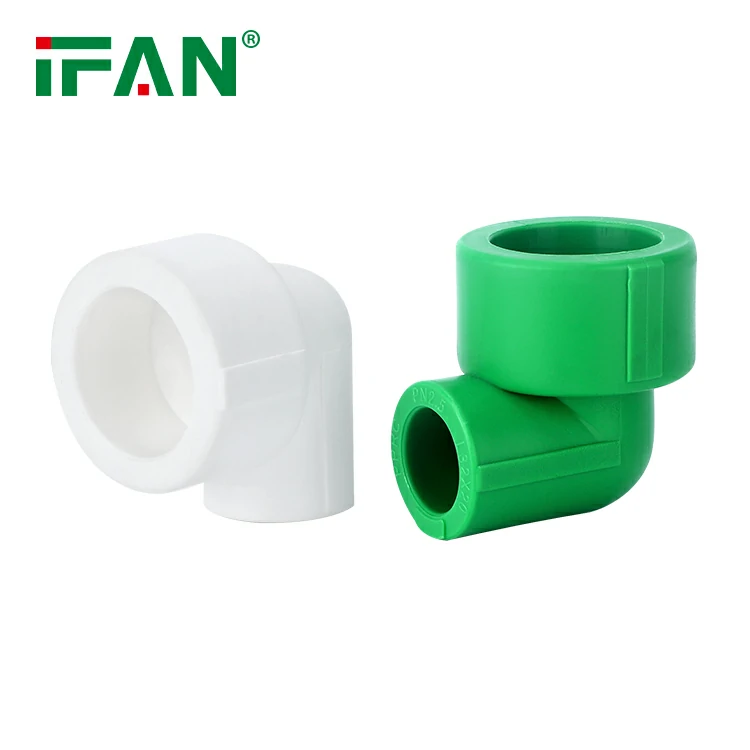
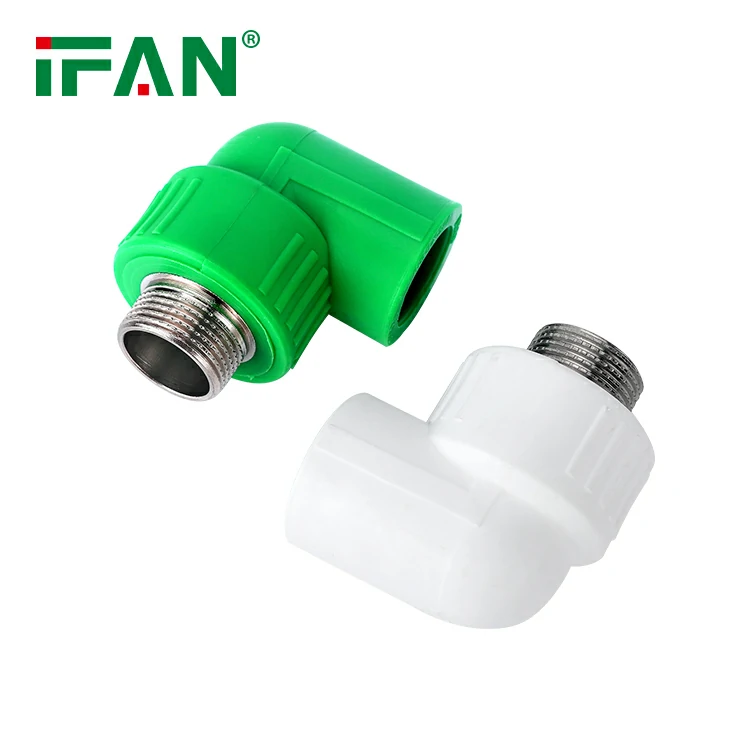
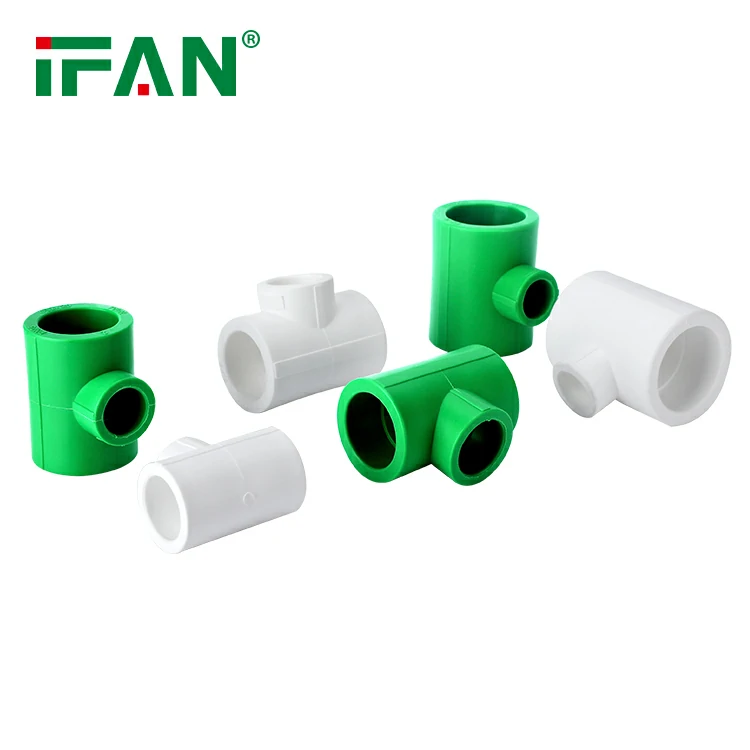
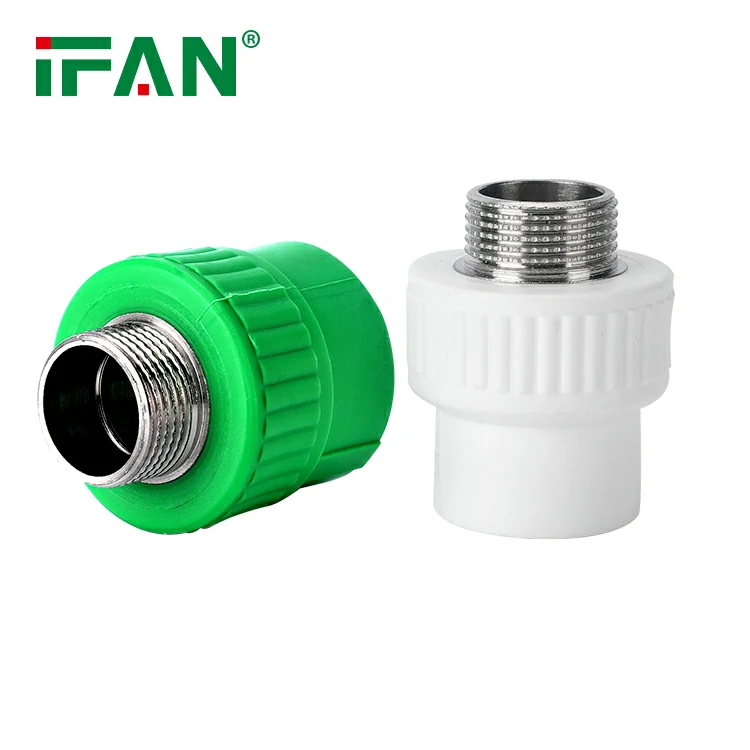
IFAN factory 30+ years manufacture experience support color /size customization support free sample.Welcome to consult for catalog and free samples.This is our Facebook Website:www.facebook.com,Click to watch IFAN’s product video.Compared with Tomex products, our IFAN products from quality to price are your best choice, welcome to buy!
Introduction to Corrosion Resistance in PPR Fittings
PPR (Polypropylene Random Copolymer) fittings are renowned for their excellent resistance to corrosion, a property that makes them highly suitable for various plumbing applications. Understanding the science behind this resistance is crucial for appreciating why PPR fittings are preferred over traditional materials like metal. This article delves into the chemical properties of PPR, its structural characteristics, and how these factors contribute to its superior corrosion resistance.
Chemical Composition and Corrosion Resistance
The primary factor behind PPR fittings’ resistance to corrosion lies in their chemical composition. PPR is a type of polypropylene with a random copolymer structure, which includes both polypropylene and ethylene-propylene monomers. This molecular structure imparts exceptional stability and resistance to chemical reactions. Unlike metals, which can react with water and other substances leading to rust and corrosion, PPR’s non-reactive nature means it remains unaffected by water’s chemical composition. This inherent stability ensures that PPR fittings do not degrade or suffer from corrosion even when exposed to various types of water, including those with slightly acidic or alkaline properties.
Absence of Electrochemical Reactions
Corrosion in metals often results from electrochemical reactions where different metals or metal parts come into contact with each other and the electrolyte (usually water). This process creates galvanic cells that lead to rust and deterioration. PPR fittings, however, are made entirely from synthetic polymer materials and do not involve any metal components. As a result, there are no electrochemical reactions that can cause corrosion. This absence of metal-to-metal contact or metal-to-water interaction is a key reason why PPR fittings maintain their integrity and do not corrode, even in environments where metals might struggle.
Resistance to Chemical Exposure
PPR fittings exhibit remarkable resistance to a wide range of chemicals, which contributes to their corrosion resistance. In plumbing systems, the water may contain various dissolved substances, including salts, acids, or other chemical compounds. PPR’s chemical resistance means it does not react adversely to these substances, avoiding the degradation that metals often experience. This property is particularly advantageous in applications where the water quality can fluctuate, as PPR fittings ensure consistent performance without the risk of corrosion-related failures.
Structural Integrity and Longevity
The structural characteristics of PPR fittings further enhance their resistance to corrosion. PPR is a thermoplastic material that retains its structural integrity over time. Unlike metals that can become brittle and crack due to corrosion, PPR fittings maintain their flexibility and strength. This structural durability ensures that PPR fittings can withstand not just chemical attacks but also physical stresses without compromising their performance. The longevity of PPR fittings, therefore, is a direct result of their ability to resist both chemical corrosion and physical degradation.
Practical Implications of Corrosion Resistance
The corrosion resistance of PPR fittings has practical implications for their use in various applications. In cold water systems, this resistance ensures that PPR fittings will not suffer from the same issues of rust, leaks, or blockages that metal fittings might. This translates to fewer maintenance requirements and a longer service life for the plumbing system. Additionally, the reliability of PPR fittings reduces the need for frequent replacements, which not only saves costs but also minimizes the environmental impact associated with disposal and replacement of corroded fittings.
Conclusion
PPR fittings’ resistance to corrosion is a result of their unique chemical composition, absence of electrochemical reactions, resistance to chemical exposure, and robust structural integrity. These factors combine to make PPR fittings a superior choice for plumbing systems, especially in environments where corrosion is a concern. Understanding the science behind their corrosion resistance helps in appreciating their value and longevity in various applications, ultimately contributing to more reliable and cost-effective plumbing solutions.