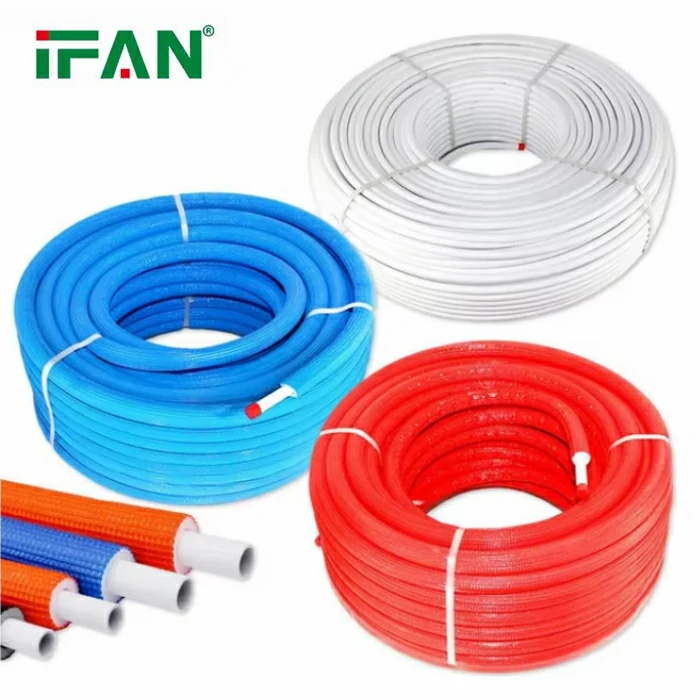
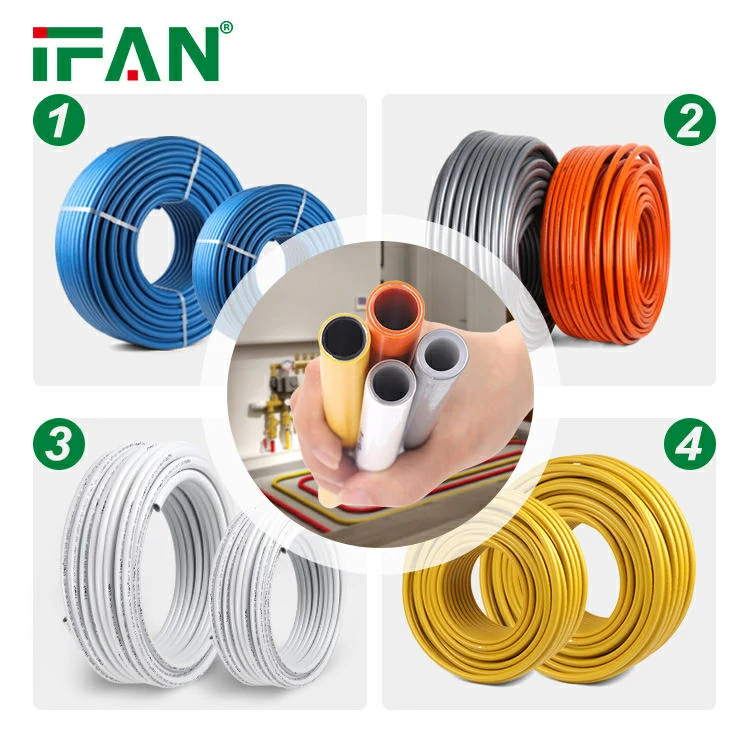
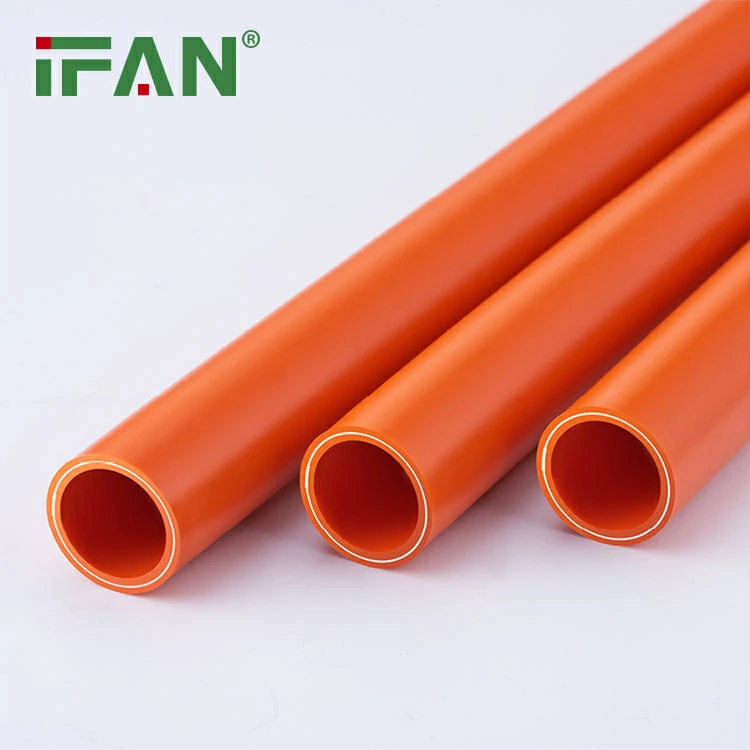
IFAN factory 30+ years manufacture experience support color /size customization support free sample.Welcome to consult for catalog and free samples.This is our Facebook Website:www.facebook.com,Click to watch IFAN’s product video.Compared with Tomex products, our IFAN products from quality to price are your best choice, welcome to buy!
Introduction to PPR Fittings in Building Regulations
Polypropylene Random Copolymer (PPR) fittings are increasingly recognized for their advantages in plumbing systems, particularly in compliance with building regulations. These regulations are essential for ensuring the safety, efficiency, and longevity of plumbing systems within residential and commercial buildings. This article explores the role of PPR fittings in meeting building regulations, their benefits, and how they align with various codes and standards.
Compliance with Safety Standards
PPR fittings meet stringent safety standards set by building regulations due to their non-toxic and safe properties. Building codes often require materials used in plumbing systems to be free from harmful substances, such as lead or cadmium, which can pose health risks. PPR, being a synthetic polymer, does not leach harmful chemicals into the water supply, making it compliant with regulations aimed at ensuring potable water safety. Additionally, PPR fittings are resistant to microbial growth, which further enhances their suitability for maintaining hygienic conditions in water systems.
Performance in Fire Safety
Another critical aspect of building regulations is fire safety. Regulations typically mandate that materials used in building construction, including plumbing fittings, must adhere to fire-resistant standards. PPR fittings offer inherent fire resistance as they have a high ignition temperature and do not burn easily. Moreover, they produce minimal smoke and toxic fumes when exposed to fire, which is a significant advantage for safety during fire emergencies. PPR’s fire-resistant properties align well with building codes that emphasize the importance of materials that contribute to overall fire safety.
Durability and Longevity
Building regulations also emphasize the durability and longevity of materials used in construction. PPR fittings are known for their exceptional durability, which aligns with these regulations. They are resistant to corrosion, chemical damage, and wear and tear, which extends their service life and reduces the need for frequent replacements. This durability is essential for ensuring that plumbing systems remain functional and reliable over time. Compliance with regulations that require long-lasting materials is thus a strong point in favor of PPR fittings.
Environmental Considerations
Sustainability is an increasingly important aspect of building regulations. Many modern codes and standards promote the use of environmentally friendly materials. PPR fittings contribute positively to environmental regulations due to their recyclable nature and energy-efficient production processes. Unlike metals, which require extensive energy for production and have significant environmental impacts, PPR’s manufacturing process is relatively energy-efficient and less polluting. Additionally, the recyclability of PPR fittings supports building codes that aim to reduce waste and promote sustainable practices.
Installation and Maintenance Requirements
Building regulations also address the installation and maintenance of plumbing systems. PPR fittings are favored for their ease of installation and low maintenance requirements, which align with these regulations. They are lightweight, easy to handle, and can be joined using simple heat fusion methods, which reduces the need for additional materials or complex procedures. The low maintenance aspect of PPR fittings, due to their resistance to corrosion and scale buildup, means that systems using these fittings require less frequent inspections and repairs, thus complying with regulations that seek to minimize ongoing maintenance costs.
Conclusion
PPR fittings play a significant role in meeting building regulations due to their compliance with safety standards, fire resistance, durability, environmental benefits, and ease of installation. Their properties align well with various codes and standards, making them a preferred choice for modern plumbing systems. By adhering to these regulations, PPR fittings contribute to the overall safety, efficiency, and sustainability of building projects, ensuring that plumbing systems are reliable, safe, and environmentally friendly.