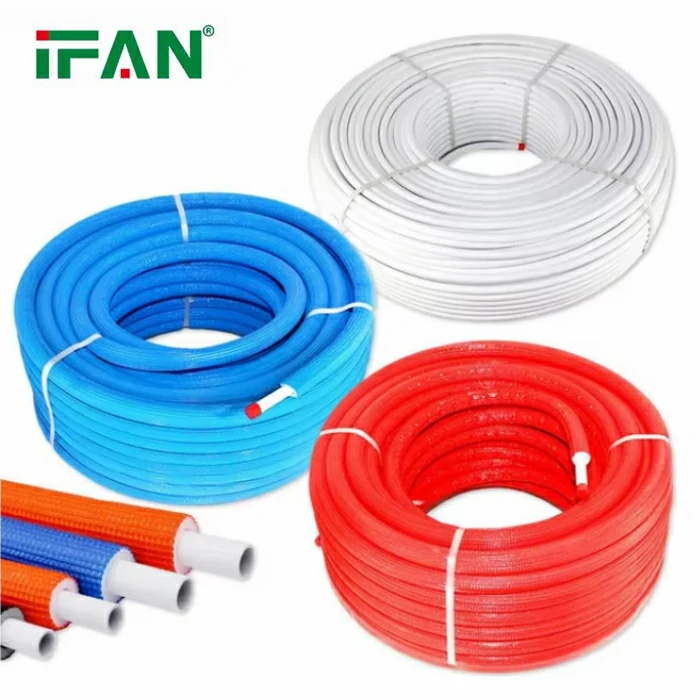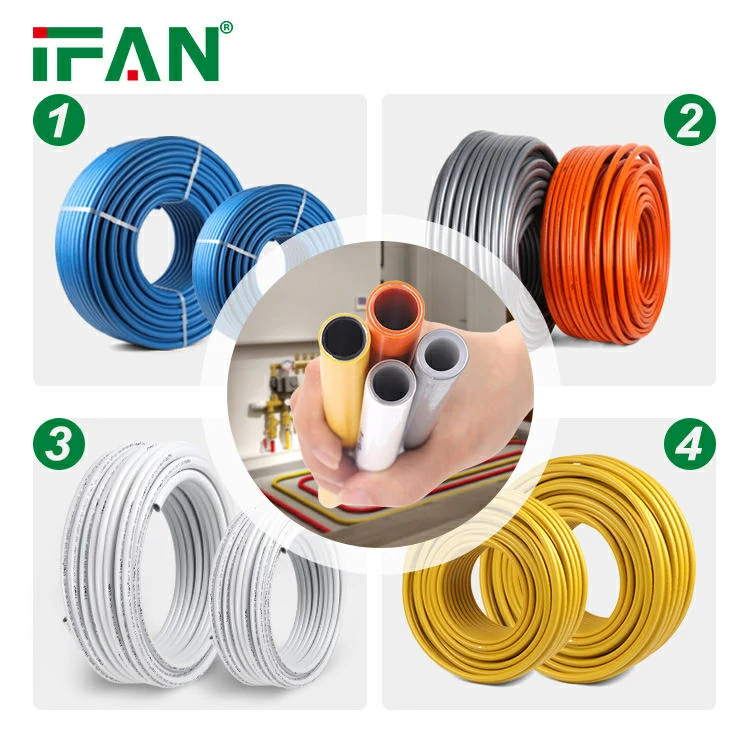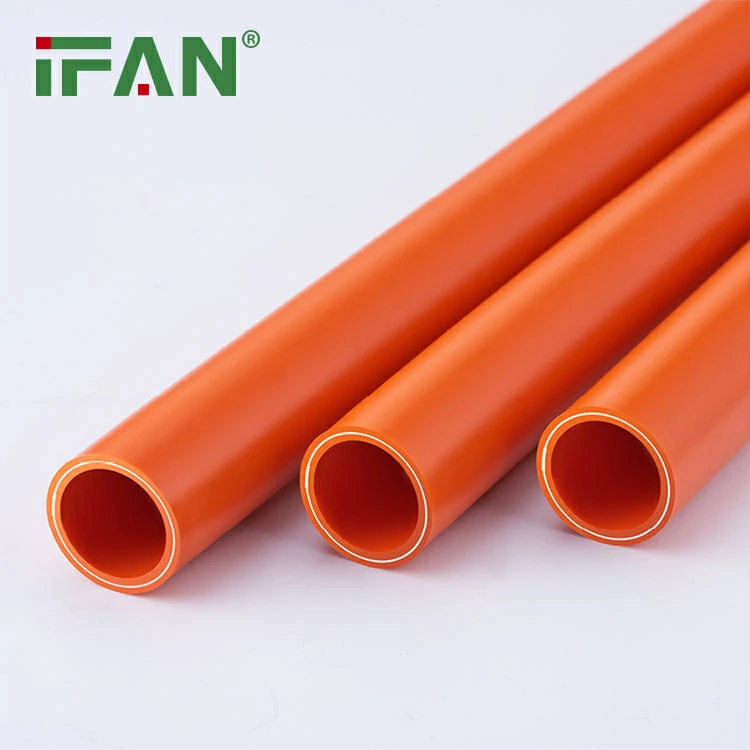
IFAN factory 30+ years manufacture experience support color /size customization support free sample.Welcome to consult for catalog and free samples.This is our Facebook Website:www.facebook.com,Click to watch IFAN’s product video.Compared with Tomex products, our IFAN products from quality to price are your best choice, welcome to buy!
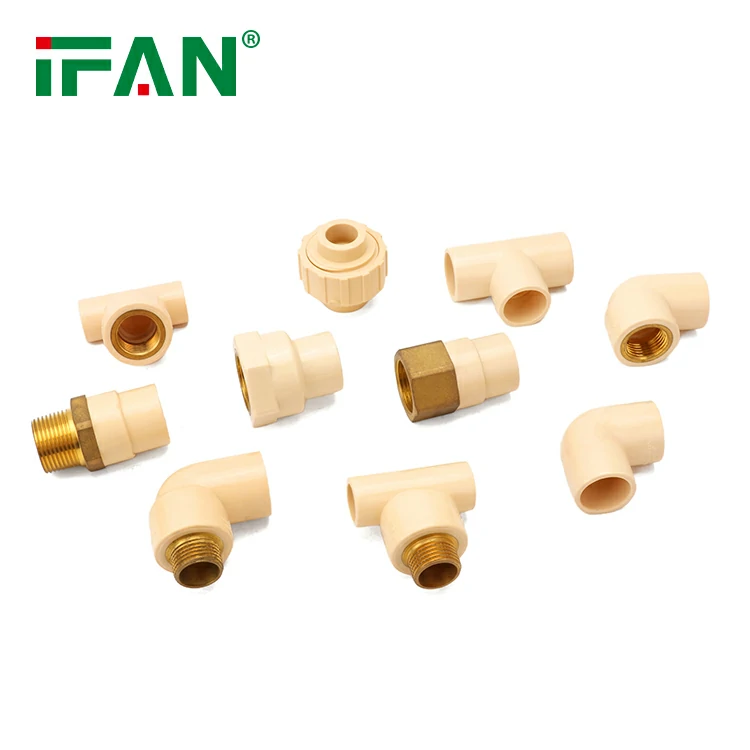
CPVC fittings have become a popular choice for plumbing systems due to their remarkable benefits. With its ability to withstand extreme temperatures, resist corrosion, and provide a long-lasting solution, CPVC offers several advantages over traditional metal options. Whether you’re installing a new plumbing system or upgrading an existing one, understanding the top benefits of CPVC fittings can help you make a more informed decision. In this article, we will explore the top 5 advantages of choosing CPVC fittings for your plumbing needs.
1. Durability and Longevity
One of the most significant advantages of CPVC fittings is their durability. CPVC (Chlorinated Polyvinyl Chloride) is a highly durable plastic material that resists corrosion, pitting, and scale buildup. Unlike metal pipes, CPVC does not corrode over time, even when exposed to water, harsh chemicals, or high temperatures. This feature significantly extends the life of your plumbing system.
In commercial settings, where the plumbing system is expected to endure high demands and constant use, CPVC’s ability to resist deterioration ensures fewer maintenance requirements. With a lifespan of up to 50 years, CPVC fittings offer long-term reliability and cost savings in repairs and replacements.
Why It Matters:
For property owners, this means fewer disruptions due to plumbing failures and a reduction in the frequency of costly maintenance. With proper installation, you can expect years of worry-free performance from your CPVC plumbing system.
2. Heat Resistance
CPVC fittings are specifically designed to handle high temperatures, making them an ideal choice for both residential and commercial plumbing systems. They can withstand temperatures up to 200°F (93°C), which is far superior to many other materials, including PEX and PVC.
In commercial properties such as hotels, restaurants, hospitals, or industrial facilities, where hot water is frequently used, CPVC provides a dependable solution. The ability to handle hot water distribution without compromising the integrity of the system ensures that businesses can run smoothly without the risk of damage from extreme temperatures.
Why It Matters:
With CPVC, businesses that require consistent hot water for various applications, such as heating, dishwashing, or industrial processes, can rely on a robust system that maintains performance under demanding conditions.
3. Chemical Resistance
Another significant benefit of CPVC fittings is their resistance to a wide range of chemicals. Commercial buildings and industrial facilities often use water systems that come into contact with cleaning agents, acids, and other chemicals that can corrode traditional materials like copper or steel. CPVC fittings, on the other hand, are highly resistant to such chemicals, ensuring that your plumbing system remains intact and functional.
This resistance makes CPVC an excellent option for industries that deal with aggressive chemicals, such as the food processing, pharmaceutical, and manufacturing sectors. CPVC’s ability to resist chemical corrosion helps to ensure that there is no contamination or damage to the water supply.
Why It Matters:
For businesses involved in manufacturing or processing, using CPVC ensures the safety and cleanliness of the water supply, avoiding potential contamination from damaged pipes. Additionally, it prevents costly downtime and repairs related to corrosion or pipe failures.
4. Ease of Installation
CPVC fittings are easier and faster to install compared to traditional metal piping systems. Since CPVC is lightweight, contractors can handle the pipes and fittings without the need for heavy equipment. The installation process is also quicker, as CPVC pipes can be easily cut and joined using solvent cement. This results in less labor time and lower installation costs.
The ease of installation translates into fewer disruptions in the plumbing system, which is especially beneficial for commercial properties where minimal downtime is critical. In addition, the ability to install CPVC piping with relatively simple tools can lead to cost savings on labor and overall project expenses.
Why It Matters:
For business owners and contractors, choosing CPVC not only saves time during installation but also reduces the total cost of the plumbing project. This is particularly advantageous for commercial developments or renovation projects where efficiency and cost-effectiveness are priorities.
5. Cost-Effectiveness
When compared to traditional metal pipes such as copper or stainless steel, CPVC fittings are far more cost-effective. The materials themselves are less expensive, and because of their ease of installation, labor costs are also reduced. CPVC’s durability and long lifespan further enhance its cost-effectiveness by minimizing maintenance and replacement needs over time.
For businesses looking to minimize initial expenses and long-term operational costs, CPVC offers a budget-friendly solution that doesn’t compromise on performance. The savings in installation and maintenance can be significant, particularly for large commercial projects that require extensive plumbing systems.
Why It Matters:
For commercial property owners and contractors, the ability to save on both installation and ongoing maintenance costs makes CPVC fittings an attractive option. The durability of CPVC also ensures that businesses will not face frequent repairs or replacements, further enhancing the overall value of their investment.
Conclusion
CPVC fittings offer numerous advantages for both residential and commercial plumbing systems. From their outstanding durability and heat resistance to their chemical resistance, ease of installation, and cost-effectiveness, CPVC is an excellent choice for businesses looking to ensure the reliability and longevity of their plumbing systems. Whether you’re constructing a new building or upgrading your existing plumbing system, CPVC fittings provide a dependable and affordable solution that meets the demands of modern plumbing.
FAQ
1. What is CPVC used for in plumbing?
CPVC is commonly used for both hot and cold water distribution in plumbing systems. It is ideal for residential, commercial, and industrial applications due to its heat resistance, chemical resistance, and durability.
2. How long do CPVC fittings last?
CPVC fittings can last up to 50 years or more with proper installation and maintenance. Their resistance to corrosion and wear ensures long-term reliability.
3. Can CPVC fittings handle high temperatures?
Yes, CPVC fittings can handle temperatures up to 200°F (93°C), making them suitable for hot water distribution in both residential and commercial plumbing systems.
4. Is CPVC more affordable than metal piping?
Yes, CPVC is generally more affordable than metal piping options like copper or stainless steel, and its ease of installation further reduces costs.
5. Can CPVC be used in industrial plumbing systems?
Yes, CPVC is highly resistant to chemicals and heat, making it an excellent choice for industrial plumbing systems that require reliable and long-lasting piping solutions.