Introduction
When living in areas with harsh winter conditions, preparing your plumbing system is crucial to prevent pipes from freezing and bursting. PEX (cross-linked polyethylene) pipes are a popular choice for residential plumbing due to their flexibility, durability, and resistance to scaling and corrosion. However, even PEX pipes can be vulnerable to freezing temperatures if not properly prepared. In this comprehensive guide, we’ll explore effective strategies to ensure your PEX pipes are well-protected against freezing weather.
Understanding PEX Pipes
What Are PEX Pipes?
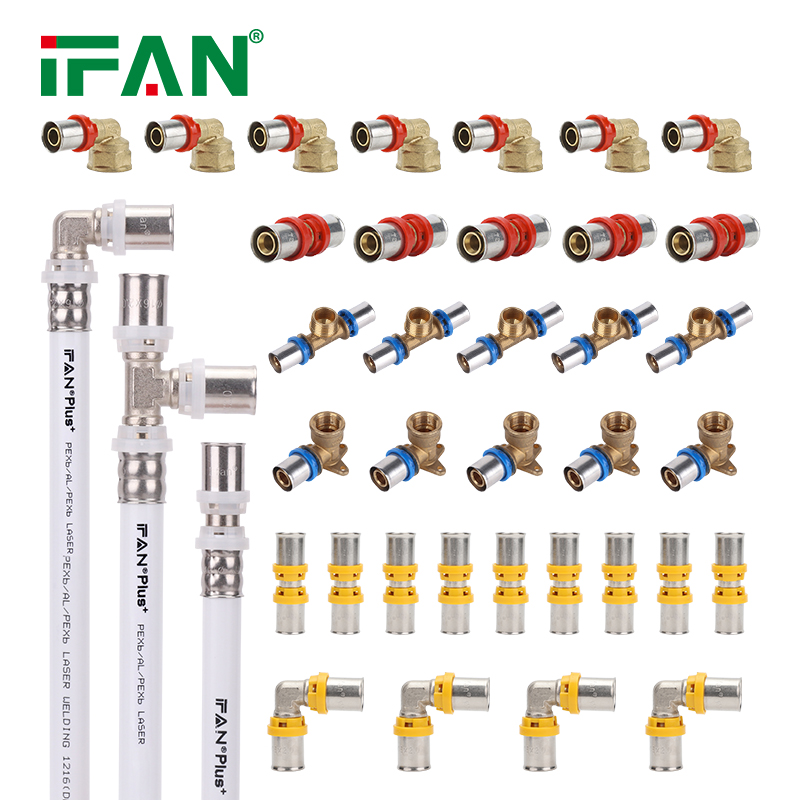
PEX pipes are made of high-density polyethylene, a flexible plastic material that is cross-linked to enhance durability and performance. This innovative plumbing solution has gained popularity because of its ease of installation and cost-effectiveness compared to traditional materials like copper or PVC. PEX pipes can easily bend and curve around obstacles, which minimizes the number of fittings required, thus reducing the risk of leaks.
Why Choose PEX?
- Flexibility: PEX pipes can be molded to fit your plumbing layout, eliminating the need for many joints and connections.
- Resistant to Corrosion: PEX does not corrode, making it a long-lasting choice for plumbing.
- Insulating Properties: PEX retains heat better than metal pipes, which helps maintain water temperature.
- Cost-Effectiveness: PEX tends to be cheaper than traditional piping materials, both in installation and material costs.
Risks of Freezing Temperatures
How Do PEX Pipes Freeze?
Though PEX is more resilient to freezing than metal pipes, it can still freeze under certain conditions. Pipes located in unheated areas, such as basements, attics, or crawl spaces are particularly vulnerable. Here are a few reasons why PEX pipes may freeze:
- Exposed to Cold Air: PEX pipes that run through uninsulated areas can be at risk during extreme cold snaps.
- Poor Insulation: Inadequate insulation around pipes allows cold air to penetrate and freeze the water inside.
- Low Ambient Temperatures: When the temperature drops below 20°F consistently, the risk of freezing increases significantly.
Consequences of Frozen PEX Pipes
When water freezes, it expands, putting considerable pressure on pipe walls. If the pressure exceeds the capacity of the PEX, it can crack or burst, leading to water leaks, damage, and costly repairs once the ice melts.
Preparing PEX Pipes for Freezing Weather
1. Insulate Your Pipes
Proper insulation is one of the most effective ways to protect PEX pipes from freezing:
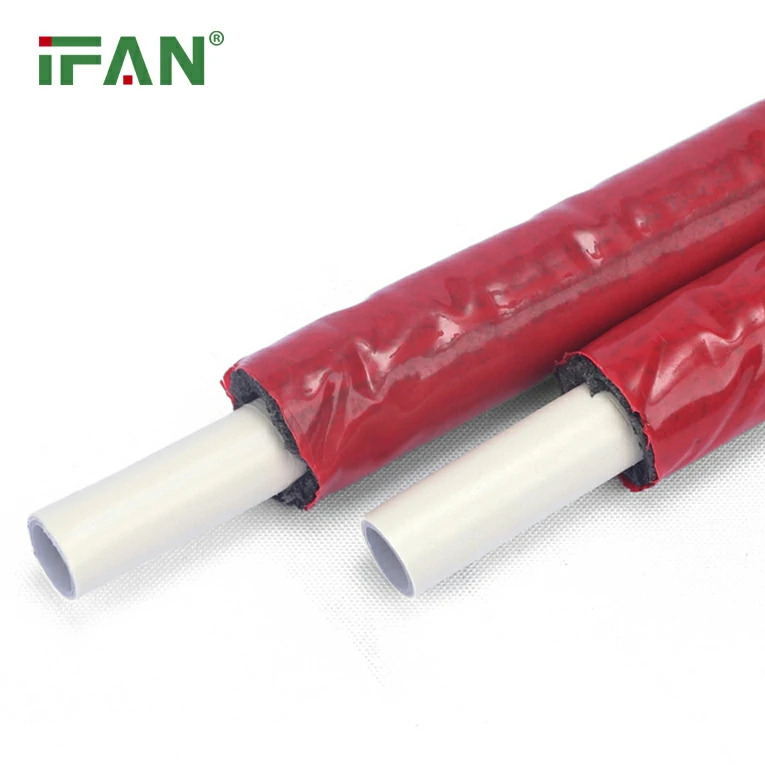
- Use Pipe Insulation: Foam pipe insulation sleeves are easily available at hardware stores and should be used to wrap PEX pipes exposed to cold air.
- Insulate Basements and Crawl Spaces: Ensure that these areas are well-insulated to keep temperatures stable. Insulation boards or blankets can help.
- Seal Gaps and Cracks: Use weather-stripping or caulk to seal gaps in walls, windows, and doors that could let cold air in.
2. Maintain Consistent Indoor Temperature
Keeping your home warm can be critical in preventing freezing:
- Keep the Thermostat Set: Maintain a temperature of at least 55°F throughout your home, even when you’re away.
- Open Cabinet Doors: For sinks located against exterior walls, open the cabinet doors to allow warm air to reach the pipes.
3. Let Faucets Drip
Allowing a slow trickle of water to flow through your faucets reduces pressure and helps keep the water moving, which can prevent freezing:
- Drip Cold Water: During extremely cold snaps, let faucets connected to PEX pipes drip slightly to relieve pressure and keep water flowing.
4. Use Heat Tape
Heat tape is an effective solution for vulnerable pipe sections:
- Apply Heat Tape: This self-regulating tape wraps around pipes and generates heat when temperatures drop, ensuring the pipes remain warm and preventing freeze-up.
5. Drain Outdoor Plumbing
Outdoor plumbing can pose a greater risk during freezing weather:
- Shut Off Water Supply: Turn off the water supply to any outdoor faucets and then drain them.
- Remove Hoses: Disconnect hoses and store them indoors to prevent ice buildup.
6. Monitor Insulation Levels
Check regularly throughout the winter to ensure that your insulation remains intact:
- Inspect Insulation: Look for signs of wear and tear on insulation materials. Replace or repair as necessary.
- Add More Insulation: In particularly cold areas, don’t hesitate to add extra insulation where needed.
7. Use Pipe Supports
Properly supporting your PEX pipes can prevent sagging, which can accumulate water and create a freeze risk:
- Use Pipe Support Brackets: Install brackets every 32 inches to keep PEX pipes secure and prevent sagging.
8. Consult with a Professional
If you have concerns about existing plumbing vulnerabilities or if you’re unsure how to properly prepare your PEX pipes for freezing weather, consider consulting with a licensed plumber. They can provide you with tailored advice and solutions specific to your plumbing layout.
Additional Winterization Tips
Aside from directly addressing PEX pipe care, consider the following tips to winterize your home fully:
Verify Your Home’s Heating System
Ensure your heating system is in optimal condition before winter hits. Schedule a maintenance check to avoid unexpected breakdowns during the coldest months.
Keep Garage Doors Closed
If you have water lines running through the garage, keep garage doors closed to limit exposure to cold air.
Install a Smart Thermostat
Smart thermostats can help ensure that your home’s temperature is consistent, allowing you to monitor your heating system remotely and adjust as needed.
Conclusion
Preparing your PEX pipes for freezing weather is essential for protecting your home from plumbing issues during the cold winter months. By following the strategies outlined in this guide, including pipe insulation, maintaining a consistent indoor temperature, and allowing faucets to drip, you can significantly reduce the risk of frozen and burst pipes. Remember, taking precautionary measures in advance can save you from costly repairs and extensive water damage in the future.
FAQs
- How can I tell if my PEX pipes are frozen?
- Signs include reduced water flow from faucets, noticeable low pressure, or unusual sounds when water is running.
- What should I do if my PEX pipes freeze?
- Turn on the faucet to relieve pressure and slowly thaw the pipes using a hairdryer or warm towel. Never use an open flame.
- Is PEX suitable for outdoor plumbing?
- PEX can be used outdoors if protected from sunlight and extreme temperatures. Insulation is critical for outdoor applications.
- Can I use antifreeze in my PEX plumbing system?
- Using antifreeze in potable water systems is not recommended as it can cause contamination. Focus on insulation methods instead.
- What is the typical lifespan of PEX pipes?
- PEX pipes have a lifespan of 30 years or more when installed properly and maintained. Regular inspections help ensure longevity. By taking these proactive steps, you can prepare your PEX pipes for the freezing weather and ensure their performance throughout the winter season. Stay warm and protected!