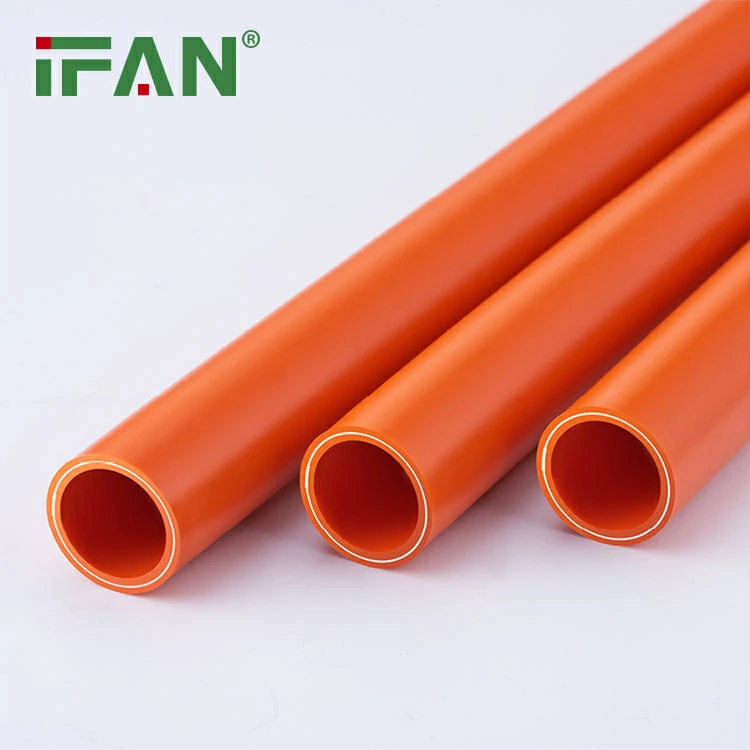
When it comes to building or renovating a cottage, one of the most crucial decisions you’ll make is choosing the right plumbing material. With so many options available, it can be overwhelming to decide which material best suits your needs. Two popular choices in modern plumbing are PEX (cross-linked polyethylene) pipes and copper pipes. Both materials have their advantages and drawbacks, and understanding these differences can help you make a more informed decision.
In this article, we’ll compare PEX and copper pipes in various aspects including cost, durability, ease of installation, and health concerns. By the end of this article, you’ll have a clear understanding of which option is better for your cottage plumbing needs.
What is PEX Pipe?
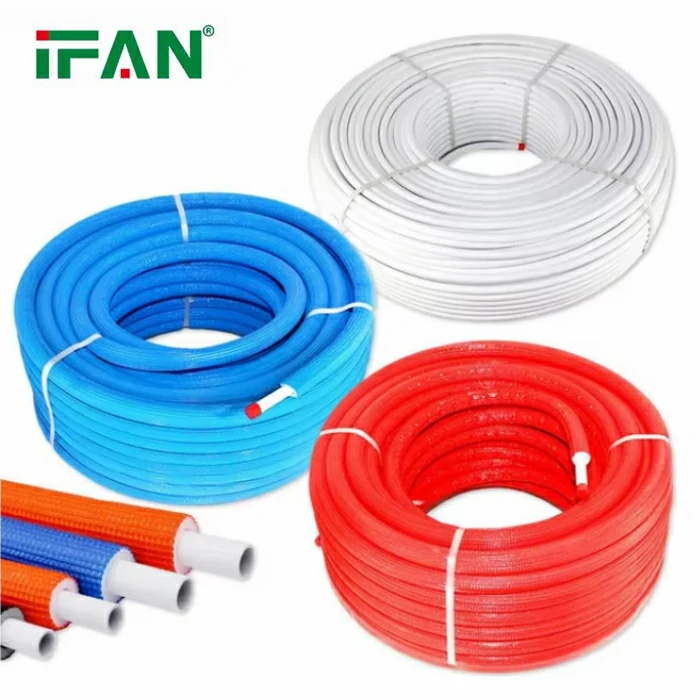
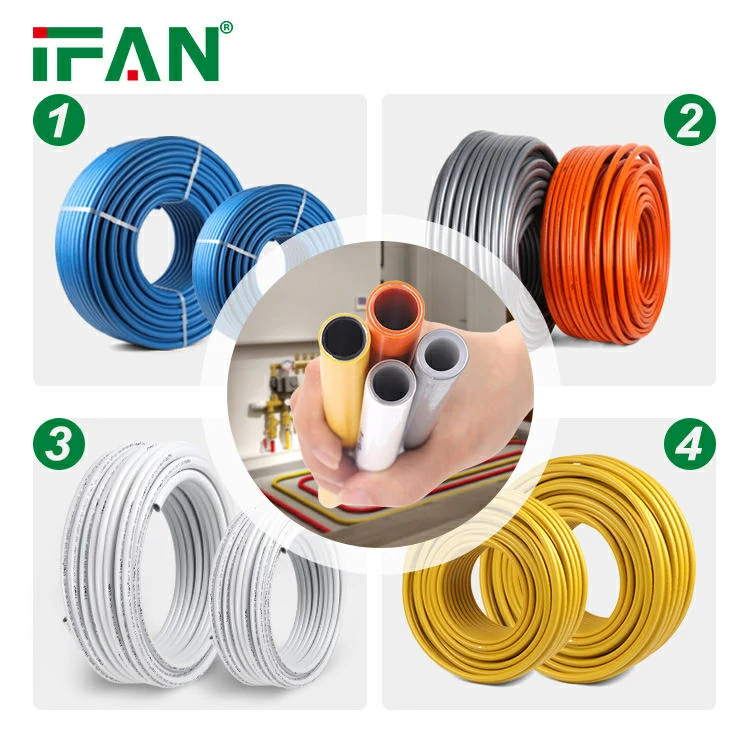
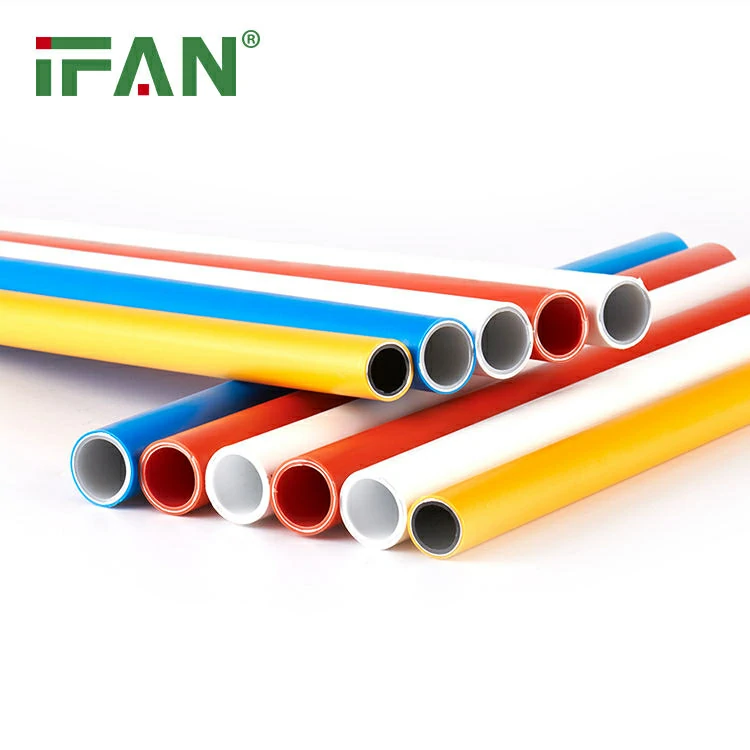
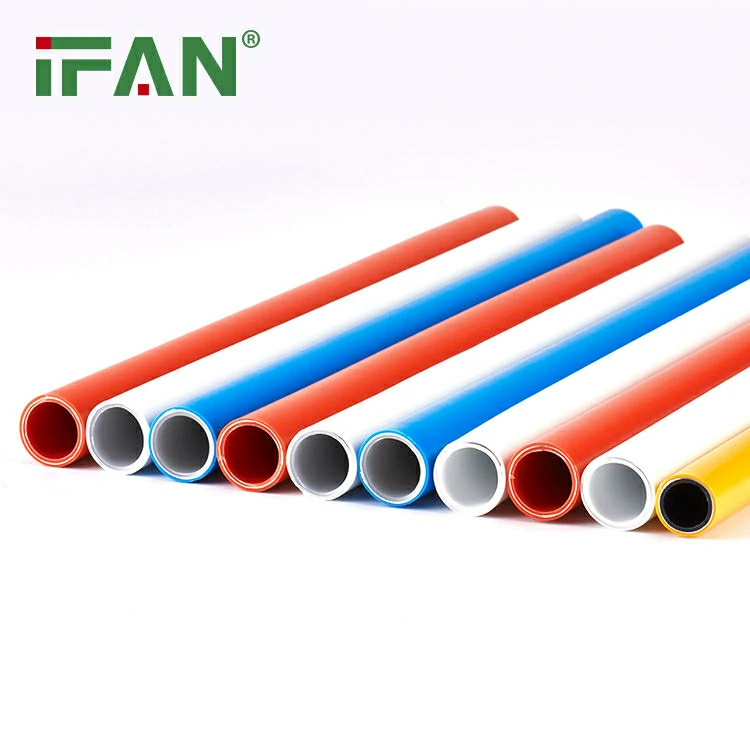
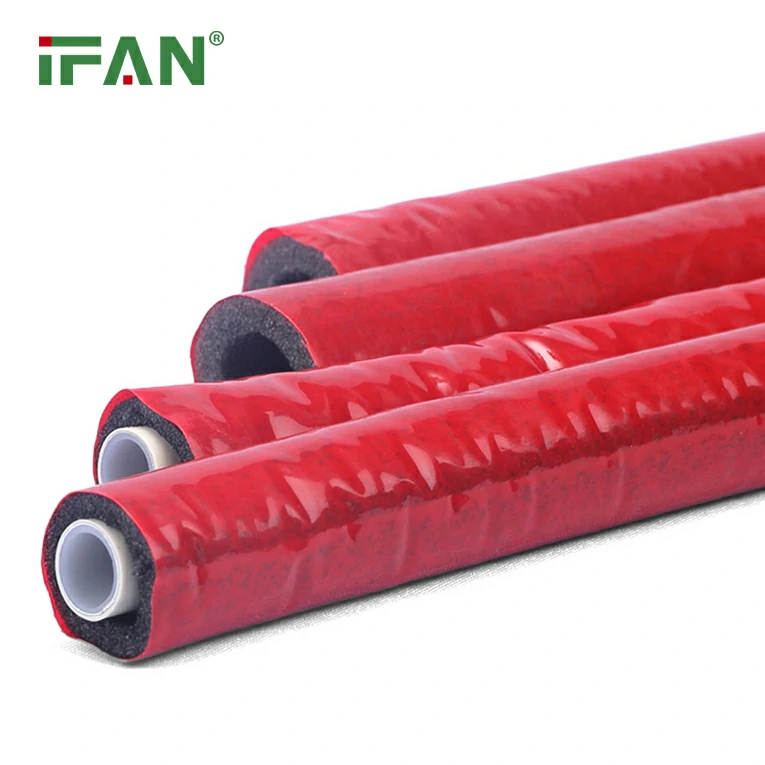
PEX pipes are made from polyethylene plastic that has undergone a cross-linking process, giving the material enhanced strength and flexibility. This makes PEX pipes particularly durable and resistant to both freezing and bursting, which is especially valuable in areas where temperatures can dip below freezing. PEX is also resistant to corrosion, making it ideal for use in water systems.
PEX pipes are typically used for residential water supply, radiant heating, and even for snow-melting systems. They come in coils, which can be easily bent and shaped, making installation quicker and simpler than other materials.
Benefits of PEX Pipe
- Flexibility and Ease of Installation: PEX pipes are highly flexible, which makes them easier to install in tight or difficult spaces. Their flexible nature allows for fewer fittings and joints, which reduces the potential for leaks.
- Resistant to Freezing: PEX pipes can expand without cracking when exposed to freezing temperatures, reducing the risk of burst pipes in winter.
- Cost-Effective: PEX pipes tend to be more affordable than copper pipes, making them a popular choice for those on a budget.
- Corrosion-Resistant: Unlike copper, which can corrode over time, PEX pipes are resistant to corrosion, ensuring a longer lifespan.
What is Copper Pipe?
Copper has been a popular choice for plumbing for many decades. Copper pipes are made from a naturally occurring metal that is highly durable, corrosion-resistant, and has antibacterial properties. These pipes are typically used for water supply lines and are highly valued for their longevity.
Copper pipes are rigid and require more fittings and connections than PEX, making installation more time-consuming and costly. Copper is also a heat conductor, which can be beneficial in certain applications but can also result in a loss of water temperature in certain environments.
Benefits of Copper Pipe
- Longevity and Durability: Copper pipes can last for many decades and are known for their exceptional durability, often outlasting other materials.
- Natural Antibacterial Properties: Copper naturally resists bacteria and biofilm growth, which is beneficial for maintaining clean, safe drinking water.
- Temperature Resistance: Copper pipes can withstand high temperatures without warping or deteriorating, making them suitable for hot water systems.
PEX vs. Copper: Key Comparisons
1. Cost
Cost is one of the biggest factors when choosing between PEX and copper pipes.
- PEX Pipe: PEX is much more affordable than copper. The material itself is cheaper, and because of the ease of installation, labor costs tend to be lower as well.
- Copper Pipe: Copper pipes are significantly more expensive. The material cost is higher, and the installation process requires more labor due to the need for soldering and fitting the rigid pipes together.
Winner: PEX
2. Durability and Lifespan
Both PEX and copper pipes are known for their longevity, but there are notable differences in their durability.
- PEX Pipe: PEX pipes are resistant to corrosion, freezing, and general wear and tear. However, they are susceptible to damage from UV rays and should not be exposed to direct sunlight for prolonged periods.
- Copper Pipe: Copper is highly durable and resistant to corrosion. It can last up to 50 years or more with proper care, but it is susceptible to pitting and corrosion in areas with acidic water or high levels of minerals. Copper is also prone to cracking in freezing temperatures.
Winner: Copper (for overall longevity), but PEX is better in freezing conditions.
3. Installation Ease
The installation process can greatly affect the overall cost and timeline of your plumbing project.
- PEX Pipe: PEX pipes are much easier to install than copper. Since PEX is flexible, it can be bent and shaped without the need for additional fittings. This reduces installation time and labor costs. PEX pipes also don’t require soldering, making them ideal for DIY projects.
- Copper Pipe: Copper pipes require precise measurements, cutting, and soldering, which makes the installation process more complex. The need for fittings and joints also increases the time required for installation.
Winner: PEX (due to ease and speed of installation)
4. Temperature Resistance
Both PEX and copper pipes can handle a wide range of temperatures, but there are differences in their performance.
- PEX Pipe: PEX is capable of handling hot water, but it is better suited for cold water lines. The pipe can handle temperatures up to 200°F (93°C), making it suitable for most residential water systems. However, it may degrade over time when exposed to extremely high temperatures.
- Copper Pipe: Copper pipes are excellent at withstanding high temperatures, making them a great option for hot water systems. Copper can handle temperatures of up to 250°F (121°C) without degradation.
Winner: Copper (for hot water systems)
5. Health and Safety
Health and safety concerns regarding the materials used in plumbing systems are always a priority.
- PEX Pipe: One of the concerns with PEX pipes is that some studies have suggested that chemicals used in the production process, such as plasticizers and stabilizers, could leach into drinking water over time. However, the amount of leaching is generally within safe limits as defined by regulatory agencies.
- Copper Pipe: Copper pipes are naturally resistant to bacterial growth, which is a positive aspect for drinking water. However, some people are concerned about the potential for copper to leach into the water, particularly in areas with acidic water.
Winner: Copper (for long-term safety in drinking water)
6. Environmental Impact
The environmental impact of the materials used in plumbing should also be considered.
- PEX Pipe: While PEX pipes are highly durable and energy-efficient, they are made from plastic, which is not biodegradable. Additionally, PEX is difficult to recycle, and improper disposal could have environmental consequences.
- Copper Pipe: Copper is a natural metal that is fully recyclable. The mining and processing of copper, however, have a significant environmental impact. Still, copper’s recyclability makes it a more eco-friendly option in the long run.
Winner: Copper (due to its recyclability)
Conclusion: Which is Better for Your Cottage?
Choosing between PEX and copper pipes ultimately depends on your specific needs, budget, and priorities.
- If you’re looking for an affordable, easy-to-install, and flexible plumbing system that can handle freezing conditions, PEX pipes are a great option.
- If you want a long-lasting, durable, and environmentally friendly option for your water supply lines and are willing to invest in higher upfront costs and installation time, copper pipes may be the better choice.
At the end of the day, both materials have their place in modern plumbing systems. Assessing your cottage’s specific plumbing needs will help you make the best decision for your project.
FAQs
1. Is PEX pipe cheaper than copper pipe? Yes, PEX is generally more affordable both in terms of material and installation costs compared to copper.
2. How long do PEX and copper pipes last? PEX pipes can last around 40-50 years, while copper pipes can last over 50 years with proper care.
3. Can PEX pipe be used for hot water? Yes, PEX can handle hot water, but copper is more suitable for high-temperature applications.
4. Is PEX pipe safe for drinking water? Yes, PEX pipes are considered safe for drinking water, although some studies have suggested that certain chemicals may leach over time.
5. Which pipe is better for freezing temperatures? PEX is better for freezing temperatures because it can expand without cracking, while copper pipes are more likely to burst in freezing conditions.