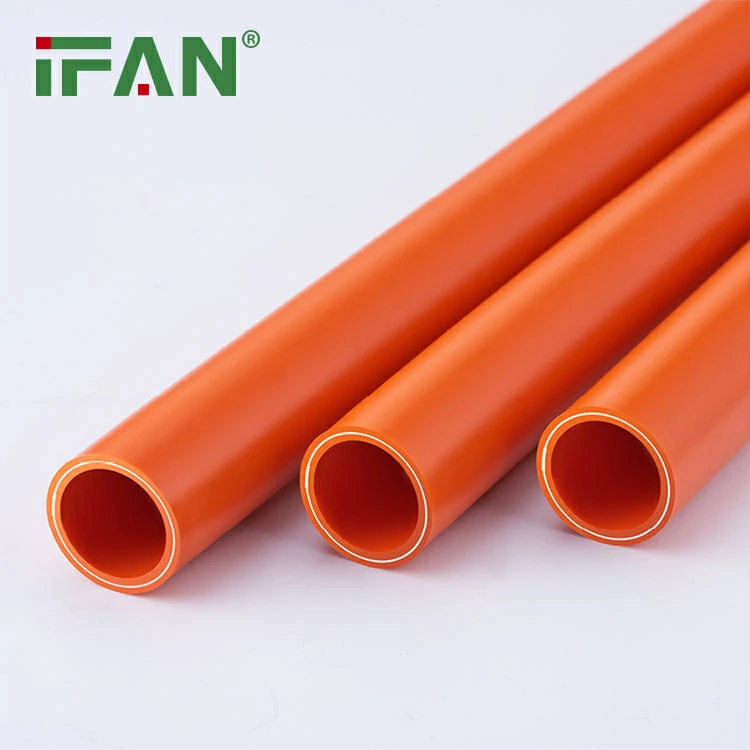
In the modern world, sustainability has become a central concern for industries across the board, including plumbing. Polyethylene cross-linked (PEX) pipes, while renowned for their durability, flexibility, and ease of installation, present significant challenges when it comes to recycling. Until recently, PEX pipes were considered almost impossible to recycle through conventional means due to their complex structure. However, thanks to advances in chemical recycling, these once hard-to-recycle materials are now receiving a new lease on life. This article explores the breakthrough in chemical recycling for PEX pipes, its benefits, and its potential impact on the plumbing industry and the environment.
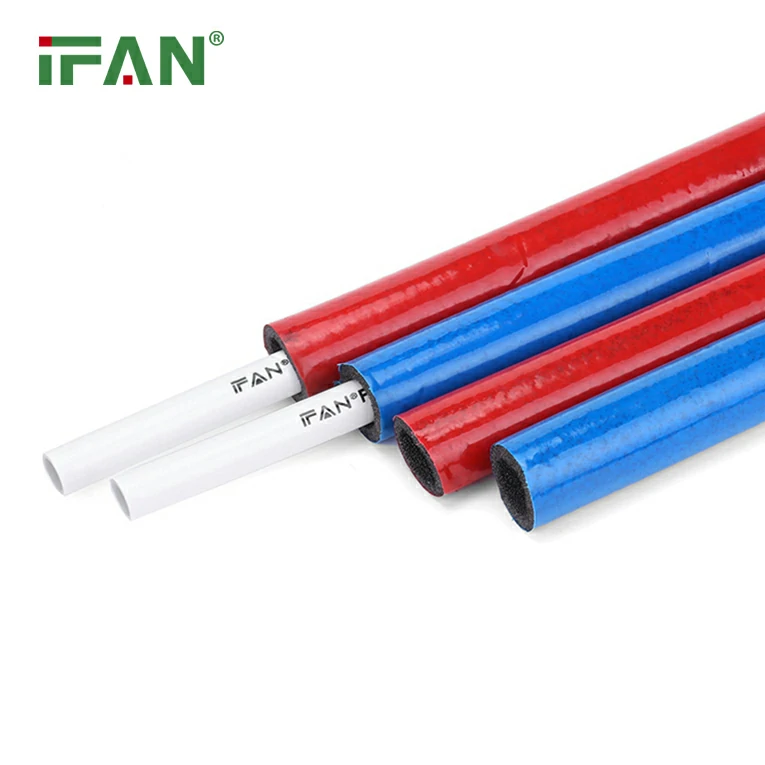
What Are PEX Pipes?
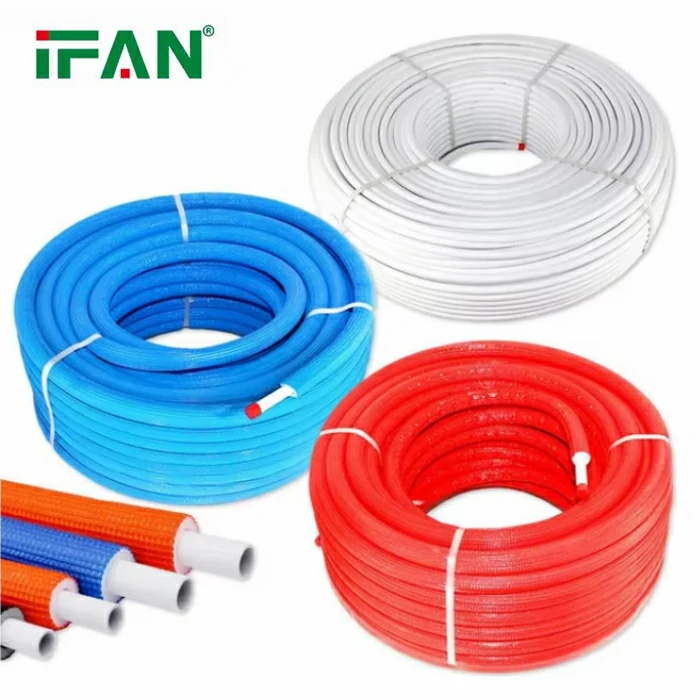
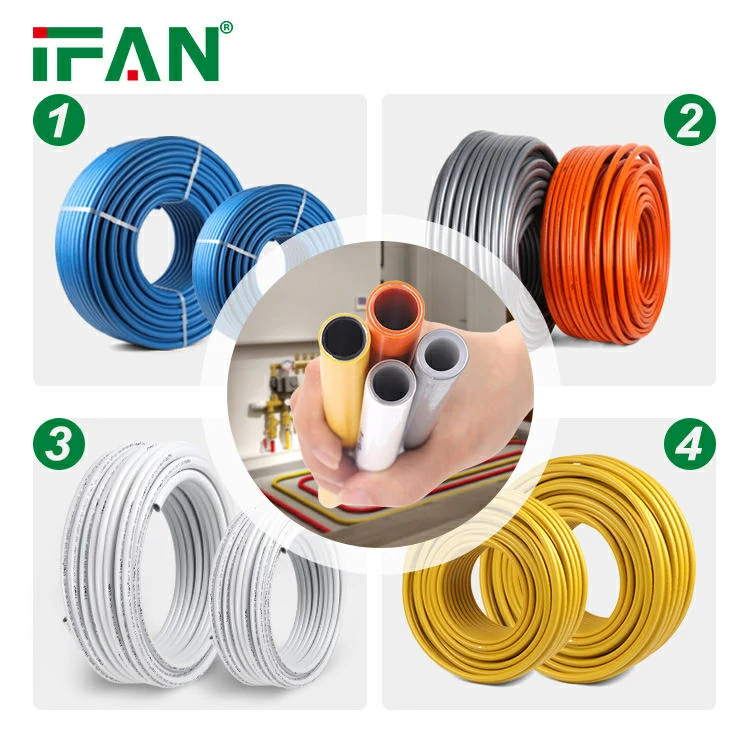
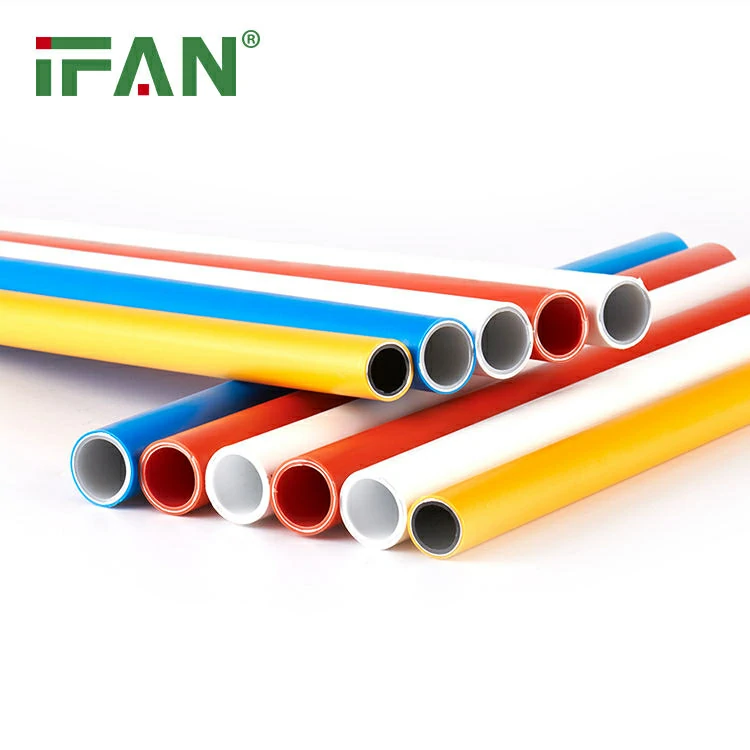
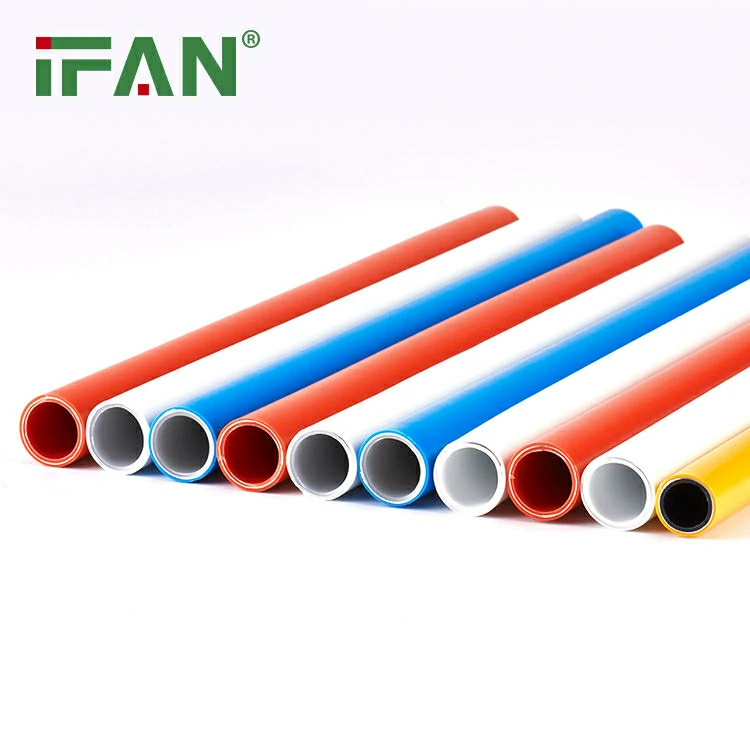
PEX pipes are a type of plastic pipe used extensively in plumbing systems for both residential and commercial applications. Unlike traditional pipes such as copper or PVC, PEX is flexible, resistant to corrosion, and easier to install, particularly in complex or retrofit plumbing systems. These pipes are commonly used for water supply lines, radiant heating systems, and even snow-melting systems.
Despite their benefits, one significant issue with PEX pipes is their recyclability. Unlike materials such as PVC or copper, PEX is difficult to break down and recycle once it has reached the end of its useful life. This has led to an accumulation of PEX waste in landfills, where it can take centuries to decompose. However, recent advancements in chemical recycling technology have opened up new possibilities for handling PEX waste in a more environmentally friendly manner.
Challenges with Recycling PEX Pipes
PEX pipes are made from polyethylene, a type of plastic that has been cross-linked to create a strong, durable material. The cross-linking process gives PEX its flexibility and resistance to heat and pressure, but it also makes it more difficult to break down for recycling. Traditional mechanical recycling methods, which involve shredding and melting plastics, are not effective with PEX because the cross-linking prevents it from melting into a usable form.
Additionally, the high temperatures and chemicals involved in the manufacturing process make it hard for PEX to be processed through conventional recycling channels. This has resulted in a significant environmental problem, as the disposal of PEX pipes typically involves sending them to landfills or incinerators, both of which have negative environmental consequences.
Chemical Recycling: A Breakthrough Solution
The emergence of chemical recycling presents a promising solution to the PEX recycling dilemma. Unlike traditional recycling methods, chemical recycling involves breaking down plastics at the molecular level, allowing them to be reprocessed into raw materials that can be used to create new products. This process can handle cross-linked materials like PEX that are difficult to recycle through mechanical means.
The key to chemical recycling lies in the use of specific chemical processes that can undo the cross-linking of PEX, turning it back into a simpler, recyclable form. These processes, such as pyrolysis and depolymerization, involve using heat or chemicals to break the chemical bonds that hold the polymer structure together. The resulting material can then be purified and reused in the creation of new plastic products.
How Chemical Recycling Works for PEX Pipes
Chemical recycling of PEX pipes typically involves two main methods: depolymerization and pyrolysis.
1. Depolymerization
Depolymerization is the process of breaking down the cross-linked polyethylene chains into smaller monomers. This is done by applying heat and chemicals to the PEX material, causing the cross-links to break. The resulting monomers can be purified and used as building blocks for new plastics, including new PEX pipes. This method allows for the complete recycling of PEX material, ensuring that it can be reused multiple times without losing its original quality.
2. Pyrolysis
Pyrolysis is a thermal decomposition process that breaks down PEX pipes in the absence of oxygen, turning them into oil, gas, and solid residues. The oil and gas produced can be used as fuel or further refined into new chemicals, while the solid residues can be repurposed into materials for new products. Pyrolysis has the advantage of being able to handle large volumes of PEX waste at once, making it an efficient recycling method.
Both of these chemical recycling methods have shown promise in lab tests and pilot projects, with some companies already scaling up the process to handle larger quantities of PEX waste.
Benefits of Chemical Recycling for PEX Pipes
The advent of chemical recycling for PEX pipes brings numerous benefits to the plumbing industry and the environment. Here are some of the most notable advantages:
1. Reduction of Landfill Waste
One of the biggest environmental benefits of chemical recycling is its potential to reduce the amount of PEX waste sent to landfills. Currently, millions of tons of PEX waste end up in landfills, where it can remain for hundreds of years. Chemical recycling allows PEX to be broken down and reused, minimizing the environmental footprint of these materials.
2. Conservation of Resources
Recycling PEX pipes through chemical processes reduces the need for virgin raw materials, such as petroleum, to produce new plastics. By reusing the materials from old PEX pipes, chemical recycling helps conserve natural resources and reduces the energy consumption associated with manufacturing new plastic products.
3. Energy Efficiency
While traditional recycling methods require a significant amount of energy to process PEX pipes, chemical recycling can be more energy-efficient in some cases. Pyrolysis, for example, can produce fuel that can be used to power the recycling process itself, creating a closed-loop system that minimizes energy waste.
4. Sustainability in the Plumbing Industry
Chemical recycling can help the plumbing industry move towards a more sustainable future. As the demand for PEX pipes continues to grow, finding ways to recycle them responsibly will be crucial for minimizing their environmental impact. By adopting chemical recycling methods, the plumbing industry can help reduce its overall carbon footprint and contribute to a circular economy.
5. Creation of New, High-Quality Materials
Chemical recycling can produce high-quality raw materials that are suitable for manufacturing new PEX pipes. These recycled materials can retain many of the same properties as virgin PEX, such as flexibility and resistance to heat and pressure. This makes recycled PEX a viable option for creating new plumbing systems without sacrificing performance or durability.
The Future of Chemical Recycling for PEX Pipes
While chemical recycling of PEX pipes is still in the early stages, it holds significant promise for the future. As the technology improves and becomes more cost-effective, it is likely that more companies will adopt chemical recycling methods to handle PEX waste. This will not only help reduce the environmental impact of PEX pipes but also create new economic opportunities in the recycling industry.
Governments and regulatory bodies are also beginning to recognize the potential of chemical recycling for plastics like PEX. As awareness grows, policies and incentives may be introduced to encourage the adoption of these technologies, making recycling more widespread and accessible.
Conclusion
The chemical recycling of PEX pipes represents a major step forward in addressing the environmental challenges associated with plastic waste. By enabling the recycling of cross-linked polyethylene, chemical recycling opens up new possibilities for reducing landfill waste, conserving resources, and creating sustainable materials. As the plumbing industry continues to rely on PEX pipes, the development of efficient and effective recycling technologies will play a crucial role in ensuring that these materials can be reused responsibly. The future of PEX pipes in a circular economy looks promising, and chemical recycling will undoubtedly be a key part of that vision.
FAQs
1. Can all PEX pipes be recycled through chemical recycling? Yes, both PEX-A, PEX-B, and PEX-C pipes can be recycled using chemical recycling methods, though the efficiency of the process may vary depending on the specific type.
2. How long does it take for PEX pipes to decompose in landfills? PEX pipes can take hundreds of years to decompose in landfills due to their durable and cross-linked structure, which is why recycling is so important.
3. What are the key differences between chemical recycling and mechanical recycling for PEX? Chemical recycling breaks down the PEX at the molecular level, allowing it to be reused as raw material for new products. Mechanical recycling involves shredding and melting the material, which is not effective for cross-linked materials like PEX.
4. Is chemical recycling more expensive than traditional recycling? Chemical recycling is currently more expensive due to the complexity of the process. However, as technology improves and economies of scale are achieved, it is expected to become more cost-effective.
5. How does chemical recycling benefit the plumbing industry? Chemical recycling helps the plumbing industry reduce its environmental impact by providing a sustainable solution for disposing of PEX waste. It also creates high-quality recycled materials that can be used to produce new plumbing systems.