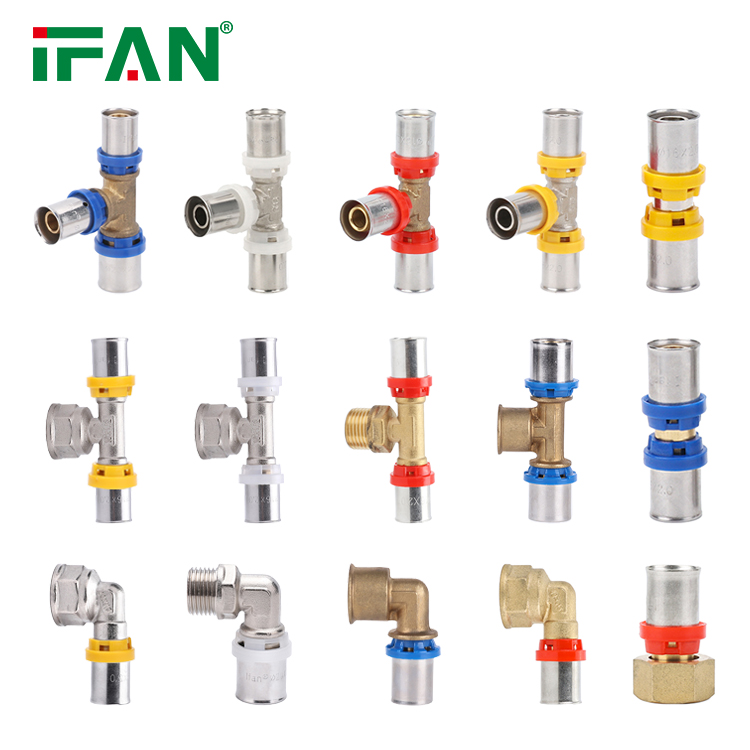
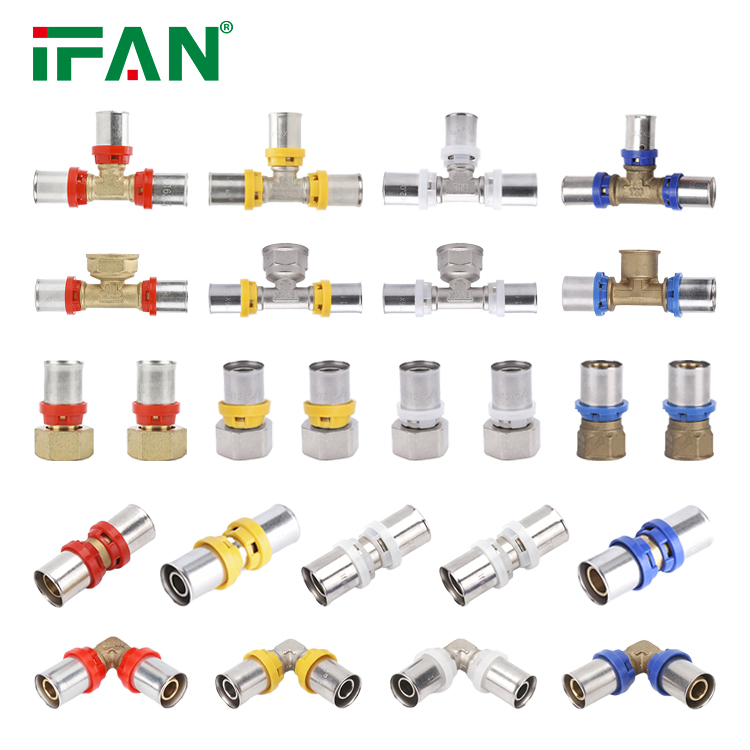
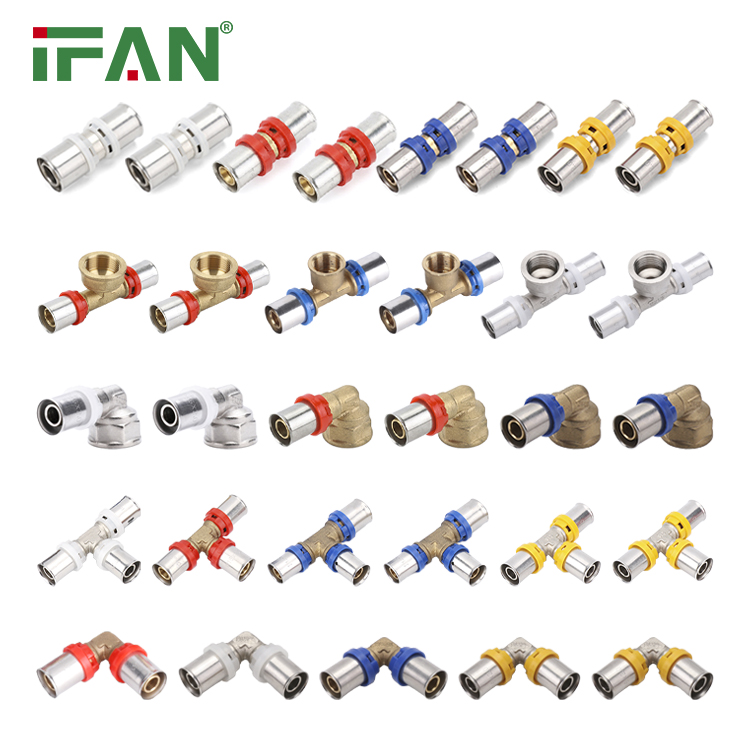
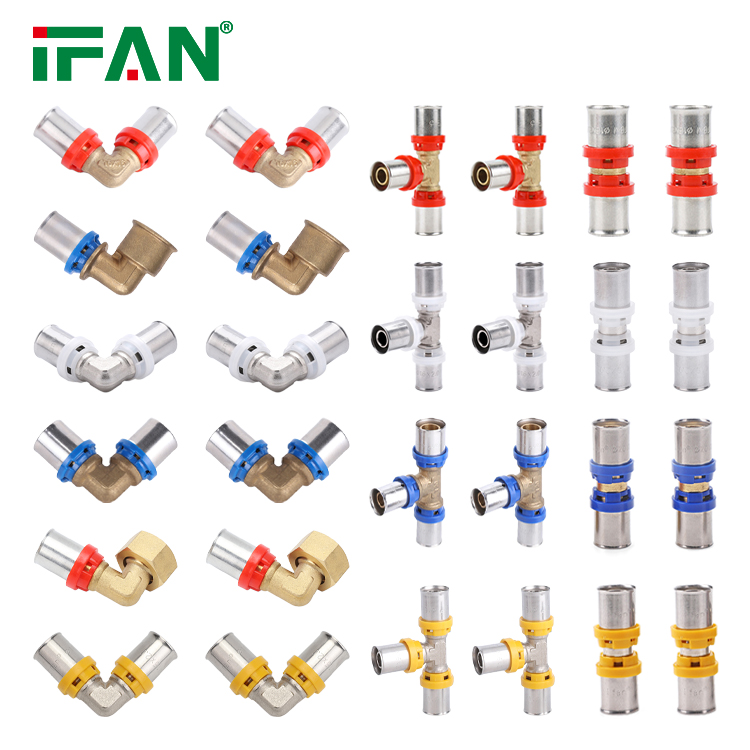
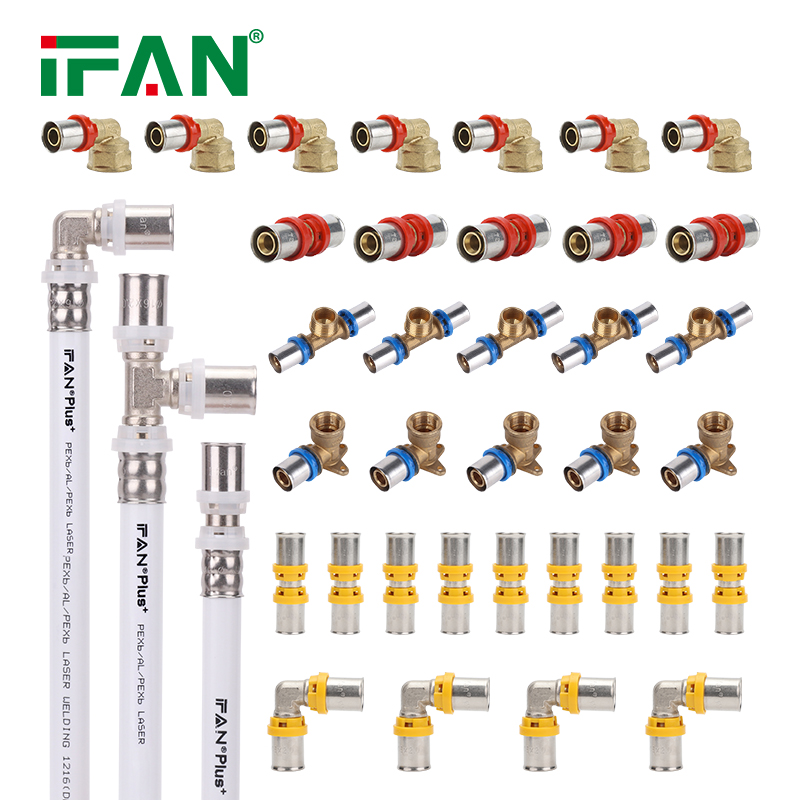
IFAN factory 30+ years manufacture experience support color /size customization support free sample.Welcome to consult for catalog and free samples.This is our Facebook Website:www.facebook.com,Click to watch IFAN’s product video.Compared with Tomex products, our IFAN products from quality to price are your best choice, welcome to buy!
Brass fittings are an essential component in various plumbing and gas systems, known for their durability, flexibility, and superior performance. Whether it’s for water distribution, gas pipelines, or industrial applications, brass fittings provide the reliability and longevity that are necessary for smooth and safe operation. In this article, we’ll explore the advantages of brass fittings, their versatility, and why they are a top choice for professionals.
What Are Brass Fittings?
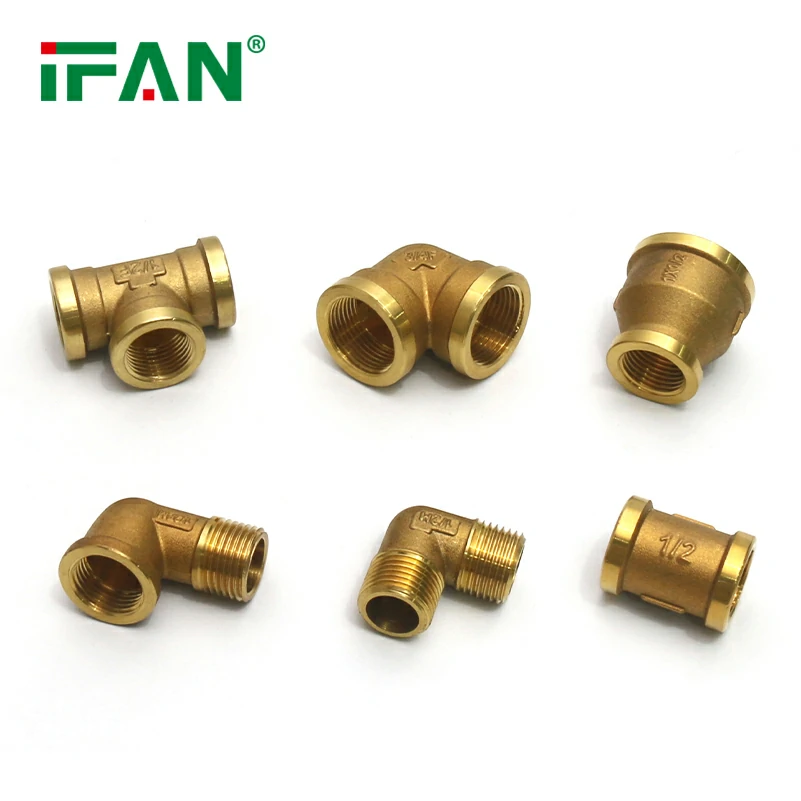
Brass fittings are plumbing components made from an alloy of copper and zinc. The combination of these metals creates a material that is strong, corrosion-resistant, and highly durable. Brass fittings are commonly used in both water and gas systems, as well as various other industrial applications. With their resistance to corrosion, high-pressure tolerance, and excellent sealing capabilities, brass fittings offer a practical solution for a range of needs.
The Durability of Brass Fittings
Durability is one of the primary reasons why brass fittings are so popular in water and gas systems. These fittings are built to last, often outlasting other materials like plastic or steel. Brass’s resistance to corrosion ensures that it won’t rust or degrade over time when exposed to water or harsh chemicals, which is especially important in environments that require long-term, consistent performance.
In high-pressure systems, brass fittings are capable of withstanding the stress without weakening or failing, providing a strong and stable connection. This makes them ideal for use in both residential plumbing and industrial gas systems where reliability is critical.
Flexibility in Applications
One of the standout features of brass fittings is their versatility across a wide range of applications. Brass can be used in both water and gas systems due to its ability to handle different pressures and temperatures. Additionally, brass fittings come in a variety of shapes and sizes, making them suitable for almost any installation, whether you’re connecting pipes in a plumbing system or installing gas lines in an industrial setting.
Brass fittings also offer excellent performance in both hot and cold environments. They are particularly well-suited for water systems exposed to fluctuating temperatures. Unlike plastic, which may crack under extreme heat or cold, brass fittings remain stable, ensuring consistent performance across varying environmental conditions.
Performance of Brass Fittings in Gas Systems
When it comes to gas systems, safety and efficiency are paramount. Brass fittings excel in providing a reliable, leak-resistant connection. The high tensile strength of brass ensures that gas lines are securely sealed, preventing dangerous leaks and maintaining the safety of the system. Whether it’s natural gas or propane, brass fittings are trusted for their excellent sealing and corrosion resistance, making them the preferred choice for gas pipelines.
In addition to their leak-resistant properties, brass fittings also perform well under high pressure. Gas systems often operate under considerable pressure, and brass fittings maintain their structural integrity even in these high-pressure conditions. This makes them an ideal solution for both residential and industrial gas installations.
Resistance to Corrosion
Brass fittings are highly resistant to corrosion, a significant factor when choosing materials for plumbing and gas systems. Water and gas systems are often exposed to moisture, chemicals, and other harsh elements that can degrade materials like steel or iron. Unlike these metals, brass fittings are resistant to rust and corrosion, ensuring a longer lifespan and reliable performance.
In water systems, where exposure to moisture is constant, brass fittings prevent leaks and potential contamination, keeping the water clean and safe. In gas systems, their resistance to corrosion ensures that the gas flow remains uninterrupted and that the fittings do not degrade over time.
Ease of Installation and Maintenance
Another advantage of brass fittings is their ease of installation. Brass fittings can be easily threaded or soldered, making them simple to work with during both new installations and repairs. The ease with which they can be installed reduces downtime and minimizes the risk of errors, especially when compared to other materials that may require more specialized tools.
In terms of maintenance, brass fittings require minimal attention. Their resistance to corrosion and wear ensures that they will last for years without the need for frequent repairs or replacements. The long lifespan of brass fittings ultimately reduces maintenance costs and makes them a more cost-effective choice in the long run.
Aesthetics of Brass Fittings
In addition to their functional benefits, brass fittings also offer aesthetic appeal. The warm, golden hue of brass can enhance the appearance of visible plumbing and gas installations. For those looking for a stylish yet durable solution for their systems, brass fittings provide the perfect balance of function and form.
Whether it’s a residential plumbing system or an industrial setup, brass fittings provide an attractive and professional look that complements any installation.
Cost-Effectiveness of Brass Fittings
While brass fittings may have a slightly higher initial cost compared to alternatives like plastic, their long-term performance justifies the price. Brass fittings are built to last, reducing the need for frequent repairs and replacements. Over time, the durability and reliability of brass fittings save money on maintenance costs, making them a smart investment for both residential and commercial systems.
Common Applications of Brass Fittings
- Water Supply Systems: Brass fittings are commonly used in plumbing for both residential and commercial buildings. Their resistance to corrosion and long-lasting performance makes them ideal for water distribution systems.
- Gas Distribution: For gas pipelines, brass fittings provide a safe, leak-proof solution. Their strength and ability to perform under high pressure make them an essential component in gas systems.
- Industrial Systems: In industries where harsh chemicals or extreme temperatures are present, brass fittings offer a reliable and versatile option for connecting pipes and hoses.
- Heating Systems: In heating systems that use both water and gas, brass fittings offer stability and performance, ensuring efficient operation and safety.
Conclusion
Brass fittings are a vital component in various systems, offering durability, flexibility, and superior performance. Their ability to withstand high pressure, resist corrosion, and function effectively under extreme temperatures makes them the go-to choice for both residential and industrial applications. Whether for water systems, gas lines, or industrial installations, brass fittings provide the reliability and longevity needed to ensure smooth operation and minimal maintenance.
FAQs
- What are brass fittings made of?
- Brass fittings are made from an alloy of copper and zinc, offering strength, corrosion resistance, and durability.
- Can brass fittings be used for both water and gas systems?
- Yes, brass fittings are suitable for both water and gas systems due to their strength, leak-proof capabilities, and resistance to corrosion.
- Are brass fittings resistant to corrosion?
- Yes, brass fittings are highly resistant to corrosion, making them ideal for water and gas systems that are exposed to moisture and harsh conditions.
- How long do brass fittings last?
- Brass fittings are known for their long lifespan, often lasting for decades with minimal maintenance or degradation.
- Can brass fittings handle high-pressure systems?
- Yes, brass fittings can withstand high-pressure conditions, making them ideal for use in both water and gas systems that require reliable performance under pressure.