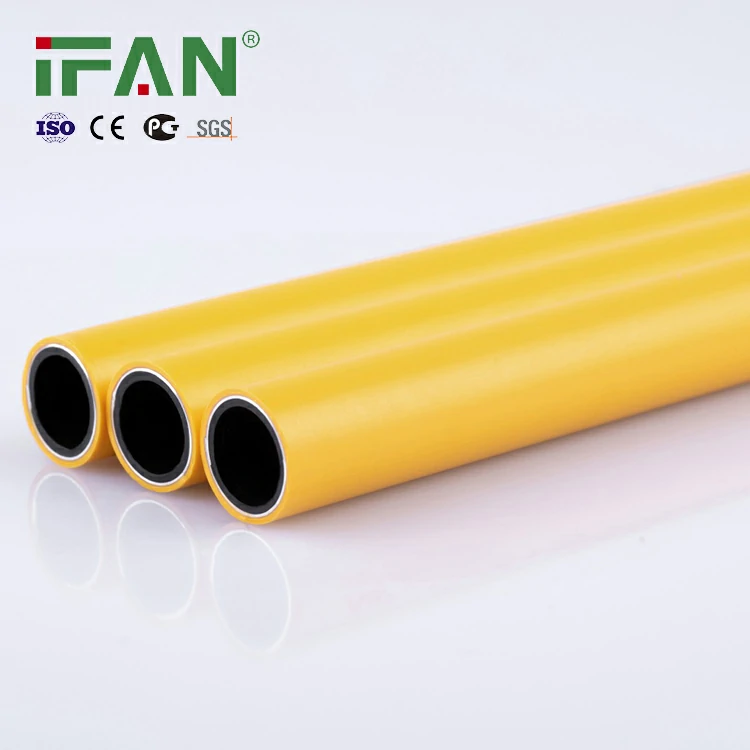
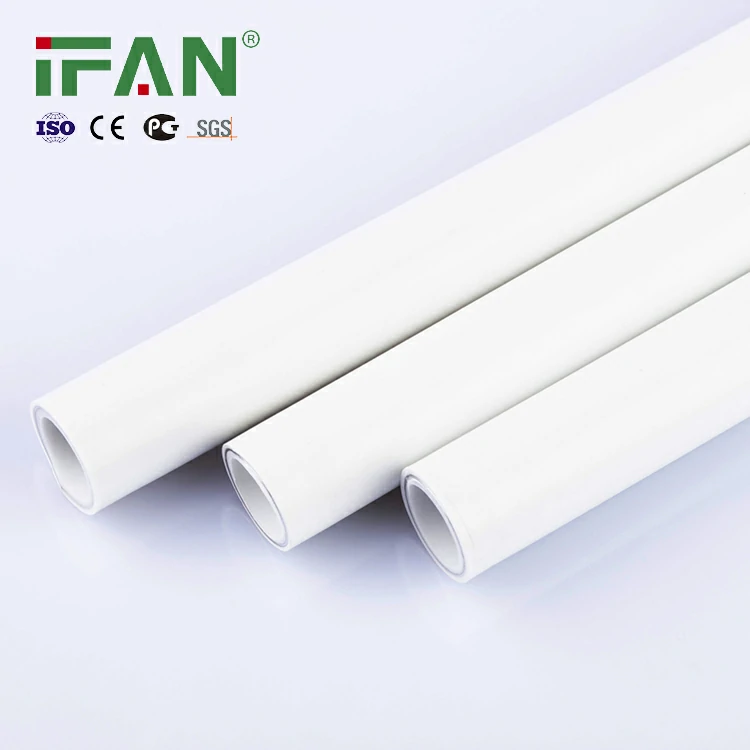
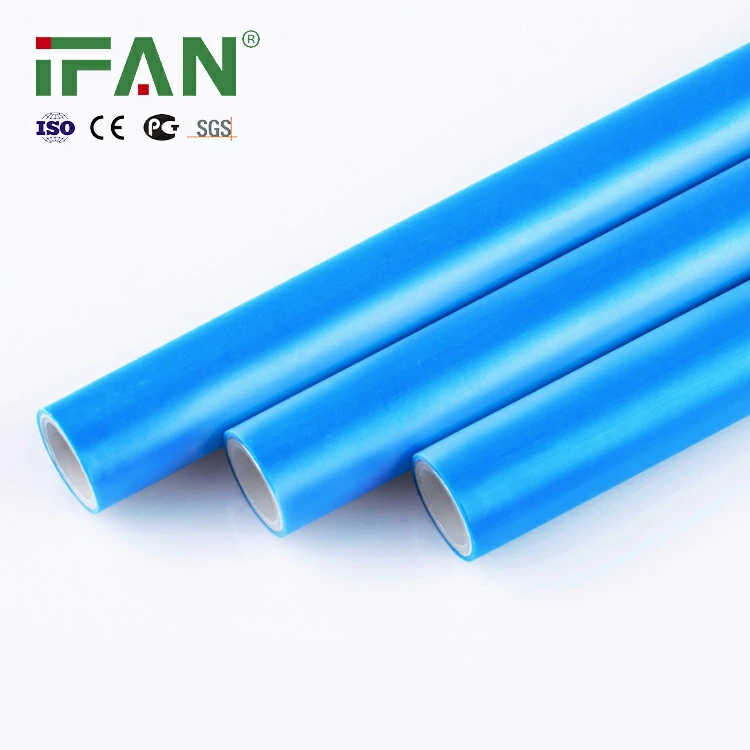
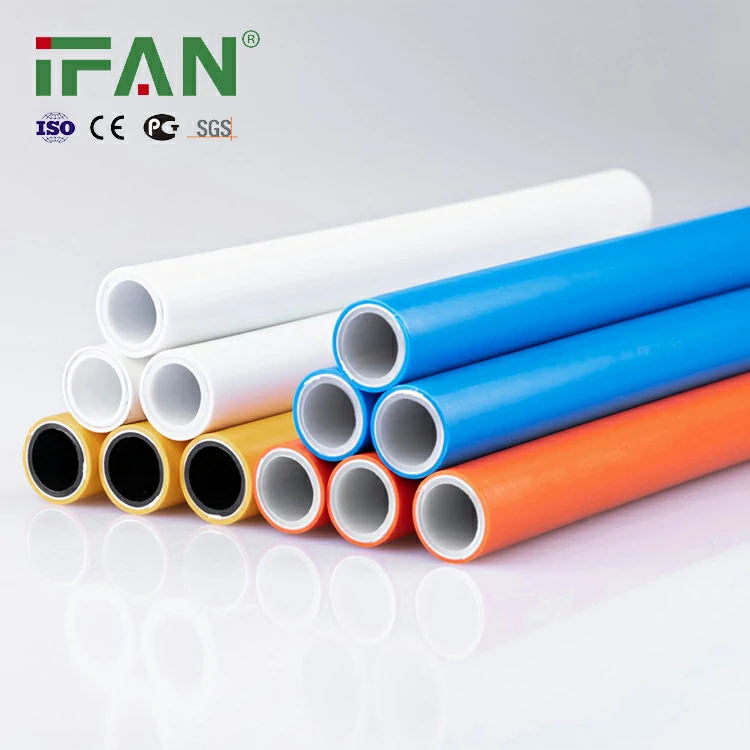
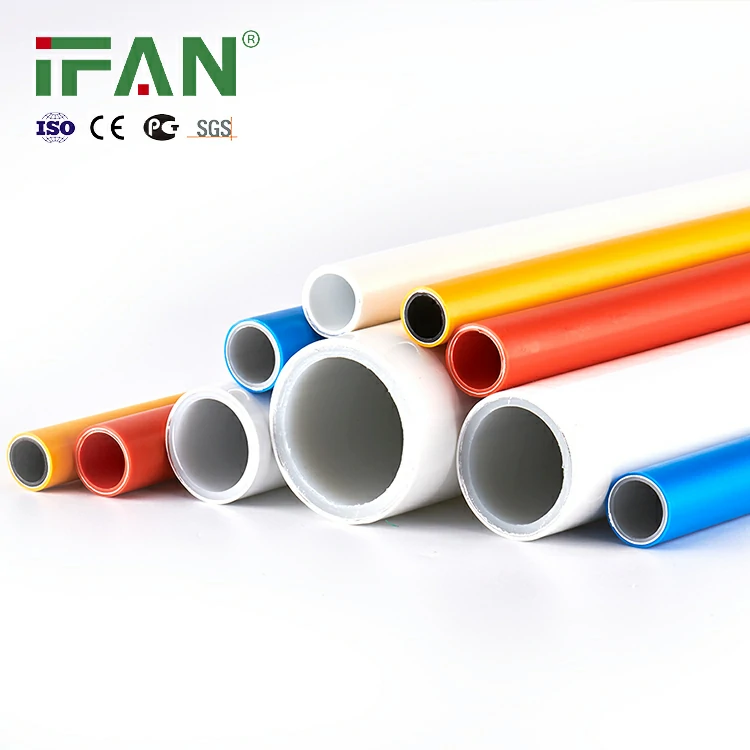
IFAN factory 30+ years manufacture experience support color /size customization support free sample.Welcome to consult for catalog and free samples.This is our Facebook Website:www.facebook.com,Click to watch IFAN’s product video.Compared with Tomex products, our IFAN products from quality to price are your best choice, welcome to buy!
Exploring the Advantages of Brass Fittings for Water and Gas Systems
When it comes to plumbing and gas systems, the choice of materials for fittings is critical to ensuring long-term reliability, safety, and efficiency. Brass fittings have long been a preferred solution due to their unique properties that enhance the performance of both water and gas systems. In this article, we will explore the many advantages of using brass fittings in water and gas applications, highlighting their durability, resistance to corrosion, ease of installation, and suitability for a variety of environments.
What Are Brass Fittings?
Brass fittings are components made from an alloy of copper and zinc, with sometimes small amounts of other metals such as lead or tin. This combination creates a material that is strong, durable, and resistant to corrosion. Brass fittings are used in various applications, from water supply systems to gas pipelines, due to their ability to withstand high pressures, harsh chemicals, and extreme temperatures.
Durability and Longevity of Brass Fittings
One of the primary reasons for using brass fittings in water and gas systems is their remarkable durability. Brass is a strong material that can handle high-pressure applications without warping or failing. This makes it ideal for both water and gas distribution systems, where reliability is essential.
Unlike other materials like plastic or steel, brass fittings are less prone to damage from physical impacts, making them perfect for systems that are exposed to mechanical stress. In environments where materials are subject to vibrations, physical strain, or external force, brass offers superior performance, lasting much longer than many alternatives.
Resistance to Corrosion
Another major benefit of brass fittings is their excellent resistance to corrosion, especially in water and gas applications. Water pipes and gas lines are frequently exposed to moisture, which can cause rust and degradation in other materials like steel. Brass fittings, on the other hand, are highly resistant to corrosion, ensuring that the system remains intact and fully functional over time.
This corrosion resistance is crucial for systems exposed to water, where rust or corrosion can lead to leaks, contamination, and overall system failure. Brass does not rust in the same way iron or steel does, making it ideal for potable water systems as well as industrial gas lines.
Resistance to Extreme Temperatures
In many water and gas systems, temperatures can fluctuate dramatically, ranging from freezing cold in the winter to high heat in the summer. Brass fittings excel in such environments because they can withstand a wide range of temperatures. Whether you’re dealing with hot water systems or cold gas lines, brass fittings maintain their integrity in extreme temperature conditions.
In contrast to plastic fittings, which can become brittle in freezing conditions or deform under heat, brass remains stable, ensuring a consistent and reliable connection across temperature changes. This thermal stability makes brass fittings a great choice for systems that are subjected to rapid temperature fluctuations.
Compatibility with Water and Gas Systems
One of the reasons brass fittings are so widely used is their compatibility with both water and gas systems. Brass fittings are ideal for potable water systems due to their non-toxic properties, which make them safe for drinking water. Unlike some metals, brass does not leach harmful substances into the water, ensuring safe consumption.
In gas systems, brass fittings offer a secure and leak-resistant connection. Their excellent sealing properties make them ideal for preventing leaks in gas pipelines, which is crucial for safety and efficiency. Gas fittings must be reliable, and brass fittings are the go-to choice for ensuring a leak-free and safe system.
Ease of Installation
Another advantage of brass fittings is their ease of installation. Unlike some other materials, brass is relatively easy to work with. It can be easily threaded or soldered, making the installation process quicker and more efficient. Brass fittings are often preferred by professionals for their ability to be securely connected without the need for complicated tools or procedures.
Whether installing a new water system, upgrading a gas pipeline, or making repairs to existing infrastructure, brass fittings allow for fast and reliable installations that minimize downtime and reduce the risk of errors.
Aesthetics and Versatility
In addition to their technical advantages, brass fittings also offer a polished and professional appearance. Many homeowners and businesses prefer the classic, shiny look of brass for visible fittings, as they complement modern and traditional plumbing systems alike. The aesthetic quality of brass adds value to any project, particularly in visible areas where the fittings may be exposed.
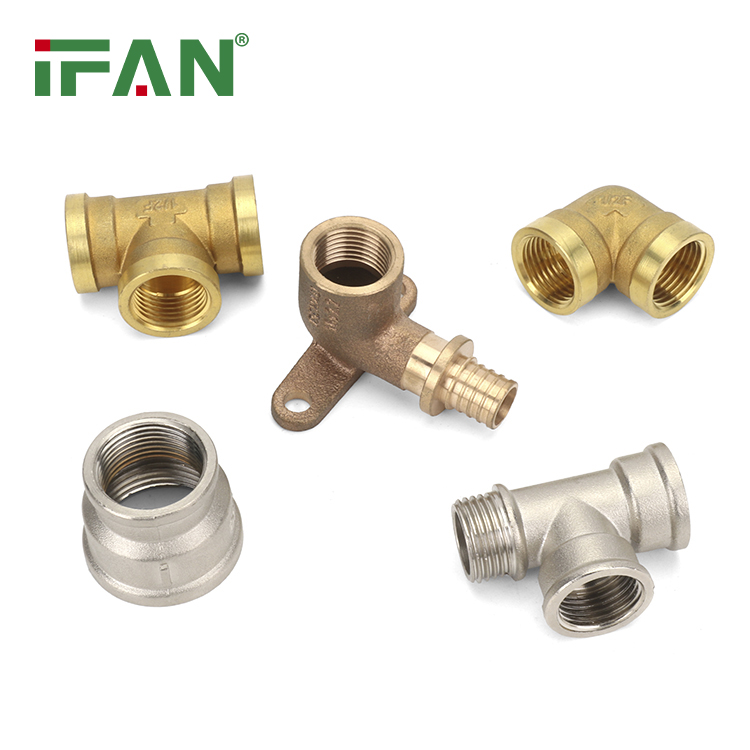
Furthermore, brass fittings come in a wide variety of shapes and sizes, offering flexibility to accommodate different system requirements. Whether you need an elbow, a tee, a coupling, or a valve, brass fittings can be customized to fit a broad range of applications.
Cost-Effectiveness of Brass Fittings
While brass fittings may come at a slightly higher upfront cost compared to plastic alternatives, their long-term durability, corrosion resistance, and performance make them a cost-effective choice in the long run. Since brass fittings have a longer lifespan, they require less maintenance and replacement, ultimately saving you money on repairs and system replacements.
Investing in high-quality brass fittings means fewer failures, less downtime, and fewer costly maintenance efforts over time. Their longevity and reliability far outweigh the initial investment, making them an excellent choice for both residential and commercial applications.
When to Choose Brass Fittings
- Water Distribution Systems: If you need a reliable and long-lasting solution for your plumbing, brass fittings are the top choice. Their resistance to corrosion and compatibility with potable water makes them a preferred material for water supply systems.
- Gas Lines: Brass fittings are highly effective in gas distribution systems due to their secure, leak-proof connections and ability to withstand high pressures.
- Industrial Applications: In industries that require durable, corrosion-resistant fittings to handle aggressive chemicals or extreme temperatures, brass fittings are a perfect choice.
Conclusion
Brass fittings offer numerous advantages when used in water and gas systems, including durability, corrosion resistance, temperature stability, and ease of installation. Their versatility, aesthetic appeal, and long-lasting performance make them a preferred choice for both residential and industrial applications. Despite a slightly higher initial cost, the benefits they provide in terms of reliability and long-term cost savings make them a smart investment for your next plumbing or gas project.
Frequently Asked Questions (FAQ)
- What are brass fittings used for?
- Brass fittings are commonly used in water, gas, and industrial systems due to their durability, corrosion resistance, and compatibility with high-pressure and high-temperature environments.
- Are brass fittings suitable for potable water?
- Yes, brass fittings are safe for use in potable water systems. They do not leach harmful substances, making them ideal for drinking water applications.
- How long do brass fittings last?
- Brass fittings can last for decades when properly installed and maintained, offering long-term reliability and reducing the need for frequent repairs or replacements.
- Can brass fittings be used for both water and gas systems?
- Yes, brass fittings are ideal for both water and gas systems. They provide leak-proof, secure connections in both applications.
- Are brass fittings easy to install?
- Yes, brass fittings are relatively easy to install and can be threaded or soldered with standard tools, making the installation process efficient and straightforward.
When it comes to plumbing and gas systems, the choice of materials for fittings is critical to ensuring long-term reliability, safety, and efficiency. Brass fittings have long been a preferred solution due to their unique properties that enhance the performance of both water and gas systems. In this article, we will explore the many advantages of using brass fittings in water and gas applications, highlighting their durability, resistance to corrosion, ease of installation, and suitability for a variety of environments.
What Are Brass Fittings?
Brass fittings are components made from an alloy of copper and zinc, with sometimes small amounts of other metals such as lead or tin. This combination creates a material that is strong, durable, and resistant to corrosion. Brass fittings are used in various applications, from water supply systems to gas pipelines, due to their ability to withstand high pressures, harsh chemicals, and extreme temperatures.
Durability and Longevity of Brass Fittings
One of the primary reasons for using brass fittings in water and gas systems is their remarkable durability. Brass is a strong material that can handle high-pressure applications without warping or failing. This makes it ideal for both water and gas distribution systems, where reliability is essential.
Unlike other materials like plastic or steel, brass fittings are less prone to damage from physical impacts, making them perfect for systems that are exposed to mechanical stress. In environments where materials are subject to vibrations, physical strain, or external force, brass offers superior performance, lasting much longer than many alternatives.
Resistance to Corrosion
Another major benefit of brass fittings is their excellent resistance to corrosion, especially in water and gas applications. Water pipes and gas lines are frequently exposed to moisture, which can cause rust and degradation in other materials like steel. Brass fittings, on the other hand, are highly resistant to corrosion, ensuring that the system remains intact and fully functional over time.
This corrosion resistance is crucial for systems exposed to water, where rust or corrosion can lead to leaks, contamination, and overall system failure. Brass does not rust in the same way iron or steel does, making it ideal for potable water systems as well as industrial gas lines.
Resistance to Extreme Temperatures
In many water and gas systems, temperatures can fluctuate dramatically, ranging from freezing cold in the winter to high heat in the summer. Brass fittings excel in such environments because they can withstand a wide range of temperatures. Whether you’re dealing with hot water systems or cold gas lines, brass fittings maintain their integrity in extreme temperature conditions.
In contrast to plastic fittings, which can become brittle in freezing conditions or deform under heat, brass remains stable, ensuring a consistent and reliable connection across temperature changes. This thermal stability makes brass fittings a great choice for systems that are subjected to rapid temperature fluctuations.
Compatibility with Water and Gas Systems
One of the reasons brass fittings are so widely used is their compatibility with both water and gas systems. Brass fittings are ideal for potable water systems due to their non-toxic properties, which make them safe for drinking water. Unlike some metals, brass does not leach harmful substances into the water, ensuring safe consumption.
In gas systems, brass fittings offer a secure and leak-resistant connection. Their excellent sealing properties make them ideal for preventing leaks in gas pipelines, which is crucial for safety and efficiency. Gas fittings must be reliable, and brass fittings are the go-to choice for ensuring a leak-free and safe system.
Ease of Installation
Another advantage of brass fittings is their ease of installation. Unlike some other materials, brass is relatively easy to work with. It can be easily threaded or soldered, making the installation process quicker and more efficient. Brass fittings are often preferred by professionals for their ability to be securely connected without the need for complicated tools or procedures.
Whether installing a new water system, upgrading a gas pipeline, or making repairs to existing infrastructure, brass fittings allow for fast and reliable installations that minimize downtime and reduce the risk of errors.
Aesthetics and Versatility
In addition to their technical advantages, brass fittings also offer a polished and professional appearance. Many homeowners and businesses prefer the classic, shiny look of brass for visible fittings, as they complement modern and traditional plumbing systems alike. The aesthetic quality of brass adds value to any project, particularly in visible areas where the fittings may be exposed.
Furthermore, brass fittings come in a wide variety of shapes and sizes, offering flexibility to accommodate different system requirements. Whether you need an elbow, a tee, a coupling, or a valve, brass fittings can be customized to fit a broad range of applications.
Cost-Effectiveness of Brass Fittings
While brass fittings may come at a slightly higher upfront cost compared to plastic alternatives, their long-term durability, corrosion resistance, and performance make them a cost-effective choice in the long run. Since brass fittings have a longer lifespan, they require less maintenance and replacement, ultimately saving you money on repairs and system replacements.
Investing in high-quality brass fittings means fewer failures, less downtime, and fewer costly maintenance efforts over time. Their longevity and reliability far outweigh the initial investment, making them an excellent choice for both residential and commercial applications.
When to Choose Brass Fittings
- Water Distribution Systems: If you need a reliable and long-lasting solution for your plumbing, brass fittings are the top choice. Their resistance to corrosion and compatibility with potable water makes them a preferred material for water supply systems.
- Gas Lines: Brass fittings are highly effective in gas distribution systems due to their secure, leak-proof connections and ability to withstand high pressures.
- Industrial Applications: In industries that require durable, corrosion-resistant fittings to handle aggressive chemicals or extreme temperatures, brass fittings are a perfect choice.
Conclusion
Brass fittings offer numerous advantages when used in water and gas systems, including durability, corrosion resistance, temperature stability, and ease of installation. Their versatility, aesthetic appeal, and long-lasting performance make them a preferred choice for both residential and industrial applications. Despite a slightly higher initial cost, the benefits they provide in terms of reliability and long-term cost savings make them a smart investment for your next plumbing or gas project.
Frequently Asked Questions (FAQ)
- What are brass fittings used for?
- Brass fittings are commonly used in water, gas, and industrial systems due to their durability, corrosion resistance, and compatibility with high-pressure and high-temperature environments.
- Are brass fittings suitable for potable water?
- Yes, brass fittings are safe for use in potable water systems. They do not leach harmful substances, making them ideal for drinking water applications.
- How long do brass fittings last?
- Brass fittings can last for decades when properly installed and maintained, offering long-term reliability and reducing the need for frequent repairs or replacements.
- Can brass fittings be used for both water and gas systems?
- Yes, brass fittings are ideal for both water and gas systems. They provide leak-proof, secure connections in both applications.
- Are brass fittings easy to install?
- Yes, brass fittings are relatively easy to install and can be threaded or soldered with standard tools, making the installation process efficient and straightforward.