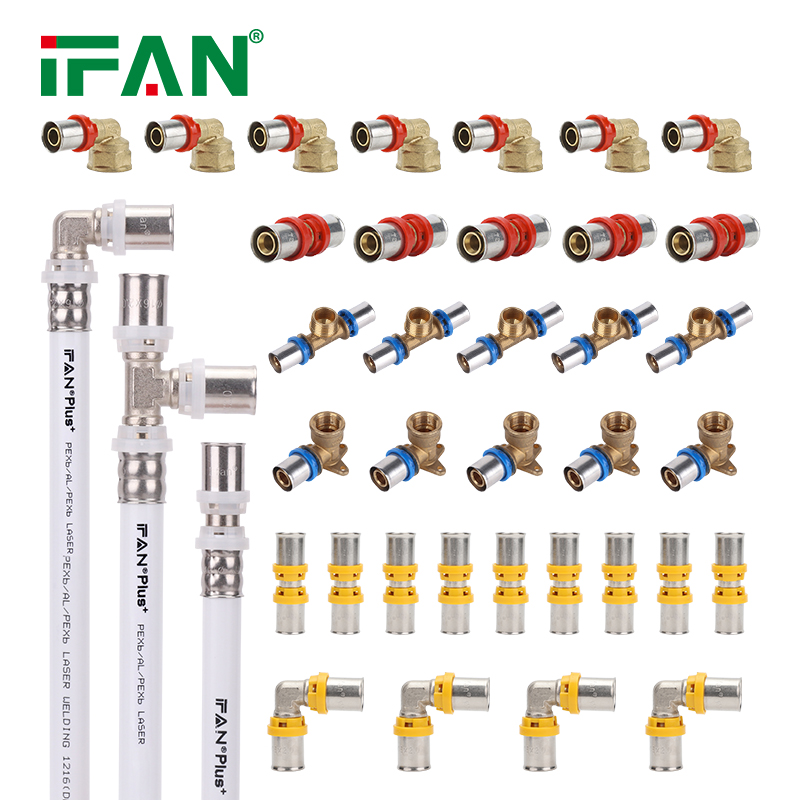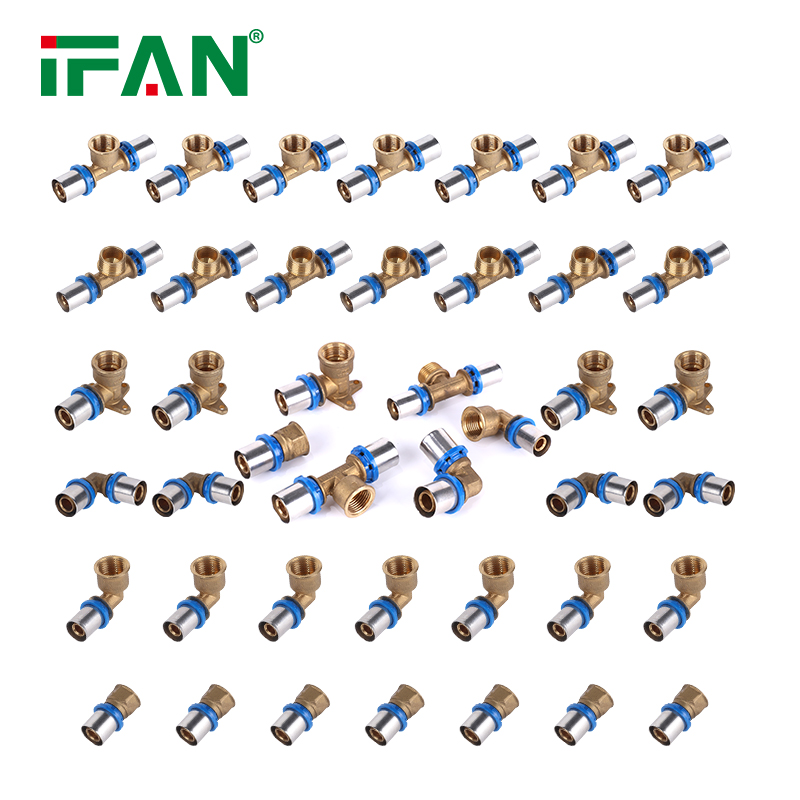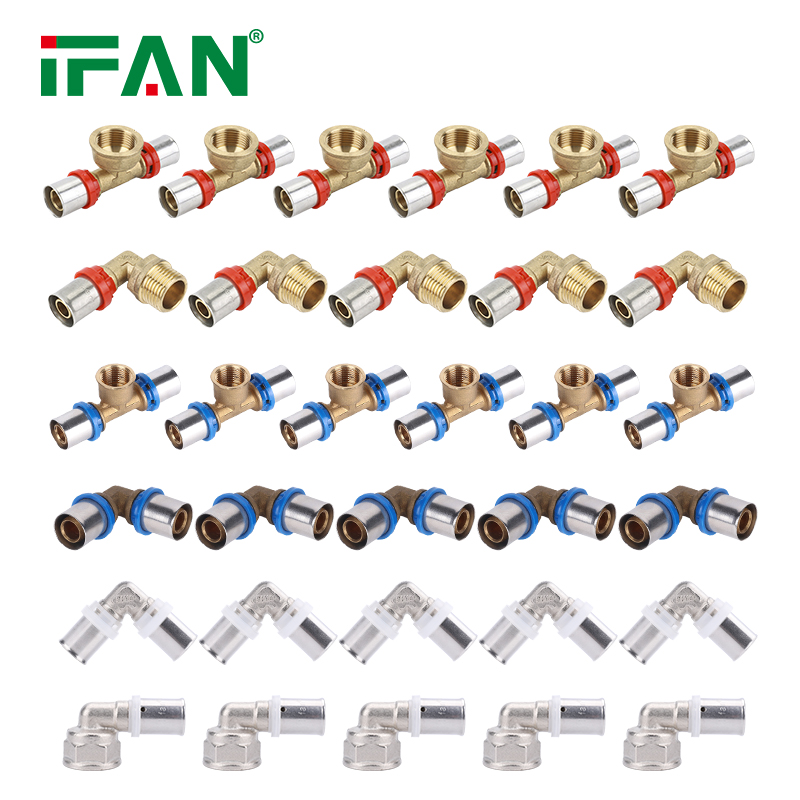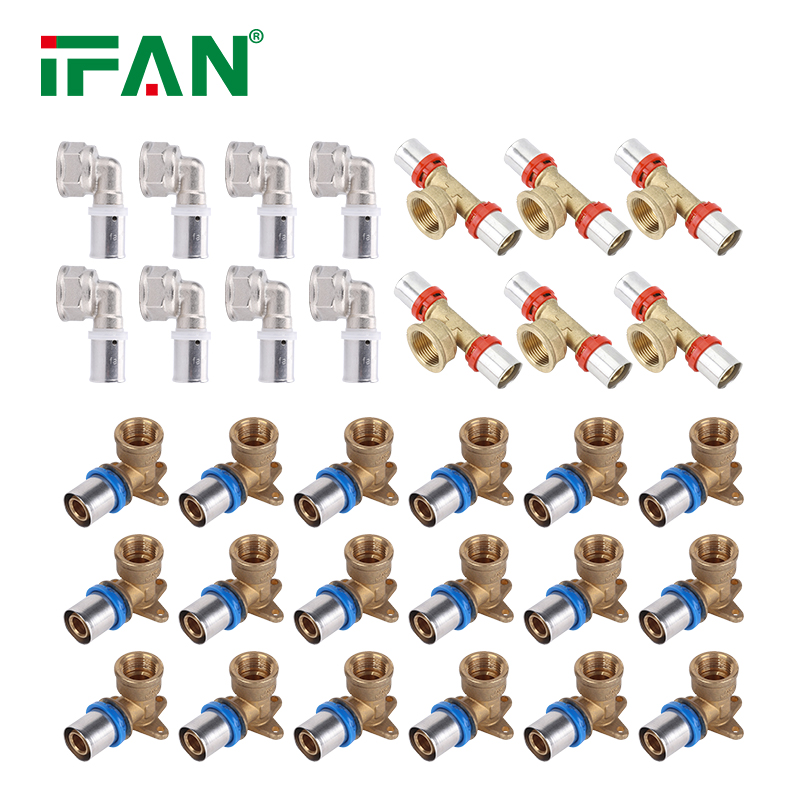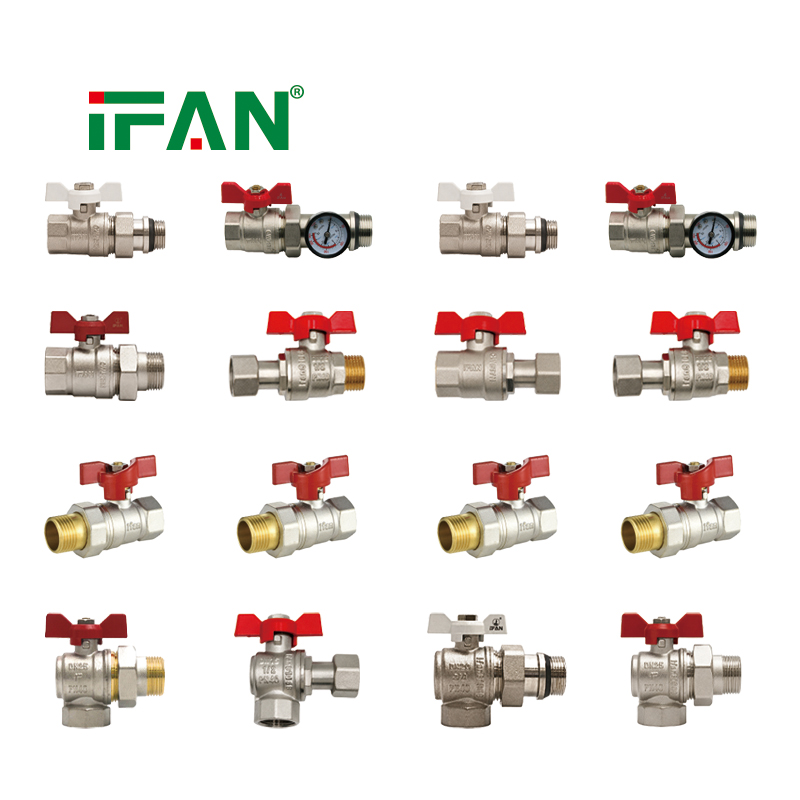
IFAN factory 30+ years manufacture experience support color /size customization support free sample.Welcome to consult for catalog and free samples.This is our Facebook Website:www.facebook.com,Click to watch IFAN’s product video.Compared with Tomex products, our IFAN products from quality to price are your best choice, welcome to buy!
Brass fittings play a crucial role in various plumbing, gas, and industrial systems. These components ensure reliable connections between pipes and other system parts, providing durability and resistance to corrosion. However, the performance of brass fittings is heavily influenced by proper installation techniques. Whether you’re working with a water supply, heating system, or gas pipeline, following the correct installation procedures ensures that your system remains safe, efficient, and long-lasting. In this article, we will explore the importance of proper installation techniques for brass fittings, common mistakes to avoid, and how to ensure the best results.
Understanding Brass Fittings
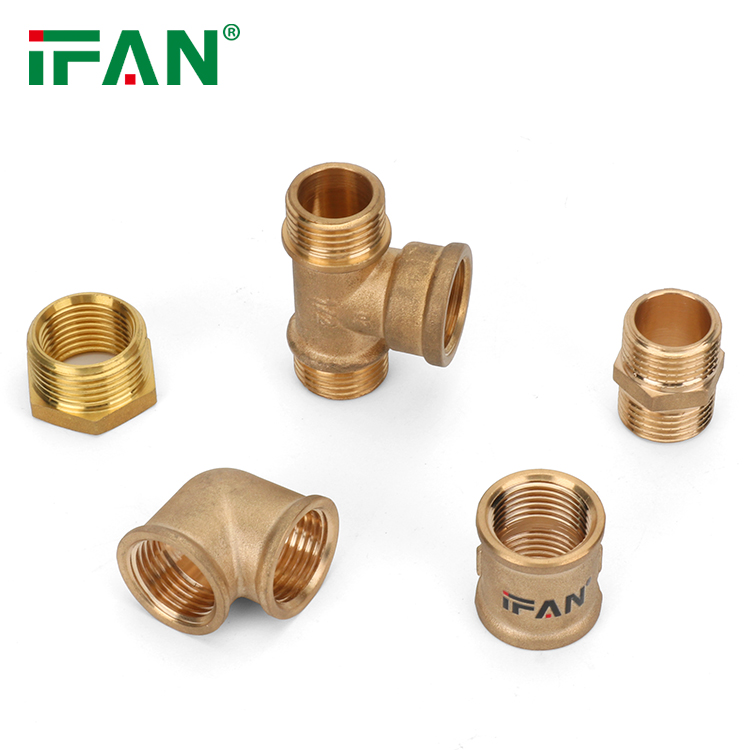
Brass fittings are made from an alloy of copper and zinc, a combination that provides strength, corrosion resistance, and thermal conductivity. These fittings are used in plumbing systems, industrial piping, gas systems, and HVAC systems. They are often preferred over materials like steel or plastic due to their durability and ability to perform under high-pressure and high-temperature conditions.
Proper installation of brass fittings is critical for maintaining the integrity of the system and preventing costly repairs or leaks. This ensures that the fittings serve their purpose effectively, offering a secure and leak-proof connection.
Why Proper Installation Matters for Brass Fittings
1. Leak Prevention
One of the most important reasons to follow proper installation techniques for brass fittings is to prevent leaks. A poorly installed fitting can cause water or gas leaks, leading to costly damage and safety hazards. Leaks in a water system may result in structural damage or mold growth, while leaks in a gas system can lead to dangerous situations like fire or explosion. Proper installation ensures that the fittings are securely connected, maintaining their leak-proof characteristics.
2. Enhanced System Performance
When brass fittings are installed correctly, they perform at their optimal level. Correct installation maintains the structural integrity of the system, ensuring that the flow of water, gas, or other materials is consistent and efficient. Incorrect installation can result in blockages, reduced flow, or increased pressure, which can put undue stress on other components and reduce the system’s overall efficiency.
3. Extended Lifespan of Fittings
Brass fittings are known for their durability, but their lifespan can be significantly shortened if not installed properly. Over-tightening, under-tightening, or using incompatible materials can cause stress and wear on the fittings, leading to corrosion or failure over time. By following proper installation techniques, the fittings will last longer, reducing the need for frequent replacements and lowering maintenance costs.
4. Prevention of Corrosion and Damage
Improper installation can cause stress and friction on brass fittings, leading to the accumulation of debris and the eventual breakdown of the material. Additionally, using the wrong sealing materials or not ensuring proper alignment can promote corrosion. Properly installed brass fittings reduce the likelihood of such damage, ensuring the system remains intact and safe to use for an extended period.
Key Installation Techniques for Brass Fittings
1. Use the Correct Tools
To install brass fittings correctly, you must use the right tools. Wrenches and pipe cutters should be of the correct size and type to avoid damaging the fittings. Over-tightening with the wrong wrench can deform or crack the fitting, while an improperly sized cutter may leave rough edges that can damage the sealing surfaces. Always use tools that are specifically designed for brass fittings to ensure a clean and secure installation.
2. Inspect the Fittings Before Installation
Before installing any brass fittings, it’s essential to inspect them for any signs of damage, such as cracks, burrs, or corrosion. Damaged fittings should not be installed, as they may fail prematurely. Additionally, ensure that the threads on the fittings and pipes are clean and free from dirt or debris. This ensures a tight seal and helps to prevent leaks.
3. Avoid Over-Tightening
Over-tightening brass fittings is a common mistake that can cause damage and lead to leaks. While it’s important to tighten fittings securely, excessive force can cause the brass to deform or crack, compromising the integrity of the connection. Follow the manufacturer’s instructions for the appropriate torque and use a torque wrench to avoid over-tightening.
4. Use Thread Sealant or Teflon Tape
Using a high-quality thread sealant or Teflon tape is essential when installing brass fittings. This helps create a tight seal and prevents leaks. Teflon tape should be wrapped around the male threads of the fitting, and thread sealant can be applied to both the male and female threads. Be careful not to over-apply the sealant, as excess material can cause clogging or contamination in the system.
5. Ensure Proper Alignment
Proper alignment of the brass fittings is crucial to avoid unnecessary stress on the components. Misaligned fittings can cause uneven pressure distribution and lead to leaks or premature failure. When installing brass fittings, take the time to carefully align the pipes and fittings before tightening them. This ensures a secure and stable connection.
6. Clean the Fitting and Pipe Surfaces
Before installing brass fittings, make sure the surfaces of the pipes and fittings are clean. Any dirt, oil, or debris on the surfaces can prevent a proper seal and increase the risk of leaks. Use a clean cloth or a wire brush to remove any dirt or rust from the pipe and fitting before assembly.
Common Mistakes to Avoid When Installing Brass Fittings
1. Using the Wrong Type of Fitting
Using the wrong type of brass fitting for the application can lead to system failure. Ensure that the fitting is designed for the specific material, temperature, and pressure requirements of the system. Always verify compatibility before installation.
2. Failing to Lubricate Threads
Lubricating the threads of brass fittings with appropriate lubricants helps to reduce friction during installation, making it easier to achieve a tight, secure fit. Failing to lubricate threads can result in excessive force during tightening, which could lead to fitting damage or leaks.
3. Not Using the Right Sealant
Using the wrong type or amount of sealant can cause problems in the system. Some sealants are not suitable for use with brass or may cause damage to the fitting. Always use a high-quality sealant that is compatible with brass fittings and follow the manufacturer’s guidelines for application.
4. Improper Handling of Fittings
Brass is a soft metal, and improper handling of brass fittings can cause damage such as dents or cracks. Always handle fittings with care, and avoid dropping or applying excessive force.
Conclusion
Proper installation techniques for brass fittings are essential for ensuring the longevity, performance, and safety of plumbing, gas, and industrial systems. By following best practices such as using the right tools, inspecting fittings, and ensuring proper alignment and sealant application, you can achieve secure and leak-free connections. Avoiding common mistakes will help you maintain an efficient, reliable system that lasts for years to come.
FAQs
- What are brass fittings made of?
- Brass fittings are made from an alloy of copper and zinc, offering strength, durability, and resistance to corrosion.
- Why is proper installation of brass fittings important?
- Proper installation ensures leak prevention, system efficiency, extended lifespan of fittings, and prevents corrosion or damage.
- What tools do I need to install brass fittings?
- You need wrenches, pipe cutters, torque wrenches, and thread sealant or Teflon tape to install brass fittings correctly.
- Can I reuse brass fittings after disassembly?
- It is generally not recommended to reuse brass fittings, as the threads and sealing surfaces may become worn or damaged during removal.
- How do I avoid leaks with brass fittings?
- Ensure proper installation by using the correct tools, aligning the fittings properly, applying the right amount of thread sealant, and avoiding over-tightening.