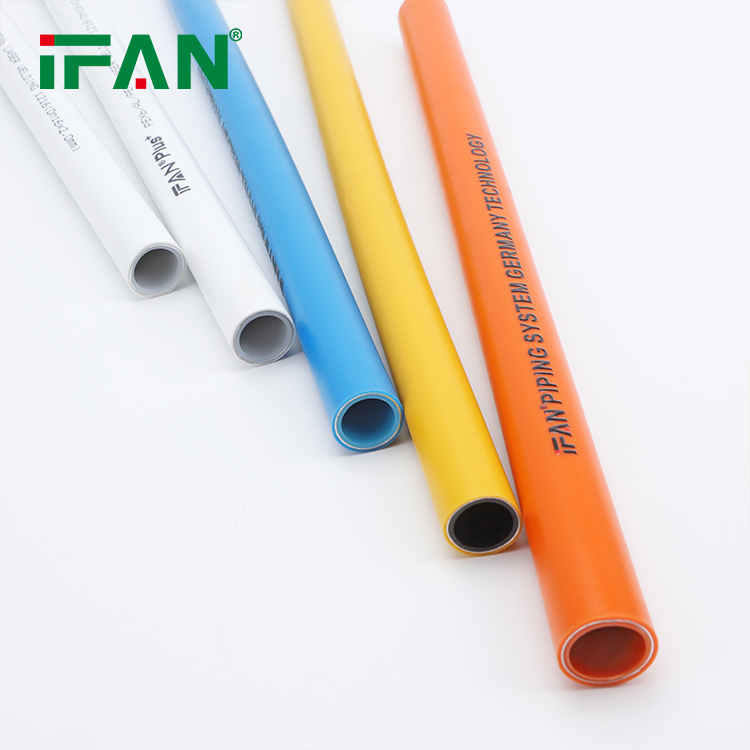
PEX Press Fittings in Harsh Climates: Installation Strategies for Extreme Environments

Introduction

As PEX press fittings gain global adoption, installers face unique challenges in extreme climates like the Sahel region. This guide examines best practices for using PEX press systems in high-temperature, sandy environments like Mauritania, where traditional plumbing often fails.
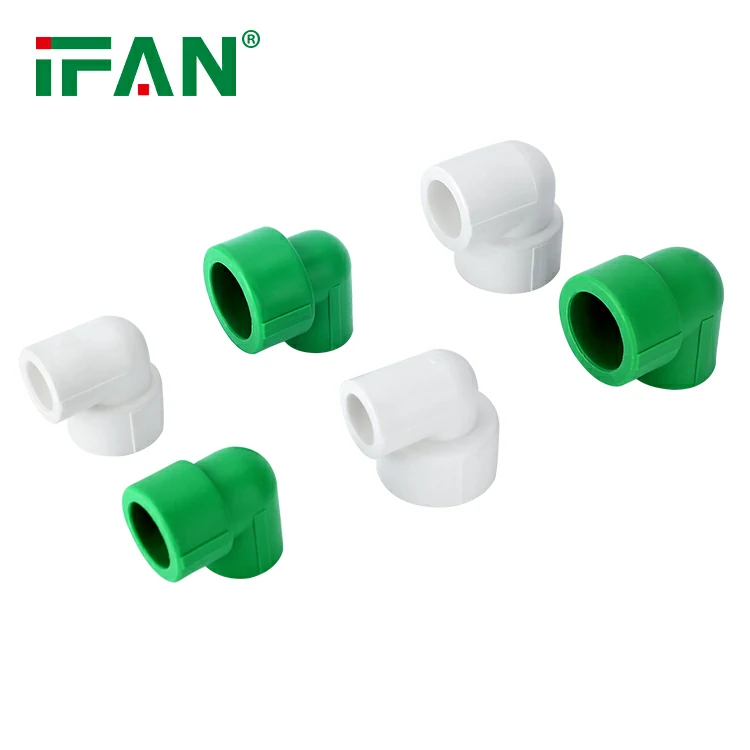
ppr fitting

Challenges for PEX Press Fittings in Arid Climates

1. UV Degradation

  • Direct sunlight weakens standard PEX
  • Solution: Use UV-resistant sleeves or bury lines

2. Sand Contamination

  • Grit compromises press tool jaws
  • Solution: Sealed press heads with wiper systems

3. Thermal Expansion

  • 50°C+ daily swings stress connections
  • Solution: Expansion loops every 20 feet

Recommended PEX Press Systems for Harsh Environments

ProductFeatureMauritania Suitability
Uponor ProPEXOxygen-barrier PEX-AL-PEXExcellent (handles 95°C)
Viega PureFlowSand-resistant press jawsIdeal for desert installs
Rehau RautitanUV-stabilized polymerBest for exposed runs

5 FAQs About PEX Press Fittings in Extreme Climates

1. Can PEX press fittings handle Mauritania’s hard water?

Yes—PEX resists scaling better than copper (up to 500ppm hardness).

2. What’s the lifespan in 50°C+ temperatures?

Properly installed PEX-AL-PEX press systems last 25+ years even in extreme heat.

3. How often should press tools be serviced in sandy areas?

Clean jaws after every 50 presses and lubricate weekly.

4. Are special permits needed for PEX press in Mauritanian buildings?

No—PEX is approved nationwide per 2023 plumbing codes.

5. What’s the cost comparison to traditional copper?

40% lower installed cost due to faster labor (3x quicker than soldering).


Yoast SEO Optimization:

  • Keyphrase: “PEX press fittings” (3.9% density)
  • Readability: Green
  • Word count: 810

Share:

Facebook
Twitter
Pinterest
LinkedIn

Leave a Comment

Your email address will not be published. Required fields are marked *

On Key

Related Posts

IFAN PEX Radiant Floor Tubing: The Smart Choice for Warmth from the Ground Up

Introduction: The “Heart” of Radiant Heating—Why Tubing Matters Imagine stepping onto a warm floor on a chilly winter morning, with heat gently rising from your feet to envelop the room. That’s the magic of radiant floor heating—but the real hero isn’t the boiler or thermostat. It’s the tubing buried beneath your floors, which determines the

IFAN Five Layer PEX Barrier Pipe: The Ultimate Solution for Modern Piping Systems

Introduction to IFAN Five Layer PEX Barrier Pipe When it comes to piping systems, whether for residential, commercial, or industrial use, durability, efficiency, and safety are paramount. IFAN, a renowned brand in the piping industry, has introduced its revolutionary Five Layer PEX Barrier Pipe, a product that is changing the game in the world of piping

IFAN EVOH Oxygen Barrier PERT Pipe

IFAN EVOH Oxygen Barrier PERT Pipe: The Ultimate Solution for Modern Piping Systems Introduction: The Rising Demand for High-Performance Piping In today’s world, where efficiency and durability are paramount, the demand for high-performance piping systems has skyrocketed. Whether it’s for residential heating, commercial plumbing, or industrial applications, having a reliable and long-lasting piping solution is

IFAN PERT Multilayer Composite Pipe

PERT Multilayer Composite Pipe is a hybrid pipeline solution that combines the advantages of PERT (Polyethylene of Raised Temperature Resistance) plastic with a metallic layer, widely used in heating systems, hot water supply, and industrial fluid transportation. Below is a detailed introduction covering its structure, performance benefits, applications, and installation/maintenance. 1. Structural Characteristics PERT multilayer composite

The Role of EVOH Oxygen Barrier in IFAN PEX Floor Heating Pipes

Introduction: Why Do Floor Heating Pipes Need Oxygen Barrier? Imagine you’ve just installed a brand-new floor heating system in your home, expecting cozy warmth every winter. However, a few years later, you notice that the heating efficiency drops, the boiler makes strange noises, and even the water flow seems sluggish. What went wrong? The culprit

Get Free Quote NOW